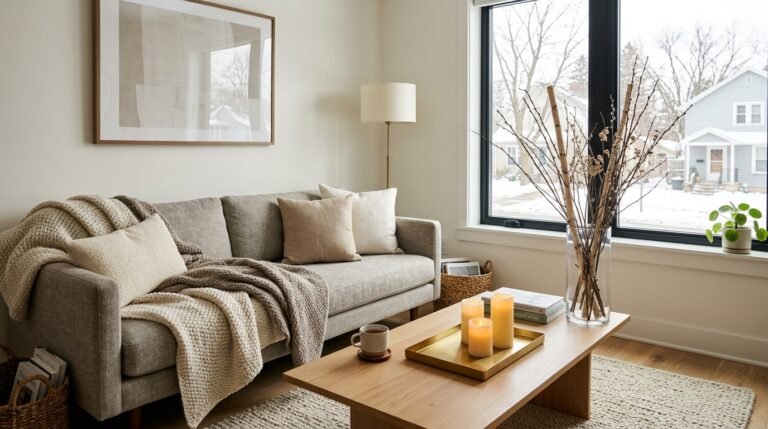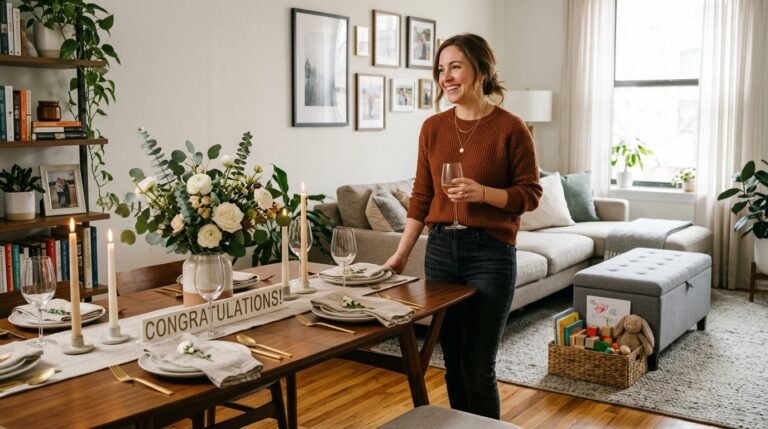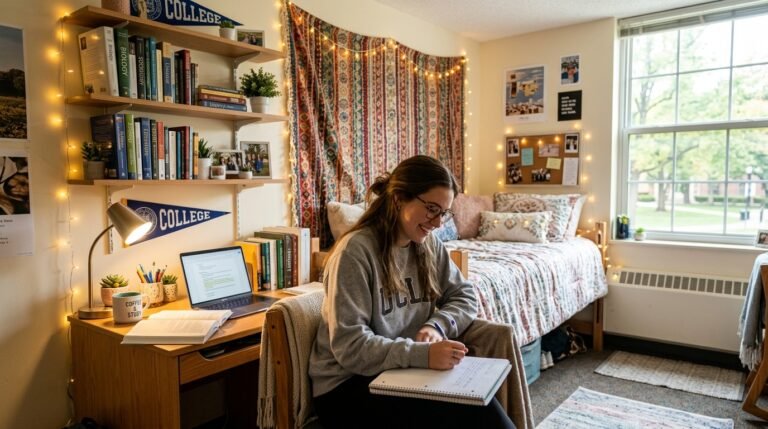
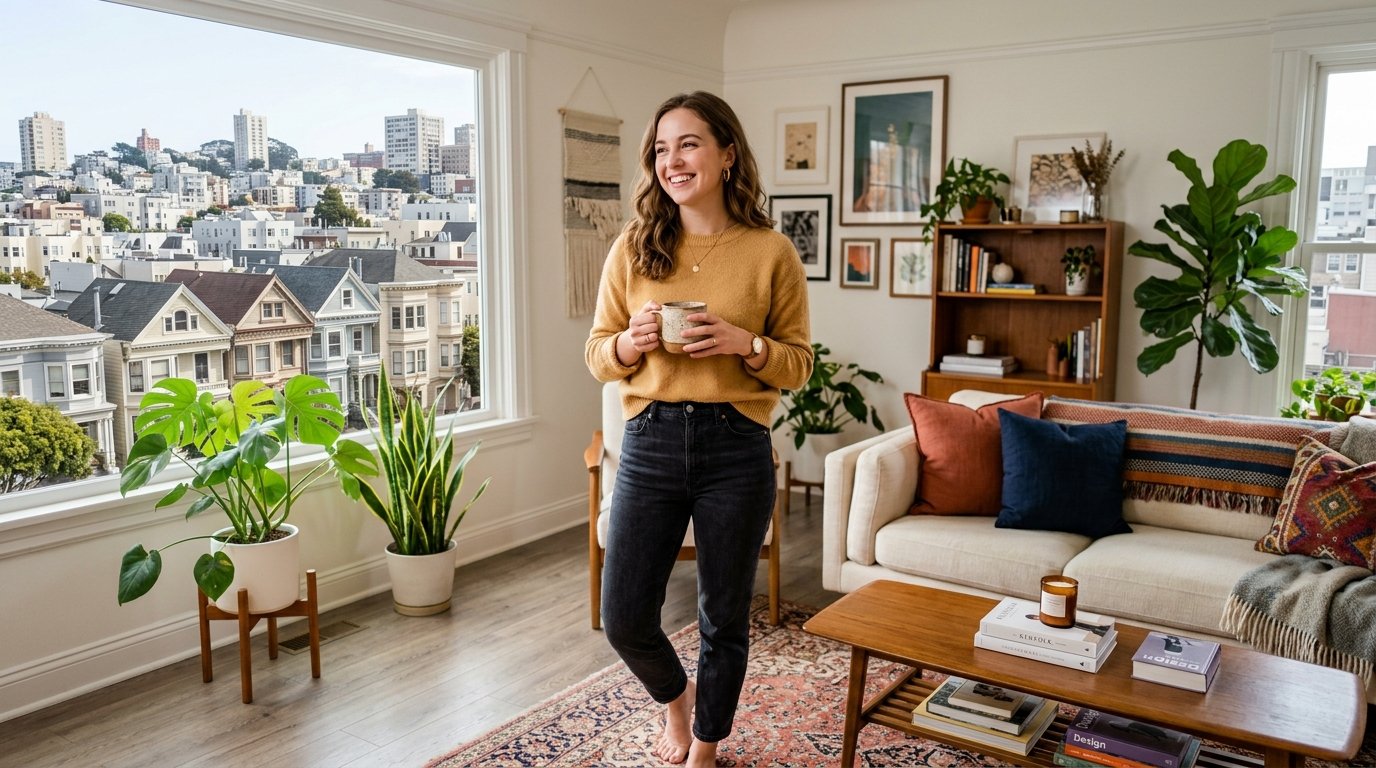
Stepping into your future apartment feels incredibly exciting until you look at the empty rooms. The reality of a College Grad’s First Home: Furnishing a House on an Entry-Level Salary can feel completely overwhelming. You have big dreams for your aesthetic but a very limited budget to make them happen. I remember sitting in my living room with moving boxes wondering how I would ever afford real furniture. My bank account was nearly empty after paying the security deposit and first month of rent. However, creating a beautiful space without debt is entirely possible with smart planning.
You do not need massive savings to create a home that feels warm and intentionally designed. The secret lies in rejecting the urge to buy everything brand new from expensive retail stores. In my experience, the most interesting homes blend vintage finds with strategic budget purchases over time. We will explore exactly how to prioritize your spending and find hidden gems in your local area. By following these proven methods, you can build a stunning environment that reflects your personal style. Let us dive into the exact blueprint for making your design vision a reality today.
Executive Summary
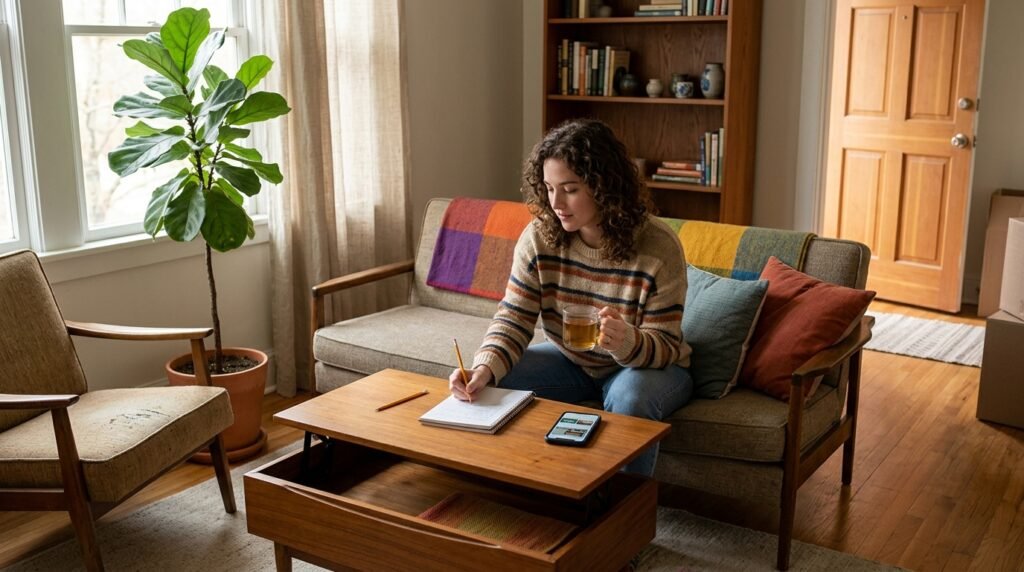
This comprehensive guide delivers specific strategies for transforming your space on a strict entry level budget. You will discover how to source high quality materials without paying premium retail store prices. I will show you exactly which items demand your financial investment and which pieces you should source second hand. From mastering local marketplace negotiations to understanding the power of multifunctional furniture, every single tactic maximizes your limited funds. We cover realistic timelines for acquiring essential pieces so you never feel pressured into bad purchases. You will learn to identify solid wood construction and avoid cheap particle board alternatives completely.
Many new graduates make the expensive mistake of trying to finish their entire home in one weekend. This guide champions the slow decorating mindset that protects your wallet and improves your final design aesthetic. You will find detailed cost estimates and practical frameworks for staging your purchases across several months. I have included specific advice on smart lighting strategies and textile layering that elevate cheap furniture instantly. By the end of this resource, you will possess a clear roadmap for your exciting decorating journey. Your entry level salary will easily cover these strategic investments if you follow this structured approach.
1. Thrift Store Masterpieces
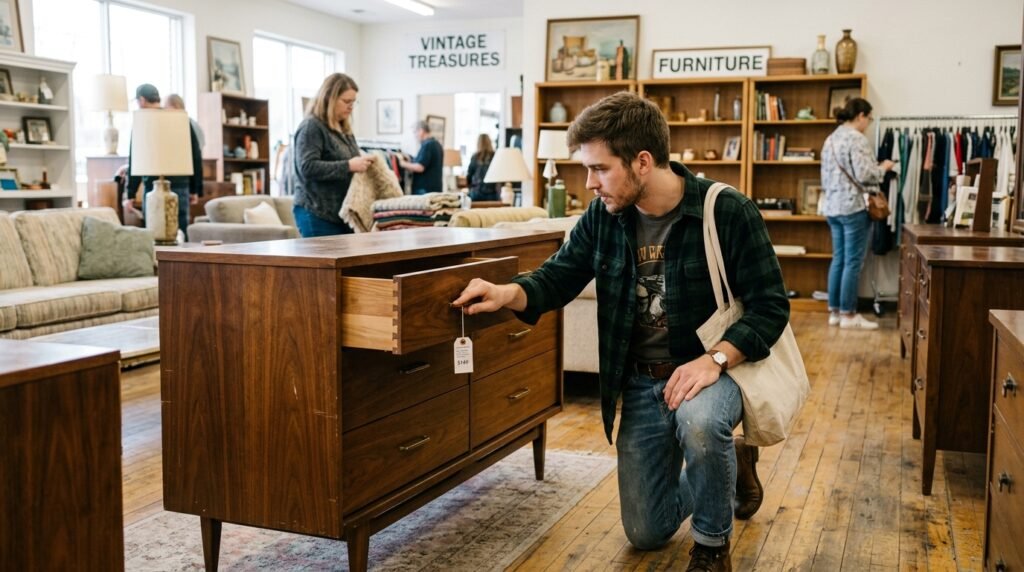
Finding incredible furniture at local thrift stores requires patience and a very specific shopping strategy. During my own home buying journey, I realized that suburban charity shops offer the best inventory. People in affluent neighborhoods frequently donate high quality items that simply do not fit their changing tastes. You must visit these stores on weekday mornings when they place new inventory on the floor. I have noticed that Tuesday and Wednesday mornings consistently yield the best solid wood tables and chairs. Consistency is your greatest weapon when hunting for unique pieces that elevate your getting your own place aesthetic.
You must learn to look past terrible upholstery or ugly hardware when evaluating potential purchases. A structurally sound dresser with awful drawer pulls transforms completely with a simple hardware swap. I once found a solid oak dining table for forty dollars simply because the surface was scratched. A basic sanding block and some dark walnut stain made it look like a thousand dollar piece. Always check the joints and hinges before committing to any wooden furniture you find second hand. Solid construction matters far more than the current cosmetic condition of the item you want to buy.
Upholstered items require a much stricter evaluation process to ensure you do not bring pests home. I recommend avoiding second hand mattresses or fabric sofas unless they come from a trusted family member. However, leather chairs or wooden dining chairs with removable seat cushions are excellent thrift store targets. You can easily unscrew a dining chair cushion and staple fresh fabric over the old material. This simple weekend project costs less than twenty dollars but completely customizes your dining room setup. Trust your nose and always inspect crevices closely when evaluating any piece with attached fabric.
Building a relationship with thrift store employees can give you a massive advantage over other shoppers. I make it a habit to chat with the staff and ask about their restocking schedules. Sometimes they will even hold a specific style of furniture in the back if they know you want it. This local networking approach helped me secure a beautiful mid century credenza before it ever reached the sales floor. Kindness and genuine curiosity go a long way when you are trying to stretch an entry level salary. Treat the hunt like a strategic game and you will win.
2. Local Marketplace Flipping

Online local marketplaces offer an incredible opportunity to furnish your home for pennies on the dollar. However, you must move quickly and communicate clearly to secure the best deals in your area. When I spot a great listing, I immediately message the seller with a firm pickup time. Saying you can pick an item up today with cash puts you ahead of hesitant buyers. People selling furniture usually just want the item out of their house as quickly as possible. Your reliability and speed are valuable assets that can help you negotiate lower prices on expensive items.
Safety must always remain your primary concern when buying items from strangers on the internet. I always arrange to meet in well lit public parking lots during daylight hours whenever possible. If an item is too large and requires picking up at a residence, always bring a friend. Many local police stations now offer designated safe exchange zones in their parking lots for online transactions. You should never carry large amounts of cash without someone else accompanying you to the pickup location. A beautiful vintage desk is never worth risking your personal safety during a transaction.
Negotiating prices online feels intimidating initially but it is a critical skill for budget decorating. I find that offering twenty percent below the asking price is usually a safe starting point. Always base your offer on comparable items currently listed in your specific geographic area. If a seller refuses to lower their price, thank them politely and walk away without arguing. There will always be another coffee table or bookshelf listed tomorrow if you are patient. Keep your emotions detached from the purchase and treat every negotiation as a simple business transaction based on market value.
Sometimes you can acquire fantastic furniture for free by actively monitoring the zero cost sections online. Many people simply do not want to deal with moving heavy items and will give them away. I furnished my entire first balcony with a free patio set that only needed a good scrubbing. You must refresh these free listings constantly because the best items disappear within a few minutes. Setting up automated alerts for specific keywords on your phone gives you a significant competitive advantage. Being the first person to respond is usually the only requirement for claiming free furniture.
Spotting Solid Wood
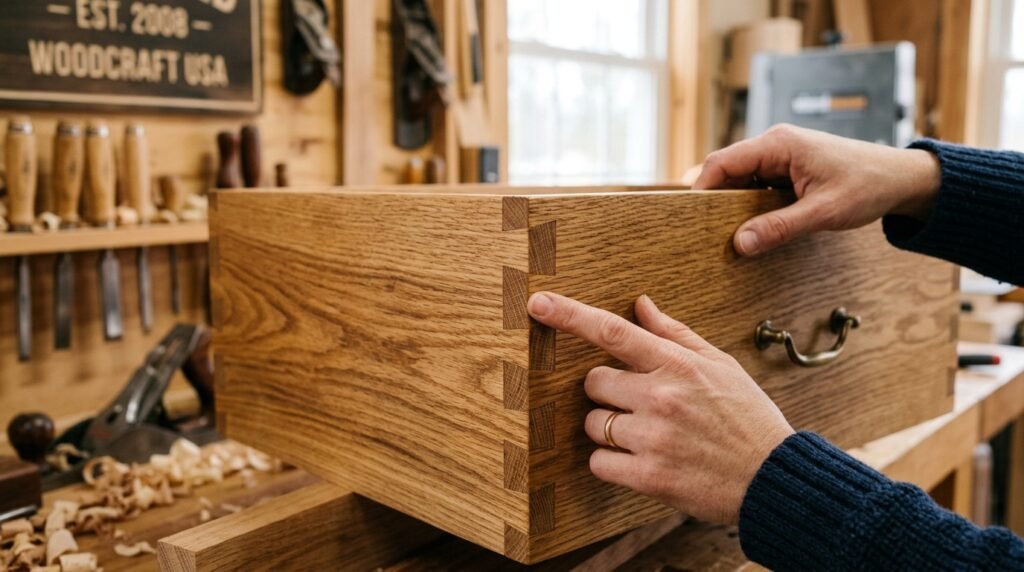
Differentiating between real wood and cheap particle board is essential when buying used furniture pieces online. Solid wood furniture feels significantly heavier and features continuous grain patterns across the edges of boards. If you see repetitive grain patterns or a paper thin layer peeling at the corners, avoid it. Veneer over solid wood is acceptable, but veneer over particle board will inevitably chip and degrade quickly. I always ask sellers to send a close up photograph of the drawer joints before driving anywhere. Dovetail joints strongly indicate high quality construction that will easily survive your next three moves.
Understanding wood types helps you determine if an asking price is actually a good deal. Oak and maple are incredibly durable hardwoods that withstand heavy daily use without showing significant wear. Pine is much softer and will show dents or scratches, but it paints beautifully if you prefer colors. I once bought a scratched cherry wood dresser and decided to sand it down to its natural state. The raw wood looked incredibly modern and completely changed the feel of my small bedroom space. Educating yourself on materials ensures your entry level salary buys lasting quality instead of disposable junk.
Safe Negotiation Tactics

Effective negotiation starts with observing the seller’s urgency through their listing description and photographs. Phrases like must go today or moving sale indicate a high willingness to accept lower monetary offers. I always point out minor flaws politely when examining the item in person to justify my offer. However, you should never insult the seller’s taste or aggressively criticize the item they are selling. A respectful approach like asking if they have flexibility on the price usually yields positive results. Building a quick rapport makes the seller want to help you out with a better discount.
Bundling items together is my favorite strategy for maximizing value on local community selling platforms. If a seller has a great lamp, I always check their other active listings for more items. Offering a single cash amount for three different items solves multiple problems for the seller instantly. I used this exact method to buy a rug, a mirror, and a side table together. The seller gave me a forty percent discount because I saved them the hassle of multiple meetings. Think creatively about how you can solve the seller’s problems while staying within your strict budget.
3. Strategic Quality Splurges

Allocating your limited budget effectively means knowing exactly when to spend money on brand new items. You will spend roughly a third of your life sleeping, making your mattress the ultimate priority purchase. I have seen too many friends suffer from back pain because they bought the cheapest mattress available. This is where you should direct a significant portion of your initial entry level salary savings. A high quality memory foam or hybrid mattress will drastically improve your daily energy and overall health. Protect this investment immediately with a waterproof cover to ensure it lasts for the next decade.
Your primary seating in the living room represents the second area where quality truly matters long term. A cheap sofa will quickly lose its shape and become incredibly uncomfortable after just a few months. When you finally stop staring at a living room with moving boxes, a good sofa makes everything better. Look for sofas with kiln dried hardwood frames and high density foam cushions that retain their bounce. Many direct to consumer brands offer excellent financing options with zero interest if you qualify financially. Breaking a quality sofa purchase into small monthly payments can protect your immediate cash flow.
Task lighting and ergonomic desk chairs are non negotiable splurges if you work from home frequently. Using a rigid dining chair for eight hours a day will destroy your posture and cause chronic pain. I invested two hundred dollars in a refurbished commercial grade office chair and never regretted the expense. Your physical health directly impacts your ability to perform well at your new entry level professional job. Quality task lighting reduces eye strain during late night work sessions or weekend reading marathons. Treat these specific items as direct investments in your career success rather than simple apartment decorations.
Everyday items that physically touch your skin deserve a slightly higher budget allocation for maximum comfort. Cheap polyester sheets sleep hot and pill quickly, requiring frequent replacements that waste your hard earned money. Investing in one set of high quality cotton or linen sheets provides a luxurious hotel experience nightly. The same rule applies to bath towels, where cheap versions push water around instead of absorbing it. You do not need multiple sets of these items if you do laundry on a regular basis. Two excellent bath towels will serve you far better than ten cheap, scratchy alternatives.
4. Multifunctional Core Pieces
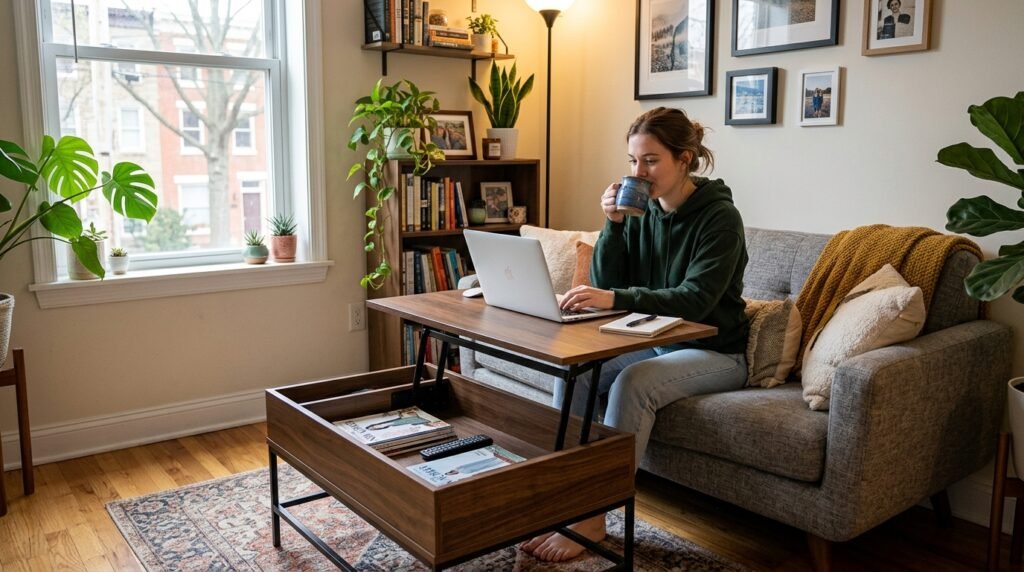
Maximizing a small apartment requires furniture that serves at least two different purposes simultaneously without looking cluttered. An ottoman with hidden storage holds extra blankets while providing a comfortable place to rest your feet. I specifically look for coffee tables whose tops lift up to create a functional dining or workspace. This completely eliminates the need for a separate desk if your square footage is severely restricted. Every piece of furniture must earn its footprint in your new home by offering maximum functional utility. Smart storage solutions hide your daily clutter and maintain a visually clean aesthetic effortlessly.
Drop leaf dining tables are absolute lifesavers for young professionals hosting friends in compact apartment spaces. You can keep the table folded against a wall as a console during your normal daily routine. When guests arrive, simply pull it out and extend the leaves to seat four or six people. I bought a vintage drop leaf table for fifty dollars and it survived three different apartment moves. Wall mounted floating desks provide another excellent space saving alternative that keeps your floor area completely clear. Vertical space is your greatest untapped resource when dealing with typical entry level housing constraints.
Daybeds provide incredible versatility in studio apartments or second bedrooms that must serve multiple different functions. During the day, a daybed styled with large pillows acts as a deep, comfortable lounging sofa. At night, it transforms back into a proper bed without the awful metal bars of sleeper sofas. I recommend buying a standard twin mattress and covering it with a tailored, heavy fabric slipcover. This approach looks far more sophisticated than a traditional futon and provides significantly better sleep quality. Your student appartement aesthetic should evolve into something more intentional and refined as you start working.
Nesting tables offer brilliant flexibility for living rooms that host varying numbers of guests throughout the week. They tuck away neatly into a single compact footprint when you are just relaxing alone after work. However, they easily separate to provide multiple drink stations when you host a weekend movie night. I have noticed that metal and glass nesting tables visually disappear, making small rooms feel much larger. Bulky wooden tables block sightlines and can make a cramped living room feel even more intensely claustrophobic. Always prioritize visually lightweight furniture to maintain an airy, open feeling in tight quarters.
5. Smart Lighting Solutions
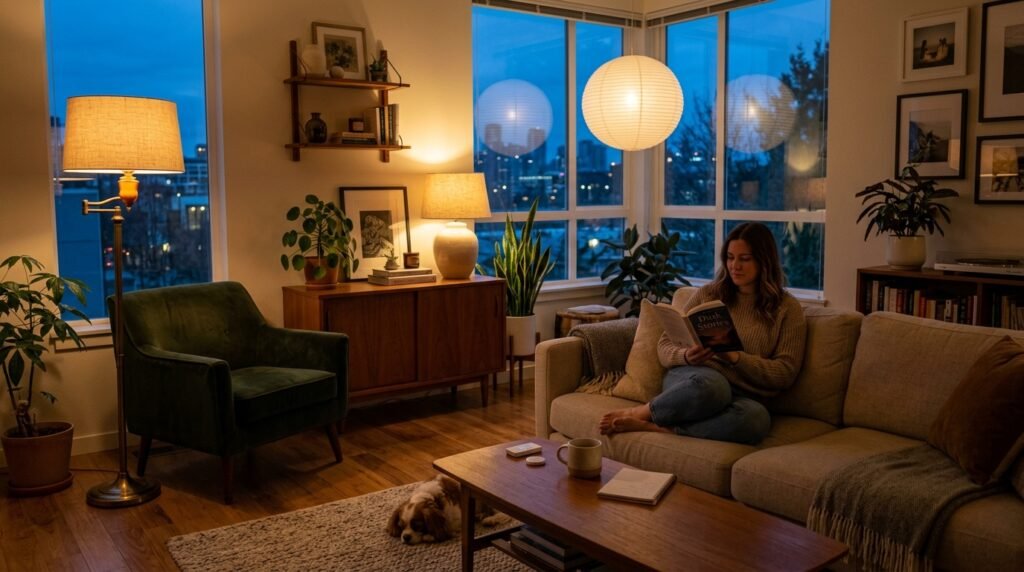
Relying solely on the harsh overhead fixtures installed by your landlord is a massive design mistake. Overhead apartment lighting typically casts unflattering shadows and creates a sterile, depressing atmosphere resembling a generic hospital. You must layer different light sources at varying heights to create a warm and inviting residential space. I recommend placing at least three different light sources in your main living room for optimal ambiance. A floor lamp, a table lamp, and a small accent light can completely transform the room’s mood. Warm white LED bulbs immediately make cheap furniture look more expensive and deliberately curated.
Smart bulbs represent a tiny investment that yields a massive return in your daily apartment experience. Controlling your lighting temperature and brightness from your phone feels like an incredible luxury on lazy evenings. You can program the lights to slowly brighten in the morning, helping you wake up more naturally. During my first year working, setting my lights to a warm dim glow helped me unwind instantly. You do not need an expensive smart home hub to utilize basic wifi connected light bulbs anymore. A twenty dollar smart bulb pack brings high end automation to your entry level budget.
Battery operated wall sconces are the ultimate renter friendly hack for adding sophisticated lighting without wiring. You simply mount the decorative fixture to the wall and insert a rechargeable remote controlled puck light. This allows you to flank your bed or sofa with elegant lighting without risking your security deposit. I used this trick in a dark hallway that lacked any electrical outlets and it looked amazing. Nobody will ever know they are not hardwired unless you specifically tell them your clever design secret. This approach adds instant architectural interest to boring white apartment walls very affordably.
Mirrors strategically placed opposite your windows will bounce natural light deep into your dark apartment spaces. A large floor mirror acts as a secondary window, making small rooms feel twice as expansive visually. You can often find massive leaning mirrors at discount home stores for under one hundred dollars easily. I placed a cheap mirror behind a floor lamp to double the light output in a dark corner. This simple optical illusion elevates the entire room while giving you a place to check your outfits. Natural light is the best free decoration your future apartment will ever have.
Layering Ambient Light
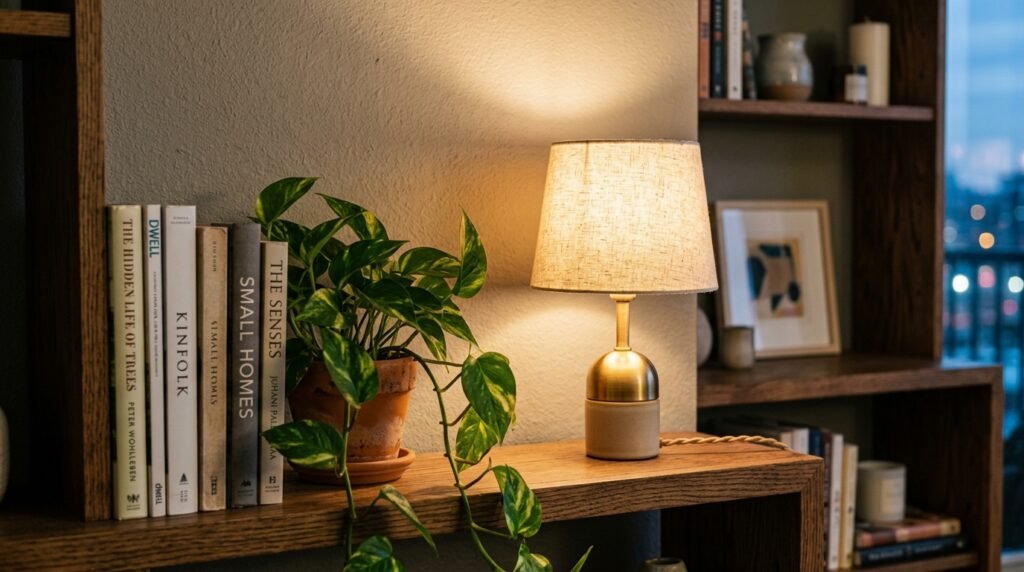
Creating pools of warm light throughout your room draws the eye around the space very intentionally. You should avoid lighting the entire room uniformly if you want a cozy, sophisticated evening atmosphere. Placing a small accent lamp on a bookshelf highlights your favorite decorative objects and creates beautiful shadows. I love using cheap LED strip lights behind my television to reduce eye strain in a dark room. This bias lighting technique makes your screen look better while adding a subtle, modern glow to walls. Mastering ambient light transforms a basic white box into a true sanctuary after work.
Paper lanterns provide an incredibly cheap way to diffuse harsh light and create soft, glowing orbs. A simple rice paper shade costs less than ten dollars but delivers a massive visual impact immediately. They bring a sculptural element to the ceiling and hide ugly landlord installed fixtures perfectly without damage. I have seen many designers use oversized paper pendants to anchor a dining space on a tight budget. The soft diffusion of light flatters every skin tone and makes your guests feel instantly relaxed. Beautiful lighting design relies on creativity and diffusion, not expensive crystal chandeliers or fixtures.
6. Affordable Textile Layering
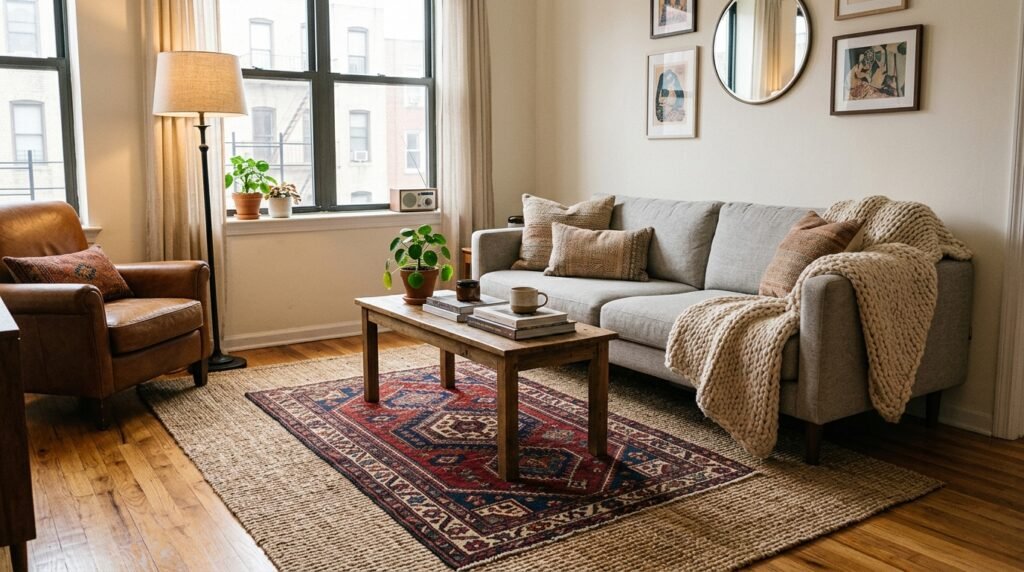
Textiles are the absolute fastest way to inject personality and color into a boring rental space. A large area rug anchors your living room furniture and defines the zone in an open concept layout. Unfortunately, massive rugs usually cost a fortune, but you can find incredible deals on vintage Turkish designs online. I highly recommend buying a smaller vintage rug and layering it over an inexpensive large jute rug. The natural jute provides the necessary square footage while the smaller rug delivers beautiful color and pattern. This layering technique looks incredibly deliberate and saves you hundreds of dollars easily.
Throw pillows are the jewelry of your living room, but buying them brand new gets very expensive. The secret is to buy high quality feather inserts once and simply change the cheap covers seasonally. A down filled insert makes even a ten dollar canvas cover look incredibly plush and expensive instantly. I wash my pillow covers every few months to keep my living space feeling fresh and meticulously clean. Avoid buying pillows with the filling sewn directly inside, as they inevitably become flat and totally misshapen. Invest in good bones and rotate the external aesthetics as your tastes change.
Curtains drastically alter the perceived size of your windows and the overall height of your ceilings. You must hang your curtain rod as high and as wide as possible to maximize this illusion. Buying extra long curtains allows the fabric to gracefully pool on the floor for a luxurious look. If custom lengths are too expensive, you can buy cheap canvas drop cloths from a hardware store. I washed canvas drop cloths in bleach to soften them and hung them using basic metal ring clips. They look exactly like expensive heavy linen drapes for a fraction of the cost.
Drape a heavy textured blanket over the back of an ugly sofa to completely change its appearance. A beautiful woven throw distracts the eye from dated upholstery while adding necessary warmth for movie nights. I keep several different blankets in a thrifted wicker basket to add texture to my living room corner. When your friends come over, having accessible blankets makes the environment feel incredibly welcoming and highly relaxed. Mixing different materials like chunky knits, smooth velvet, and natural linen creates visual depth and extreme coziness. Textiles soften the harsh angles of cheap furniture and make a house a home.
7. Slow Decorating Mindset

The most expensive mistake new graduates make is rushing to finish every room in a single month. This frantic pace forces you to settle for generic, poor quality items simply to fill empty spaces. Living with empty corners for a few months is perfectly acceptable and actually improves your final design. I spent my first three months with nothing but a mattress and a borrowed folding camp chair. This breathing room allowed me to save cash and figure out exactly how I used the apartment. Rushing leads to buyer’s remorse and wastes your hard earned entry level salary completely.
Creating a vision board apartment keys in hand helps you maintain focus when shopping for various pieces. Having a clear color palette and style direction prevents you from buying random items that clash terribly. I keep my mood board saved on my phone so I can reference it while thrifting locally. If a vintage lamp does not match the specific aesthetic of my board, I force myself to walk away. This strict visual discipline ensures every piece you bring home contributes to a cohesive, beautifully curated environment. Your home should tell a unified story, not look like a chaotic garage sale.
Embrace the reality that your personal style will inevitably evolve as you mature in your professional career. Buying timeless, neutral foundation pieces allows you to change your accent colors cheaply as trends shift quickly. A grey or cream sofa will survive multiple style phases, whereas a bright orange sofa limits you. I highly recommend satisfying your craving for trendy colors through cheap posters, small planters, and basic pillows. When you inevitably tire of a specific trend, replacing a poster costs almost nothing compared to furniture. Protect your major investments by keeping them as classic and neutral as humanly possible.
Documenting your progress through photographs helps you appreciate how far your home has actually come along. On moving day living room spaces look terrifyingly blank, but slow progress eventually creates a wonderful sanctuary. I love looking back at pictures of my bare apartment to remind myself of the hard work. Celebrate each small acquisition, whether it is a new plant or a finally framed piece of art. Furnishing your first home is a marathon, not a sprint you must win by your first dinner party. Enjoy the gradual process of building a space that perfectly reflects your unique identity.
Frequently Asked Questions
How much should a recent grad spend on furnishing a first apartment? You should aim to spend no more than ten to fifteen percent of your annual take home pay on initial furnishings. However, you do not need to spend this all at once during your first month. I recommend budgeting around one thousand to two thousand dollars for absolute essentials like a quality mattress and a comfortable sofa. You can easily furnish the rest of the apartment slowly over the next year using local second hand marketplaces. Building a beautiful home on an entry level salary requires immense patience and creativity, not massive, crippling credit card debt.
Is it worth buying cheap furniture just to have something immediately? Buying incredibly cheap, poorly made furniture simply to fill an empty room is a massive financial mistake. Temporary placeholder furniture usually breaks within a year, forcing you to spend money twice on the same item. I have noticed that living with an empty space temporarily is far better than cluttering it with disposable junk. Borrow folding chairs from friends or use inexpensive floor cushions while you save for a quality piece. Patience allows you to afford solid wood or durable items that will easily survive your next three moves without falling apart completely.
How do I transport large furniture without owning a big truck? Transporting large furniture is a common hurdle, but several affordable solutions exist for recent college graduates today. You can rent a pickup truck from a local hardware store for about twenty dollars for seventy five minutes. Another excellent option is hiring a local delivery driver through gig economy apps for a flat hourly rate. I frequently ask friends with large SUVs to help me in exchange for buying them dinner and drinks afterward. Always measure your vehicle trunk and the apartment doorways carefully before purchasing any large, non refundable furniture item.
What is the best time of year to buy apartment furniture? Timing your furniture purchases can save you hundreds of dollars on brand new items over the year. The best sales on indoor furniture typically occur during late summer and early fall when new floor models arrive. Holiday weekends like Memorial Day and Labor Day also feature massive discounts on mattresses and large living room seating. If you are shopping second hand, college graduation season in May is the absolute best time to hunt. Graduating students frequently sell high quality pieces for extremely cheap prices because they must move across the country quickly.
How can I make my cheap apartment look more expensive? Elevating a basic apartment requires focusing on lighting, textiles, and strict clutter management rather than expensive furniture. Swap out cheap plastic blinds for long, flowing curtains hung close to the ceiling to create height. I always recommend changing the basic cabinet hardware in the kitchen and bathroom to modern matte black or brass pulls. Layering multiple sources of warm ambient light instantly makes a cheap room feel like a boutique luxury hotel lobby. Keeping your surfaces completely clear of daily visual clutter costs absolutely nothing but drastically improves your aesthetic.
Are futons a good investment for a first apartment? I strongly advise against purchasing a traditional metal framed futon for your first professional post college apartment. They are notoriously uncomfortable for daily sleeping and look incredibly cheap in a nicely decorated adult living room. Instead, invest your money in a high quality daybed with a real twin mattress and a tailored fabric cover. A daybed provides significantly better back support and looks like a sophisticated, expensive sofa during the daylight hours. Your home buying journey should prioritize pieces that support proper posture and provide a genuinely restful night of sleep.
How do I negotiate safely on local community marketplaces? Successful negotiation requires polite communication and a clear understanding of the item’s actual local market value today. Always start by offering twenty percent below the asking price and point out any scratches or damage respectfully. For your safety, always meet sellers in well lit, public areas like a police station parking lot during daylight hours. I never bring exact cash until I have thoroughly inspected the item for bugs, weird smells, or hidden structural damage. Trust your instincts entirely; if a seller seems aggressive or sketchy, simply walk away from the deal immediately.
What household items should I never buy second hand? While thrifting saves money, certain soft items pose severe hygiene risks that simply are not worth the discount. You should never buy second hand mattresses, bed pillows, or upholstered headboards due to the high risk of bedbugs. Soft fabric sofas require extremely careful inspection, though I personally prefer buying them new to ensure total cleanliness. Kitchen items like scratched non stick pans or heavily used plastic storage containers should also be purchased brand new. Protecting your physical health and preventing pest infestations must always override your desire to save a few dollars.
How do I plan a layout for a small studio apartment? Planning a studio layout requires creating distinct functional zones using strategic furniture placement rather than actual walls. Use the back of your sofa or an open bookshelf to visually separate your sleeping area from the living room. I recommend placing your bed in the darkest corner and reserving the brightest window areas for your primary workspace. Use rugs to anchor each specific zone and clearly define where the living room ends and the dining area begins. Maintain wide, clear pathways between these zones to prevent the small space from feeling utterly claustrophobic.
What are the best plants for a beginner’s apartment? Adding greenery brings immediate life to a sterile apartment, but you need indestructible plants if you are a beginner. Pothos is an incredible trailing plant that survives in low light and tells you exactly when it needs water. Snake plants are virtually unkillable, thrive in dark corners, and naturally purify your indoor air while you sleep deeply. I also highly recommend ZZ plants because they require watering only once a month and feature beautiful, shiny architectural leaves. Start with just two hardy plants before spending money on expensive, notoriously difficult tropical varieties.
How can I add color to an apartment without painting the walls? Landlords rarely allow painting, but you can inject massive amounts of color through strategic textile and art choices easily. A massive, vibrantly colored vintage rug completely transforms the visual temperature of a boring white room in seconds. I love framing cheap botanical posters or colorful abstract printable art to create a massive, vibrant gallery wall. Colorful throw blankets, patterned pillow covers, and bright ceramic plant pots add necessary visual interest without risking your deposit. Focus on bringing colors in through items you can easily pack up and take to your next home.
How do I hide ugly apartment carpet on a budget? Dealing with stained or ugly landlord carpet is incredibly frustrating, but massive area rugs provide the perfect camouflage solution. Layering a large, inexpensive jute or sisal rug over the existing carpet instantly neutralizes the floor’s offensive color palette. I have noticed that securing the top rug with heavy double sided carpet tape prevents annoying tripping hazards completely. Placing your heaviest furniture on the corners of the rug also keeps it flat and secure over the plush carpet underneath. This technique completely shifts the room’s focus away from the terrible flooring instantly.
Your Next Decorating Steps
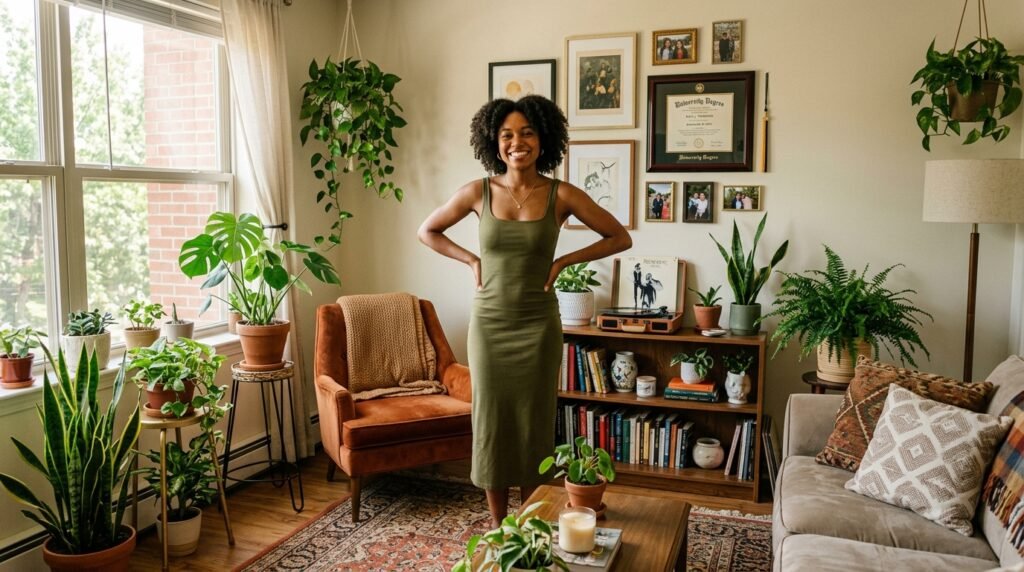
Furnishing your first space requires creativity and patience, not an endless supply of immediate cash from your savings account. By hunting for second hand treasures and layering affordable textiles, you can build a stunning environment entirely debt free. Stepping into your College Grad’s First Home: Furnishing a House on an Entry-Level Salary should feel incredibly empowering and exciting. I have seen how small changes like these can completely transform a space into a true personal sanctuary. Save these tips on Pinterest, share them with friends, and start building your dream aesthetic slowly today

Amelia leads HavenlyStyle’s editorial vision with a passion for elegant interiors and practical home living. With years of experience in home décor and lifestyle content, she ensures every article is accurate, inspiring, and easy to follow. From timeless decorating ideas to the latest interior design trends, Amelia is committed to helping readers create beautiful, functional spaces while maintaining HavenlyStyle’s trusted and welcoming voice.