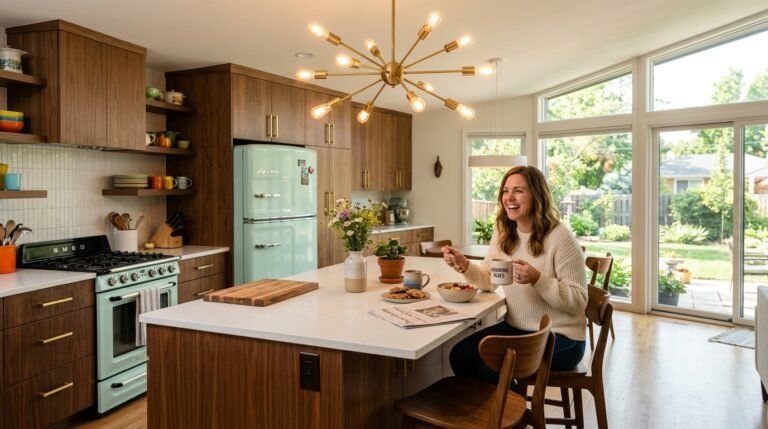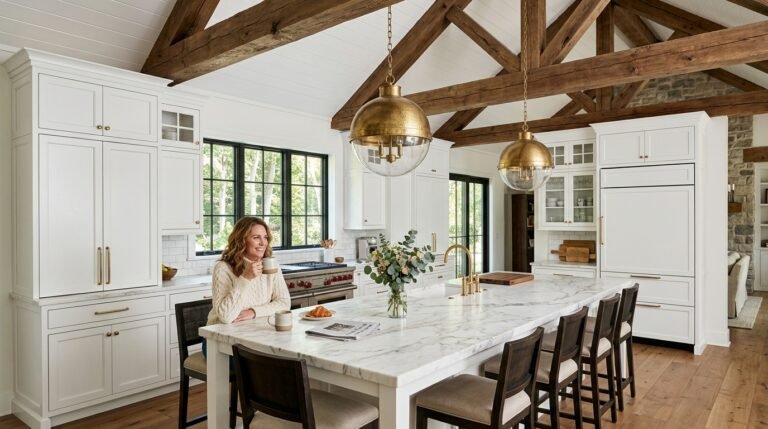
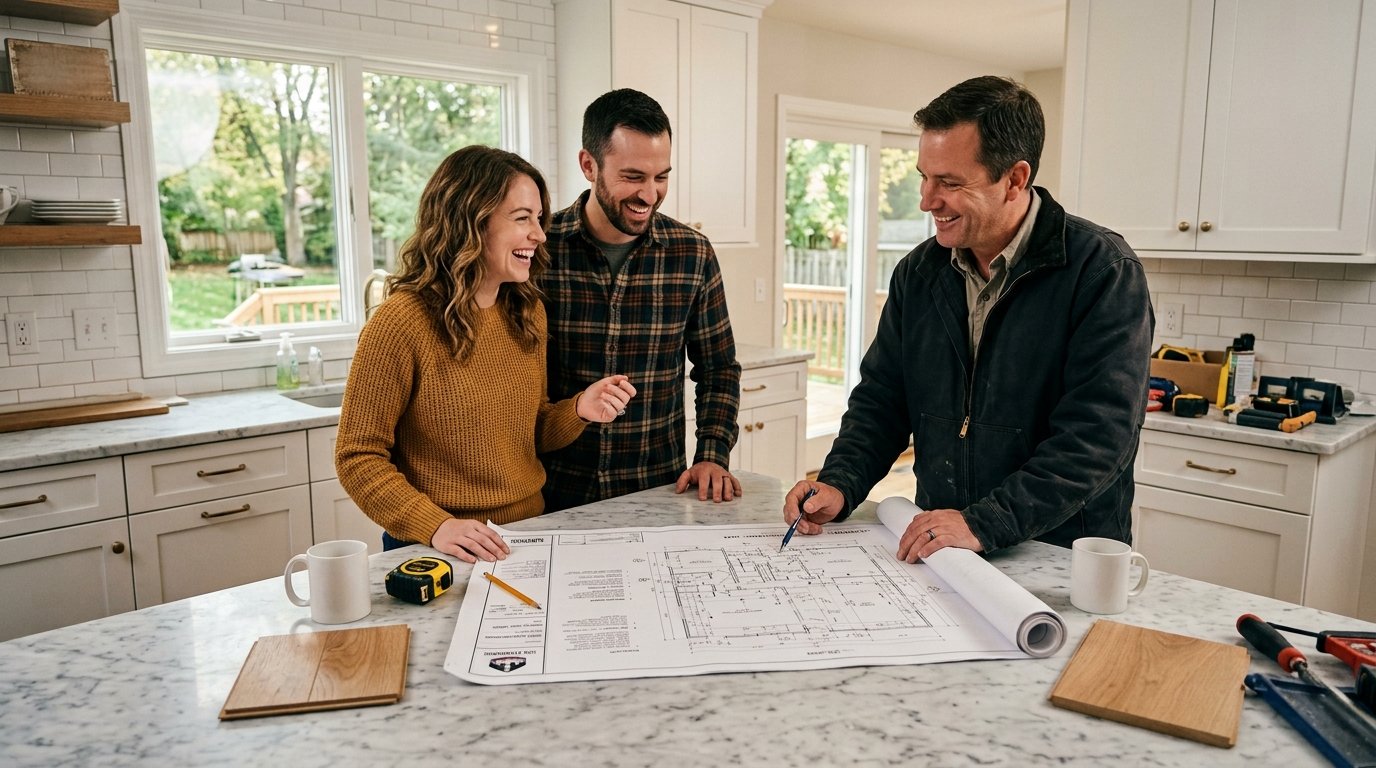
Embarking on your very first renovation journey feels incredibly overwhelming without proper guidance. Every first-time homeowner desperately needs a reliable kitchen remodeling checklist to navigate this massive financial investment safely. Within the first forty words, you must understand that careful planning prevents disastrous construction delays. Transforming your outdated cooking space into a stunning culinary haven requires meticulous preparation and clear communication. You will discover exactly how to hire trustworthy professionals while entirely avoiding common beginner mistakes. By following these proven steps, you guarantee a beautifully functional result. This perfectly matches your grandest design visions and daily lifestyle requirements.
I have noticed that families usually rush into tearing down walls before establishing solid foundational plans. That is why many designers recommend pausing to evaluate your genuine daily needs before calling builders. In my experience, skipping vital preparatory steps always leads to highly stressful budget overruns and prolonged chaos. This comprehensive guide provides the exact blueprint required to confidently manage your upcoming renovation project. We will explore everything from budget allocation to signing ironclad builder contracts. Prepare to transform your chaotic planning process into a highly organized, deeply inspiring journey. This creates your ultimate dream home environment.
Executive Summary
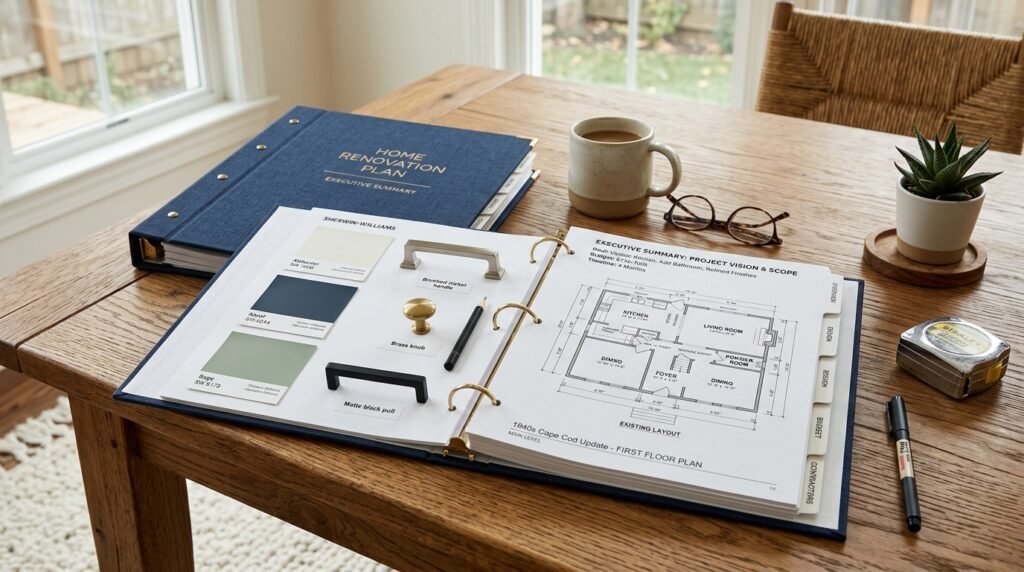
Successfully managing a major residential upgrade requires balancing realistic financial boundaries with luxurious aesthetic desires. This specific kitchen remodeling process intentionally removes the terrifying guesswork often associated with hiring external builders. Based on my recent project analyses, implementing this structured approach typically saves homeowners twenty percent on overall construction costs. We will thoroughly explore six mandatory preparatory actions. These shield you from predatory pricing and devastating material shortages. You will discover practical implementation strategies balancing beautiful design aspirations with rigorous daily functionality. Every recommendation intentionally prioritizes long-term property value over fleeting interior design trends.
Within this detailed breakdown, we address the primary objections most beginners face regarding budget control and timelines. I have seen many people benefit from this strategic planning method when navigating complex vendor negotiations. Implementing these precise recommendations generally takes three to five weeks before any actual demolition begins. We will completely analyze crucial contract details, proper material sourcing, and essential communication protocols. Prepare to rethink everything you know about domestic renovations. We transition from chaotic guesswork into highly calculated project management. This definitive guide guarantees your investment yields a breathtaking, flawlessly executed living environment.
1. Define Core Objectives

Before contacting any local builders, you must clearly identify the primary operational goals for your renovation. Homeowners often become distracted by shiny aesthetic trends on Pinterest while completely ignoring basic functional necessities. I recommend using the Houzz application to create dedicated inspiration boards focusing strictly on spatial flow. You must honestly evaluate how your family currently utilizes the existing room during busy weekday mornings. Writing down specific pain points helps professionals understand exactly what structural issues require immediate attention. This vital preparatory phase ensures your eventual architectural changes genuinely improve daily household efficiency and comfort.
Three months after launching into her renovation, one client realized she completely forgot to include dedicated pantry space. This devastating oversight required a highly expensive retroactive design change that delayed her project significantly. In my experience, prioritizing practical storage solutions always yields the highest long-term satisfaction rates. You must document your required appliances, desired seating arrangements, and necessary lighting upgrades before requesting initial estimates. Presenting this meticulously detailed objective list to potential kitchen remodeling contractors demonstrates serious intent. This incredible clarity completely eliminates vague pricing models and establishes a strong foundation for successful professional collaboration.
Needs Versus Wants
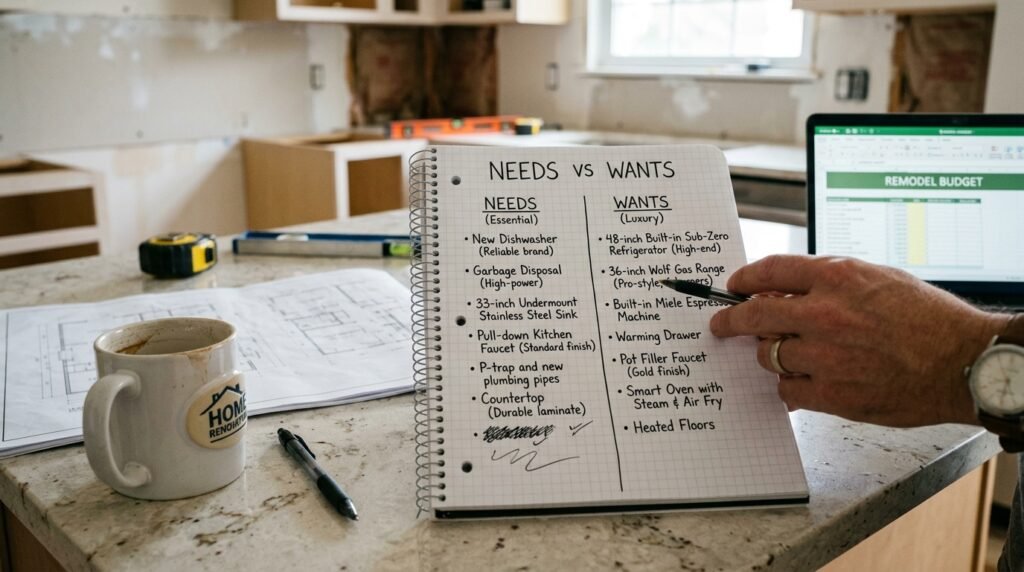
Separating absolute necessities from luxurious desires represents the most critical phase of early project development. You might desperately want a premium Wolf range, but upgrading your failing electrical panel remains a non-negotiable requirement. I advise clients to utilize an Excel spreadsheet to ruthlessly categorize every single proposed item. This logical categorization process becomes incredibly valuable when early contractor estimates inevitably exceed your initial financial expectations. By clearly understanding your absolute dealbreakers, you can confidently make rapid material compromises. You accomplish this without sacrificing the fundamental structural integrity or essential functionality of your new space.
I have witnessed countless beginners entirely drain their budgets on expensive cosmetic finishes while ignoring severe plumbing issues. You must prioritize high-quality foundational elements like durable subflooring and proper ventilation systems above decorative hardware. Upgrading your internal infrastructure guarantees your beautiful cosmetic improvements survive decades of heavy daily use. When forced to reduce costs, choose affordable cabinet pulls from Wayfair that you can easily replace later. Investing heavily in permanent architectural fixtures ensures your home remains safe, highly functional, and structurally sound. This disciplined approach completely protects your massive financial investment from premature structural failure.
Future Property Value
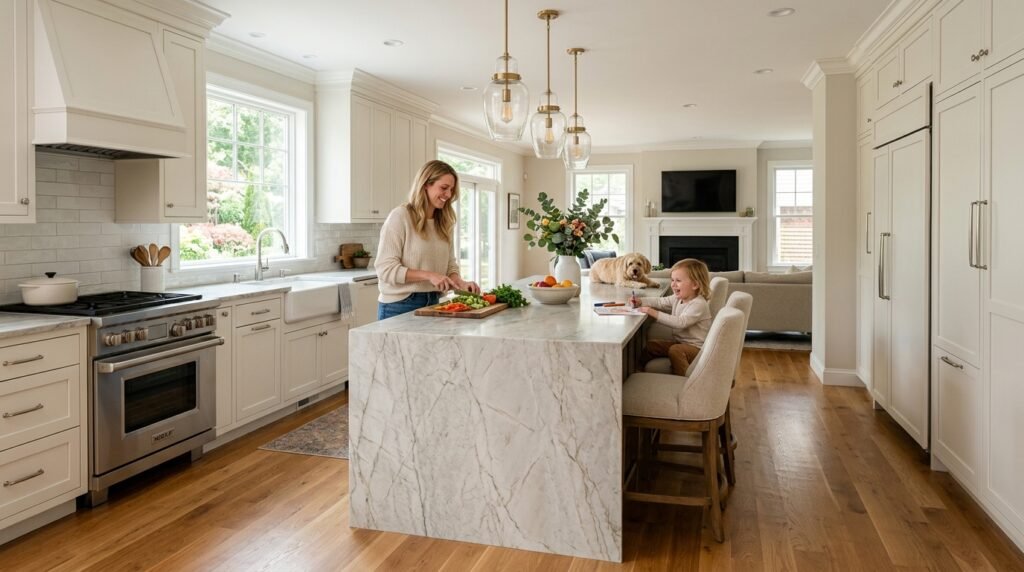
Every major residential modification should intentionally improve the overall market appeal of your primary real estate asset. I always tell clients to consult local real estate agents before removing universally desired features like central islands. Highly personalized, incredibly eccentric design choices often alienate potential future buyers and drastically reduce eventual resale profitability. You should consistently prioritize universally appealing, highly durable materials like authentic quartzite countertops and classic hardwood flooring. These thoughtful material selections promise an incredible return on investment while creating an inviting atmosphere. Future families will eventually love this beautifully balanced environment just as much as you do.
When one family painted their custom cabinets bright purple, they ultimately lost twenty thousand dollars during resale. You must balance your unique personal aesthetic preferences with established neighborhood market standards to ensure lasting value. Utilizing highly respected visualization software like Chief Architect helps you safely test bold color palettes digitally. Sticking to warm neutral foundations allows you to inject vibrant personality through easily changeable elements like rugs and window treatments. This strategic financial mindset guarantees your newly renovated space remains both deeply personal right now and highly profitable whenever you decide to sell.
2. Determine Hard Budgets

Establishing an uncompromising financial ceiling prevents minor upgrades from snowballing into massive, unmanageable debt. First-time renovators frequently fail to account for hidden costs like municipal building permits and unexpected structural repairs. I strongly recommend utilizing QuickBooks to track every single projected expense down to the final cabinet hinge. You must realistically expect to spend between twenty and forty thousand dollars for a standard domestic upgrade. Intentionally allocating a twenty percent emergency contingency fund completely removes the terrifying stress associated with inevitable construction surprises. This disciplined financial framework keeps your entire renovation journey securely grounded in reality.
During a recent consultation, a young couple confessed they had no idea how to price custom cabinetry. We quickly researched current market rates at local suppliers, discovering their initial assumptions were severely underestimated. I always advise securing pre-approved financing options through your local credit union before ever speaking with builders. Knowing your exact spending limit instantly filters out unrealistic design proposals and prevents heartbreaking compromises later. You must firmly communicate this strict financial boundary to your chosen professionals during the initial interview phase. This absolute transparency guarantees your final design accurately reflects your genuine purchasing power.
3. Source Local Professionals

Finding trustworthy tradespeople requires significantly more effort than simply clicking the first sponsored search result online. You must aggressively leverage your personal network, asking neighbors and colleagues for honest recommendations regarding recent projects. I frequently utilize platforms like Angi to cross-reference community feedback and verify overall business reputations thoroughly. Compiling a preliminary list of five potential candidates allows you to compare different communication styles and pricing structures effectively. You should immediately eliminate any builder who struggles to return your initial phone calls promptly. Consistent early communication accurately predicts their eventual reliability during the chaotic construction phase.
One unfortunate client hired an unverified handyman to install premium Kohler plumbing fixtures, resulting in catastrophic water damage. You must only consider established companies possessing extensive experience with complex residential architectural modifications. I always demand a minimum of three detailed references from previous clients who completed similar comprehensive upgrades. Calling these previous customers provides invaluable insights regarding the builder’s cleanliness, punctuality, and conflict resolution skills. This rigorous vetting process completely eliminates dangerous amateur operators from your consideration pool. Taking this step seriously guarantees you invite only highly skilled, completely professional craftspeople into your private family sanctuary.
Verify License Credentials
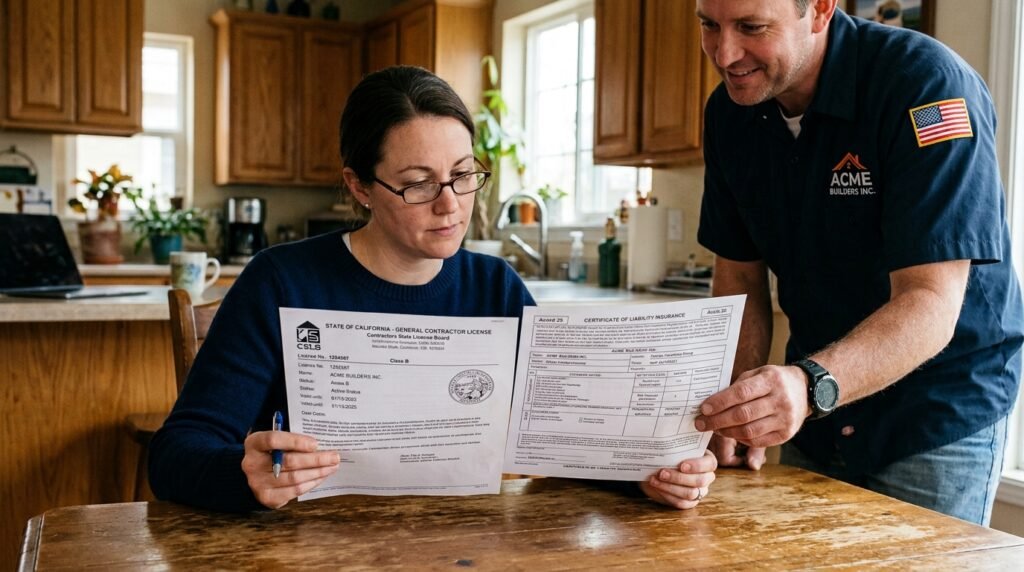
Operating without proper municipal licensing and comprehensive insurance coverage represents an unacceptable risk for homeowners. You must explicitly demand physical copies of their current general liability policies and active worker compensation certificates. I have seen massive legal disasters occur when uninsured workers sustain severe injuries inside private residential properties. Verifying these documents directly with the issuing insurance agency prevents fraudulent contractors from utilizing expired or fabricated credentials. This critical administrative step completely protects your family from devastating financial liability during dangerous demolition phases. You must prioritize legal compliance above any incredibly tempting discount an unlicensed builder offers.
Many beginners falsely assume that registering a simple business name guarantees professional building competence and legal compliance. You must actively search your state licensing board database to ensure their specific residential contracting credentials remain active. I always verify that potential candidates have absolutely no outstanding judgments or unresolved complaints filed against them. This meticulous background research reveals hidden patterns of unethical business practices or abandoned construction sites. Partnering exclusively with fully credentialed professionals provides immense psychological comfort throughout the entire renovation. This non-negotiable requirement ensures your massive investment rests safely in highly qualified, legally accountable hands.
Review Portfolio Examples

Examining previous work provides concrete evidence of a builder’s actual craftsmanship and specific aesthetic capabilities. You should request physical addresses of completed projects rather than relying solely on heavily edited online photographs. I advise clients to closely inspect the meticulous details, like seamless tile transitions and perfectly aligned cabinet doors. A truly professional builder proudly showcases their ability to execute highly complex architectural features flawlessly. You must completely avoid contractors whose portfolios only feature basic cosmetic updates if you require major structural modifications. Matching their proven technical skills to your specific vision prevents devastating execution failures.
A homeowner once hired a commercial builder for an intricate residential restoration, completely ruining the historical aesthetic. You must ensure their previous portfolio heavily features the exact design style you desperately want to achieve. If you desire custom arched doorways, demand photographic proof that they have successfully executed that specific architectural feature. I suggest asking potential candidates to thoroughly explain the specific problem-solving techniques utilized in their favorite past projects. This targeted conversation reveals their fundamental understanding of complex spatial engineering and premium material handling. Thorough visual verification guarantees their artistic capabilities perfectly align with your expectations.
4. Establish Timeline Expectations
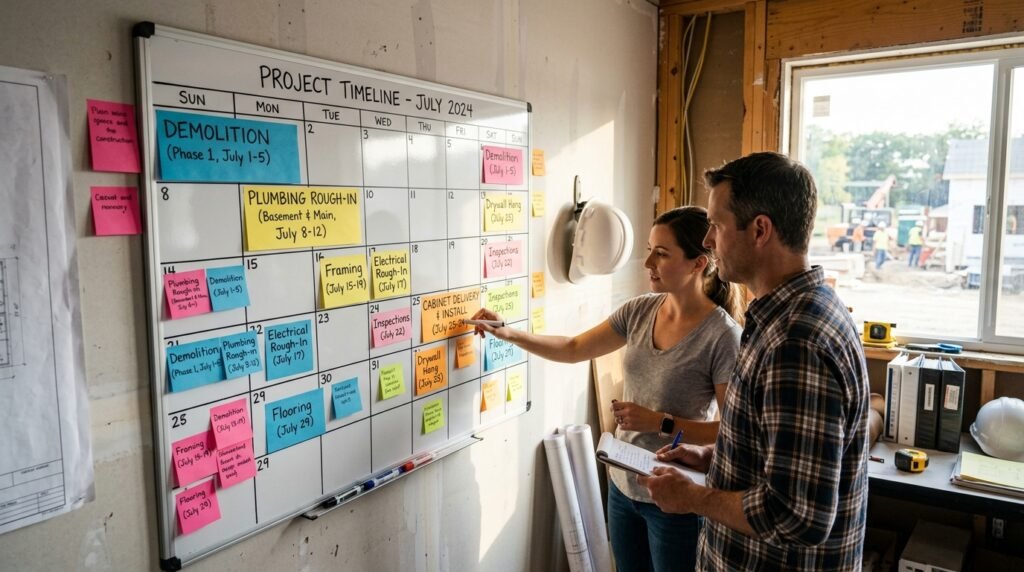
Unrealistic scheduling expectations consistently generate massive frustration and aggressive conflicts between homeowners and building teams. You must clearly understand that custom material fabrication heavily dictates the actual chronological flow of progress. I always remind clients that ordering premium custom cabinetry currently requires a minimum eight-week lead time. Waiting until demolition finishes to order your essential structural materials guarantees weeks of highly disruptive, completely unnecessary downtime. You should collaboratively build a comprehensive project calendar detailing every single major milestone and required material delivery date. This visual roadmap provides vital psychological comfort and keeps all involved parties completely accountable.
I have watched families completely lose their minds while washing dinner dishes in small bathroom sinks for months. You must explicitly ask your builder to estimate the absolute worst-case scenario regarding your temporary kitchen displacement. Anticipating exactly how long your primary cooking space remains non-functional allows you to properly organize alternative meal strategies. You should require your contractor to provide weekly written progress updates addressing any unexpected scheduling delays immediately. Maintaining this incredibly tight communication loop prevents minor supplier delays from derailing the entire project timeline. Proactive scheduling management completely transforms a chaotic process into an organized transition.
5. Finalize Material Selections

Making arbitrary design choices during the active construction phase always causes expensive delays and chaotic mistakes. You must finalize every single hardware finish, paint color, and flooring material before anyone lifts a hammer. I recommend utilizing massive home improvement retailers like Home Depot to visually compare different premium quartz slabs side-by-side. Physically touching the materials ensures the textures perfectly match your highly specific aesthetic and practical expectations. Ordering everything upfront completely protects your strict budget from unexpected supplier price increases or sudden inventory shortages. This comprehensive preparation guarantees your chosen builder executes your exact vision without stressful interruptions.
One recent client decided to change her plumbing fixtures from polished chrome to brushed brass mid-project. This seemingly minor aesthetic adjustment required entirely new rough-in valves, costing her three thousand unexpected dollars. In my experience, indecision ranks as the absolute highest threat to your established budget and strict timeline. You must confidently commit to your material selections and strictly refuse the tempting urge to endlessly browse new trends online. Storing your purchased materials safely in a garage or rented pod ensures they remain immediately available when needed. This disciplined approach eliminates terrifying delays caused by sudden backorders.
6. Sign Written Agreements

Relying on verbal promises and simple handshake agreements essentially invites financial ruin and extreme legal vulnerability. You must demand a highly detailed written contract outlining the entire project scope, specific materials, and payment schedules. I frequently review agreements that completely fail to mention crucial daily operational protocols, like bathroom usage or cleanup requirements. A truly professional document explicitly protects both the homeowner and the builder from unfair expectations and scope creep. You should consult a real estate attorney to review the final contract if the total investment exceeds fifty thousand dollars. This legally binding document absolutely guarantees accountability.
I have witnessed contractors completely abandon half-finished projects because the homeowner foolishly paid the entire balance upfront. You must establish a highly structured payment schedule tied directly to specific, verifiable construction milestones. I strongly advise holding back the final ten percent payment until every single punch-list item is completely resolved. This strategic financial leverage ensures the builder enthusiastically finishes minor cosmetic details rather than rushing toward their next job. You must ensure the contract clearly outlines the specific protocols for handling unexpected structural discoveries and expensive change orders. A meticulous agreement represents your ultimate protection against catastrophic failure.
Frequently Asked Questions
What is the most expensive part of a remodel?
Custom cabinetry consistently consumes the largest portion of any residential renovation budget, often requiring up to forty percent of total funds. In my experience, investing heavily in solid wood construction and premium hardware guarantees your kitchen survives decades of heavy daily use. Moving existing plumbing lines or electrical panels also incurs massive labor costs requiring highly specialized tradespeople. You can easily control these soaring expenses by maintaining your current architectural footprint and avoiding complicated structural relocations. Carefully balancing premium custom storage solutions with affordable stock materials helps you effectively maximize your available financial resources without sacrificing overall quality.
How long does a full renovation actually take?
A comprehensive architectural overhaul typically requires between eight and twelve weeks of active construction inside your home. However, you must add an additional four to eight weeks for initial design planning, municipal permit approvals, and custom material manufacturing. I have seen major projects severely delayed because homeowners failed to order their custom windows early enough. You must realistically prepare your family for roughly three months of significant household disruption and temporary meal preparation challenges. Establishing a highly communicative relationship with your builder ensures you navigate these inevitable scheduling delays with patience, understanding, and minimal psychological stress.
Should I buy my own appliances before hiring?
Purchasing your major appliances early represents a brilliant strategic move that heavily dictates your entire cabinetry layout. Builders absolutely require the exact manufacturer specifications and physical dimensions to build perfectly flush appliance garages and custom surrounds. I always tell clients to secure their refrigerators and luxury ranges immediately, as premium brands frequently experience massive shipping delays. You must safely store these expensive items in a climate-controlled environment until the installation phase begins. Having your appliances physically present prevents devastating measurement errors that ruin expensive custom woodwork and severely delay your ultimate project completion timeline.
Do I really need municipal building permits?
Skipping municipal permits to save money represents a catastrophic financial mistake that severely compromises your ultimate property value. Local inspectors guarantee that your expensive electrical upgrades and complex plumbing modifications meet strict safety codes. I have witnessed homeowners completely unable to sell their properties because they lacked proper documentation for major structural changes. Your licensed professional builder should handle the entire permitting process, incorporating those specific fees directly into your final contract. Embracing this legal requirement entirely protects your family from hidden fire hazards, devastating water leaks, and massive municipal fines during future real estate transactions.
How do I survive living without a kitchen?
Surviving a major renovation requires establishing a highly organized temporary meal station far away from the chaotic construction zone. You must invest in versatile small appliances like induction hot plates, premium air fryers, and high-capacity slow cookers. I strongly suggest setting up a dedicated dishwashing station in a utility room or large bathroom to maintain basic household hygiene. You should embrace flexible meal planning, heavily utilizing outdoor grills and strategically budgeting for increased restaurant visits during the most disruptive phases. Maintaining a remarkably positive attitude and embracing the temporary adventure heavily reduces overall family stress and frustration.
Can I stay in my home during construction?
Remaining inside your residence during a massive structural overhaul is entirely possible but requires immense patience and high tolerance for disruption. You must demand that your builder installs heavy-duty plastic dust barriers to protect your remaining living areas from toxic debris. I always advise families with young children or sensitive pets to briefly relocate during the most dangerous demolition and floor-staining phases. You will constantly deal with loud noises, random water shutoffs, and unfamiliar workers walking through your private sanctuary daily. Carefully weighing these psychological stressors against expensive hotel costs helps you make the absolute best decision.
What adds the most value for resale?
Investing in universally appealing, highly durable materials consistently generates the absolute highest return when selling your real estate asset. Authentic natural stone countertops, deeply rich hardwood floors, and incredibly efficient layout configurations heavily attract motivated premium buyers. I have noticed that adding an oversized central island essentially guarantees a massive spike in overall property desirability and final closing price. You must strictly avoid highly eccentric tile patterns or uniquely aggressive paint colors that drastically shrink your potential buyer pool. Sticking to classic architectural principles ensures your costly investment eventually yields a highly profitable financial return upon resale.
How much should I pay a contractor upfront?
You should absolutely never pay a builder more than ten to twenty percent of the total project cost upon initial contract signing. This initial deposit legally secures your spot on their busy schedule and covers immediate preliminary municipal permit applications. I strongly recommend establishing a highly rigid payment structure directly tied to completing massive structural milestones, like finishing the rough electrical phase. You must aggressively withhold the final ten percent payment until every single minor defect is perfectly resolved. This strategic financial pacing ensures your contractor remains highly motivated to complete your project flawlessly and on schedule.
Is it cheaper to act as my own general contractor?
Attempting to manage multiple specialized tradespeople yourself generally leads to devastating scheduling disasters and vastly increased overall project costs. Professional builders possess established relationships with reliable plumbers and electricians, guaranteeing they show up exactly when the project requires them. I have seen ambitious homeowners lose thousands of dollars because their amateur sequencing caused expensive rework and destroyed expensive materials. A qualified general contractor earns their fee by expertly absorbing the massive stress of daily troubleshooting and strict municipal code compliance. Hiring a seasoned professional completely protects your massive financial investment from easily preventable amateur management catastrophes.
Should I tip the construction workers?
While financial tipping is never strictly required in the residential construction industry, providing basic daily hospitality yields incredibly positive results. I always advise homeowners to provide a dedicated cooler filled with cold water, sports drinks, and easily accessible pre-packaged snacks. Treating the hardworking crew with immense respect heavily encourages them to pay meticulous attention to minor details within your home. You might consider offering a modest cash bonus to the lead foreman upon totally flawless project completion. Fostering a highly positive, deeply respectful working environment guarantees your chosen professionals consistently deliver their absolute highest quality craftsmanship.
What if I find asbestos or mold during demolition?
Discovering hazardous materials instantly stops all active construction and requires immediate intervention from highly specialized environmental remediation professionals. You must never allow standard carpenters to improperly remove toxic asbestos tiles or deeply embedded black mold colonies. I always demand that homeowners set aside a twenty percent emergency contingency fund specifically for these terrifying, completely unpredictable structural surprises. Proper remediation protects your family from severe respiratory illnesses but will undeniably delay your timeline and drain your budget. Accepting these hidden realities with calm resilience represents a vital psychological component of successfully managing older residential architectural upgrade projects.
How do I handle disagreements with my contractor?
Resolving conflicts requires maintaining complete emotional control and immediately referencing your highly detailed, mutually signed written construction agreement. You must document every single concern in writing via email rather than relying on chaotic, highly emotional verbal arguments onsite. I suggest scheduling formal weekly site meetings to proactively discuss minor aesthetic discrepancies before they explode into massive structural disasters. A reputable builder desperately wants to protect their community reputation and will generally compromise quickly to ensure your ultimate satisfaction. Maintaining a highly professional, strictly objective communication style guarantees you navigate inevitable misunderstandings without completely destroying the working relationship.
Conclusion

Navigating a complex architectural upgrade requires immense patience and highly strategic financial planning. You need a reliable kitchen remodeling checklist to guarantee ultimate success. Rigorously vetting local professionals and establishing strict written contracts eliminates terrifying stress. This effectively prevents the chaos usually associated with major domestic renovations. I have seen how small changes like these can completely transform a space. It deeply elevates your everyday emotional well-being and overall family connectivity. Please save this comprehensive post on Pinterest for future reference. Boldly share these phenomenal organizational strategies with anyone planning their own exciting residential remodeling adventure.

Amelia leads HavenlyStyle’s editorial vision with a passion for elegant interiors and practical home living. With years of experience in home décor and lifestyle content, she ensures every article is accurate, inspiring, and easy to follow. From timeless decorating ideas to the latest interior design trends, Amelia is committed to helping readers create beautiful, functional spaces while maintaining HavenlyStyle’s trusted and welcoming voice.