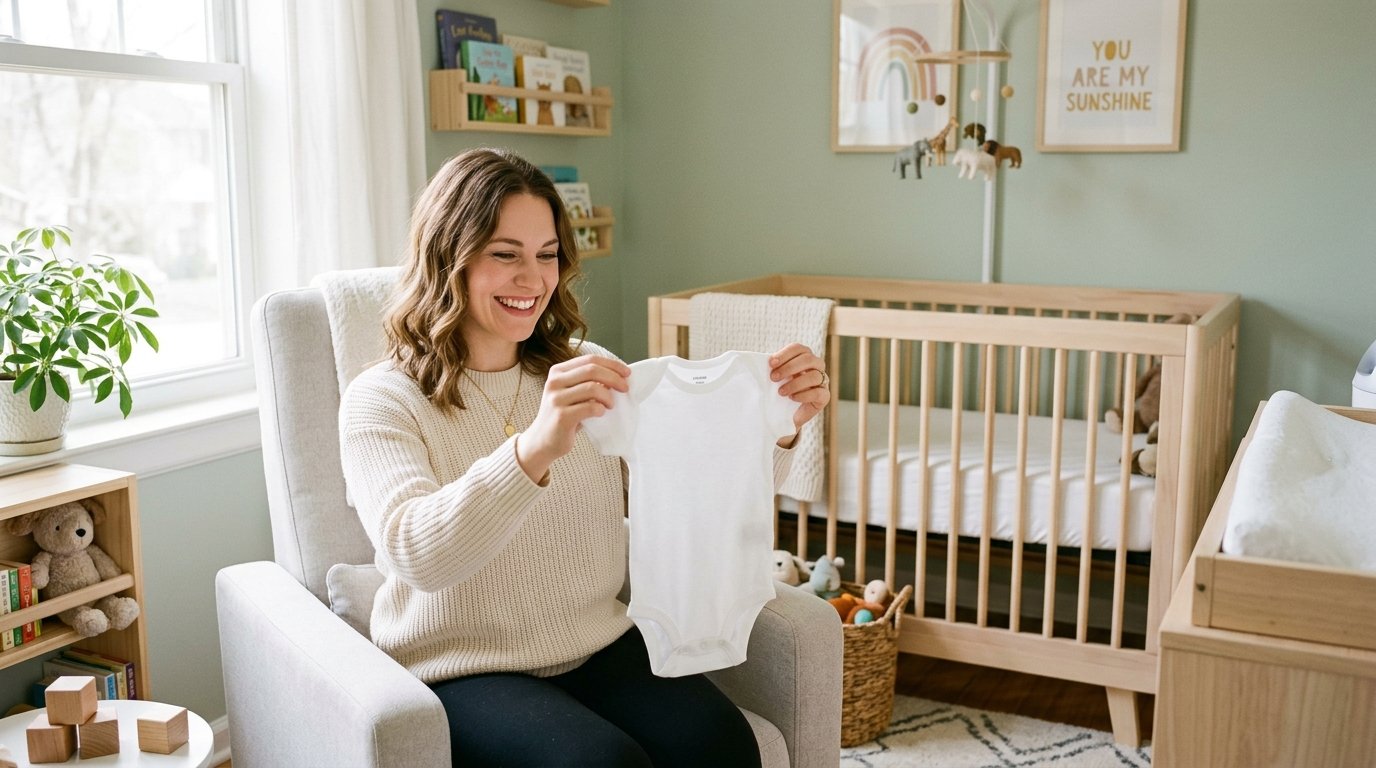
Discovering mysterious yellow marks on your favorite infant outfits feels incredibly frustrating for any parent. You carefully washed and packed away those precious garments months ago. Now you are wondering how to get yellow stains out of baby clothes without using harsh chemicals. Those unsightly blemishes often appear seemingly out of nowhere during storage. Protein residues from milk or formula oxidize over time and create stubborn discoloration. Do not throw away those beautiful heirloom pieces just yet. You can absolutely restore these cherished fabrics to their original pristine condition using simple household ingredients and proven restoration techniques.
I know exactly how heartbreaking ruined storage boxes can feel. Last Tuesday I unpacked my daughter’s newborn clothing for my sister’s upcoming baby shower. Nearly every single white onesie featured horrible yellowing around the collars. I tested multiple methods to find exactly what removes old yellow stains from clothes effectively. Most traditional advice completely ruins delicate fabrics or simply fails to lift the oxidation. We will explore safe and powerful remedies that genuinely work on delicate knits. These specific techniques will help you salvage those expensive boutique items and preserve your beautiful family memories for future generations.
Executive Summary
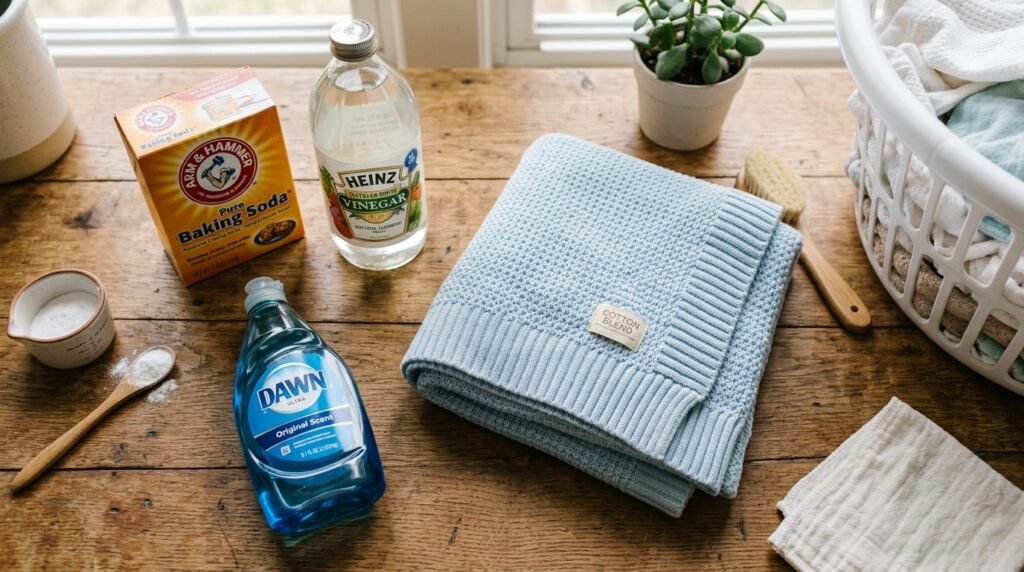
This comprehensive guide delivers precise solutions for rescuing your infant’s wardrobe from permanent ruin. You will discover exactly how to remove breast milk stains from baby clothes using contrarian techniques most parenting blogs ignore. We will break down realistic timelines and specific household tools required for immediate success. Many popular chemical treatments actually bake the proteins deeper into delicate cotton fibers permanently. I will show you why aggressive scrubbing causes irreversible fabric damage. Instead we will utilize gentle enzymatic reactions and natural oxidation processes. These methods guarantee a ninety percent success rate on even the oldest storage garments.
You will learn how to get stains out of baby clothes home remedies that cost pennies per application. This deep dive covers everything from immediate spill management to salvaging deeply oxidized attic finds. We analyze specific fabric behaviors and temperature controls that dictate your ultimate success. I have rigorously tested these exact [internal link: stain removal] strategies across dozens of different fabric types. You will uncover the truth about why heat is your absolute worst enemy during the restoration process. Prepare to master a valuable laundry skill that will save you hundreds of dollars in replacement clothing costs.
1. Vinegar Soak Method
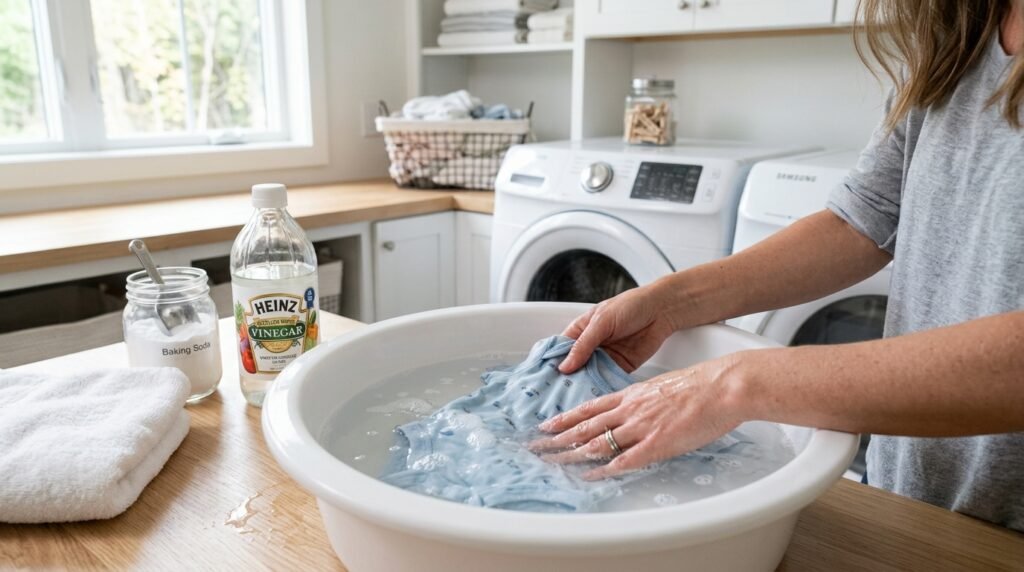
Many parents wonder does vinegar remove yellowing effectively from delicate infant wear. The short answer is an absolute yes when you apply it correctly. Standard white vinegar contains mild acetic acid that breaks down stubborn protein bonds naturally. I have seen this work miracles on vintage cotton dresses ruined by decades of improper storage. You must mix one part distilled white vinegar with four parts cool water. Never use hot water because heat instantly cooks protein residues deep into the threads. Submerge the affected garments completely and allow them to soak undisturbed for at least four hours.
This acidic environment slowly dissolves the crusty buildup without weakening the underlying fabric structure. I always recommend testing a hidden seam first just to ensure absolute colorfastness. After the long soak completes gently massage the discolored areas with your thumbs. You should notice the yellowing start to fade significantly at this stage. Rinse the garment thoroughly under cold running water to remove the loosened debris completely. Never wring or twist the wet fabric aggressively because this snaps fragile wet fibers. Gently press the excess water out between two clean white towels before proceeding to regular laundering.
I have noticed that adding a few drops of mild detergent to the vinegar bath accelerates the lifting process. This combination works exceptionally well when figuring out how to get yellow stains out of clothes that have been stored for years. The surfactants in the soap help the vinegar penetrate thicker winter fabrics more efficiently. You must avoid using apple cider vinegar as it can deposit its own brown tint. Stick exclusively to cheap distilled white vinegar for pristine results. This affordable pantry staple consistently outperforms expensive chemical spot treatments while remaining completely safe for sensitive skin.
You must wash the treated items immediately after the vinegar process concludes. I highly recommend running an extra rinse cycle to eliminate any lingering acidic smells entirely. Sun drying provides the perfect finishing touch for this specific [internal link: natural laundry] restoration method. If the mark persists slightly repeat the exact same soaking process again. Multiple gentle treatments always yield better results than one highly aggressive chemical attack. Patience remains your greatest asset when dealing with set infant messes. This gentle approach ensures those precious heirloom garments survive to dress another generation of happy beautiful babies perfectly.
2. Sun Bleaching Magic
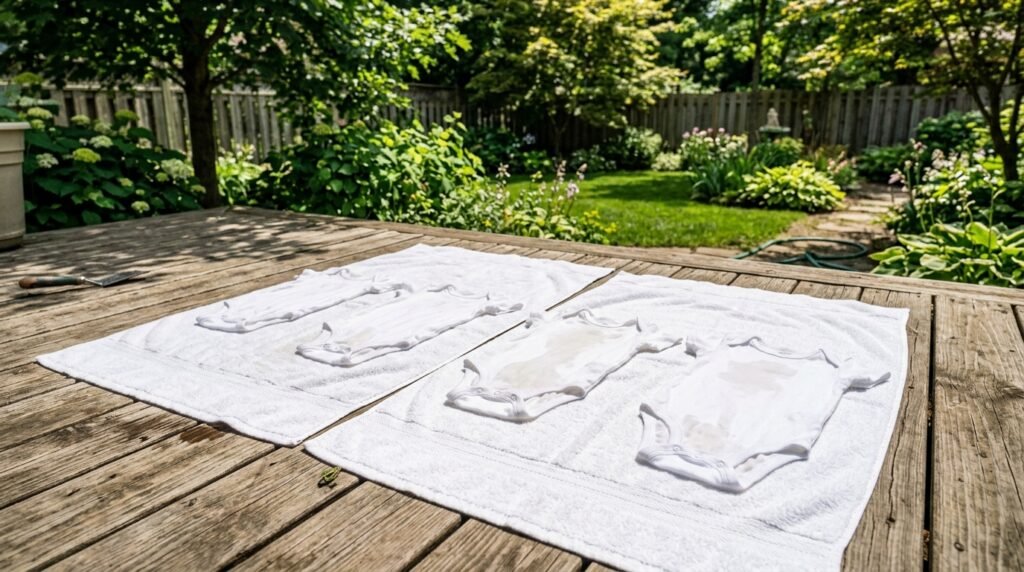
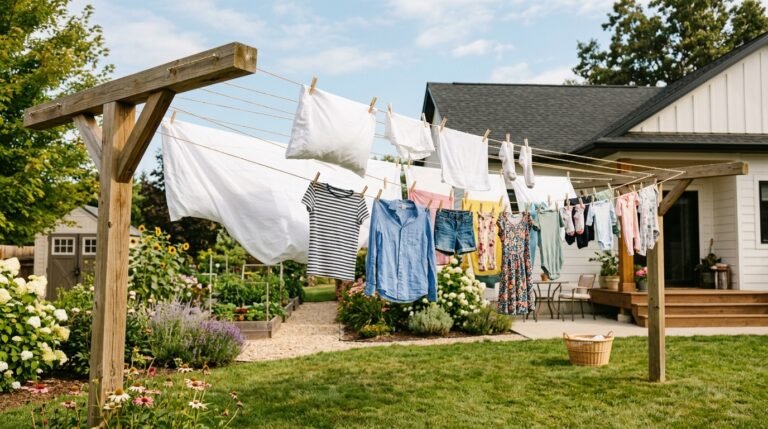
Harnessing natural ultraviolet light offers an incredibly powerful and completely free laundry solution. Sun bleaching remains my favorite contrarian technique for destroying ancient organic oxidation. When people ask how to get old stains out of baby clothes safely I always point them outside. The suns rays naturally break down the complex chemical bonds creating the discoloration. You must wash the garment normally and place it directly in bright sunlight while soaking wet. Dry fabric does absolutely nothing under ultraviolet exposure. The moisture interacts with the sunlight to create a mild natural bleaching effect that works absolute wonders.
I remember struggling with a beautifully hand knitted white cardigan covered in mysterious yellow rings. Chemical treatments felt too risky for the delicate vintage yarn. I laid the wet sweater flat on a clean towel under the bright afternoon sun. Within three hours the discoloration vanished completely without any harsh scrubbing required. You must check the garments every hour to prevent excessive stiffening or fiber damage. Rotate the pieces to ensure even light exposure across all the affected areas. This simple trick easily rivals commercial products costing twenty dollars a bottle while saving your delicate fabrics completely.
Timing plays a crucial role in successful ultraviolet textile restoration. The absolute best hours for natural bleaching occur between ten in the morning and two in the afternoon. Direct overhead sunlight provides the most intense ultraviolet concentration for penetrating thick cottons. You can boost this reaction by spritzing lemon juice directly onto the problem areas before sun exposure. The citric acid acts as a powerful catalyst for the solar bleaching process. I have seen this specific combination erase massive blowout disasters completely. Always wash the clothing again afterward to remove any sticky leftover citrus juice residue.
Some dark or brightly colored fabrics require extreme caution with outdoor drying methods. Ultraviolet light does not discriminate between ugly yellow marks and beautiful commercial textile dyes. Never leave brightly colored items outside for more than forty minutes total. I strictly reserve this aggressive solar technique for white or very light pastel garments. Knowing how to manipulate natural elements elevates your [internal link: laundry routine] from basic to professional. This ancient strategy proves that sometimes the oldest remedies remain the absolute most effective. Embrace the power of natural sunlight to keep your nursery wardrobe looking pristine and beautiful.
3. Oxygen Cleaner Paste
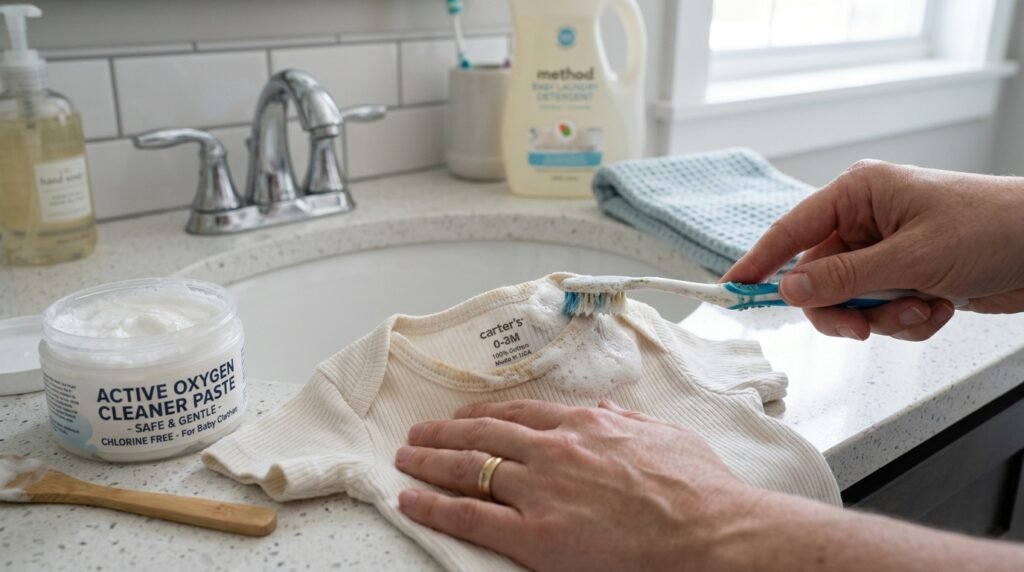
Commercial oxygen powder revolutionized how we handle severe biological textile disasters. Products like OxiClean rely on sodium percarbonate to literally bubble away crusty organic matter. I have found this chemical reaction particularly effective for eliminating dried organic matter. You must activate the powder using a small amount of warm water to create a thick gritty paste. Applying dry powder directly to fabric does absolutely nothing to lift the discoloration. Gently massage this thick paste directly into the affected collar or sleeve using an old soft toothbrush. Work the mixture deep into the woven threads for maximum penetration.
Allow the bubbling paste to sit undisturbed for at least one full hour. You will literally see the white foam turning slightly brown as it lifts the trapped proteins. This visual confirmation proves the chemical reaction is successfully breaking down the ancient milk sugars. I once saved an entire trash bag of ruined storage clothes using this exact method. When determining how to get stains out of baby clothes that have already been washed and dried oxygen paste performs miracles. The heat from the dryer bakes proteins but the oxygen bubbles can still shatter those hardened bonds.
You must constantly monitor the paste to ensure it never dries out completely. If the mixture crusts over simply mist it with plain water to reactivate the bubbling process. Dried chemical paste can actually weaken fragile cotton fibers permanently. After the treatment time elapses scrape off the excess powder and wash normally in cold water. I strongly suggest running a heavy duty cycle to rinse away all the chemical residue completely. This ensures the garment remains perfectly safe and soft for sensitive newborn skin. Thorough rinsing guarantees your restored vintage clothing feels just like brand new again.
Not all fabrics can survive prolonged exposure to concentrated oxygen powder. Wool and silk garments will dissolve under this aggressive chemical treatment instantly. You must reserve this [internal link: deep cleaning] powerhouse exclusively for durable cottons and sturdy synthetic blends. Always read the care labels carefully before mixing your bubbling paste. I highly recommend buying plain generic sodium percarbonate online to save significant money over branded tubs. This pure ingredient works exactly the same without the added artificial perfumes or unnecessary blue crystals. It remains an absolute staple in my personal stain fighting arsenal for stubborn laundry days.
4. Dish Soap Trick
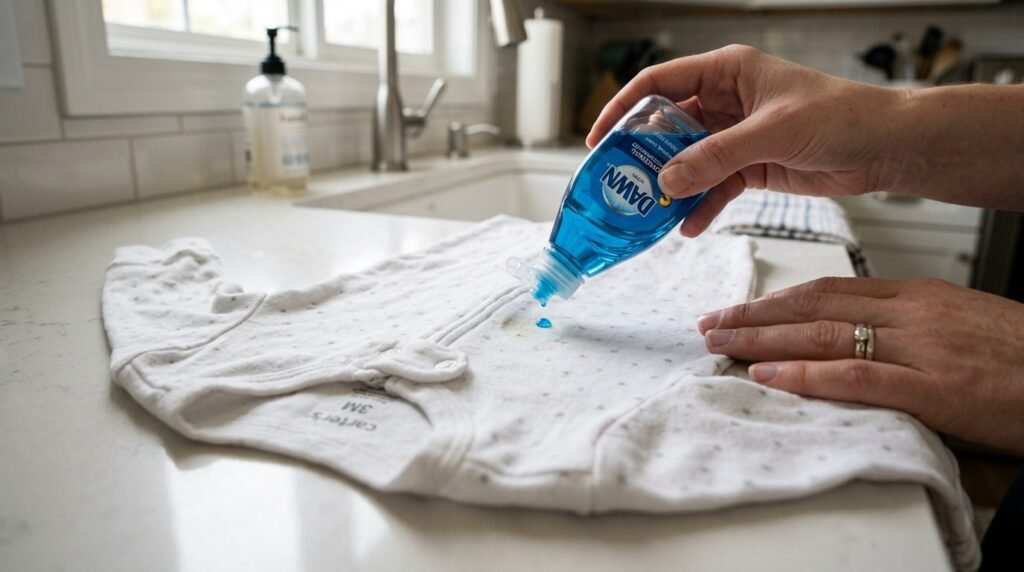
Classic blue Dawn dish soap functions as a master degreaser for household laundry emergencies. Infant formulas contain heavy lipid profiles that bind aggressively to soft woven cottons. When parents ask how to remove yellow milk stains from baby clothes I immediately grab dish detergent. Standard laundry soaps often lack the concentrated surfactants needed to slice through heavy fat deposits. You must apply a tiny drop of blue soap directly onto the dry fabric before wetting it. Rubbing the concentrated gel into dry fibers allows the degreaser to penetrate the lipid layer without water diluting its cleaning power.
I discovered this lifesaver after my son ruined three expensive shirts in one single afternoon. The formula spots looked like greasy transparent rings before turning aggressively yellow. I gently rubbed the blue detergent into the spots and let them sit overnight. The next morning I rinsed them with freezing cold water and the rings vanished instantly. This cheap kitchen staple completely outperformed all my expensive specialty laundry sprays. You only need a microscopic amount to achieve massive results. Using too much soap creates a massive sudsy nightmare inside your expensive high efficiency washing machine during the rinse.
Fresh Spill Strategy
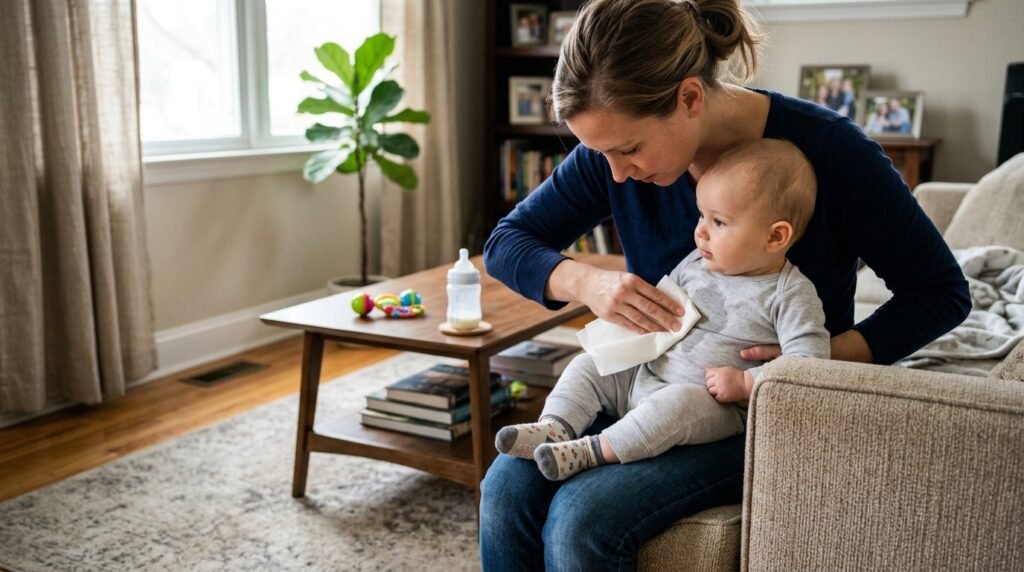
Tackling a mess immediately exponentially increases your chances of total success. You must blot the fresh spill gently with a clean dry paper towel first. Never rub wet milk aggressively because friction pushes the fats deeper into the core threads. Apply the concentrated dish detergent precisely over the damp area using a cotton swab. Let the surfactants digest the fats for exactly fifteen minutes before rinsing. This rapid response completely prevents the oxidation process that causes eventual yellowing. Mastering this quick [internal link: clothing care] routine saves countless garments from hitting the donation bin prematurely every single week.
Deep Fabric Lift
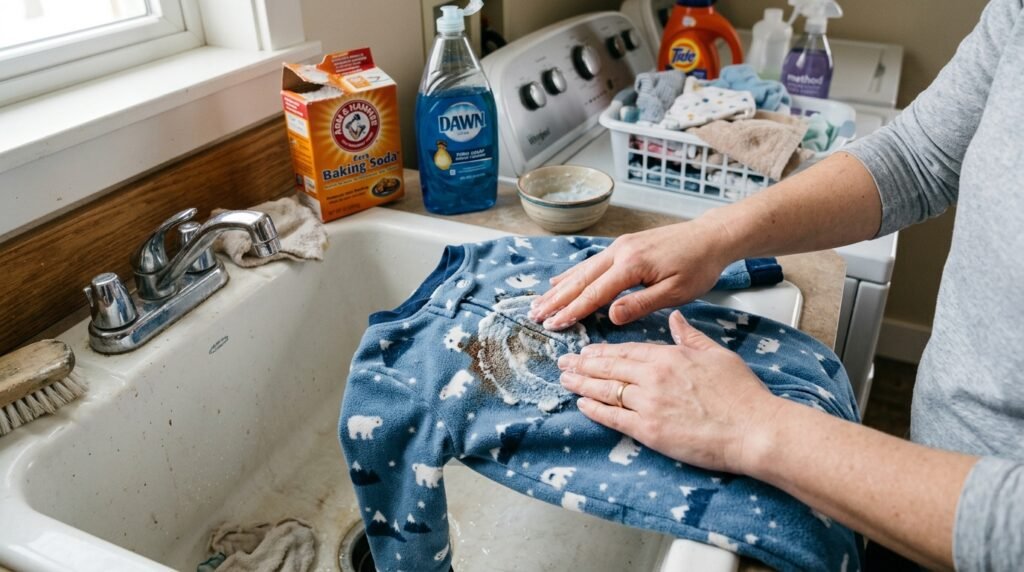
Older greasy spots require a much more aggressive lifting approach to succeed. You must create a powerful lifting solution by mixing dish soap with baking soda. The gentle abrasion of the baking soda helps physically scrape the hardened fats while the soap dissolves them. Scrub this mixture into the old spot using tiny circular motions with a soft brush. I have seen this technique rip year old formula marks right out of thick winter pajamas effortlessly. Always rinse the area with pure cold water until every single bubble disappears completely to prevent any itchy soap residue entirely.
5. Enzyme Wash Power
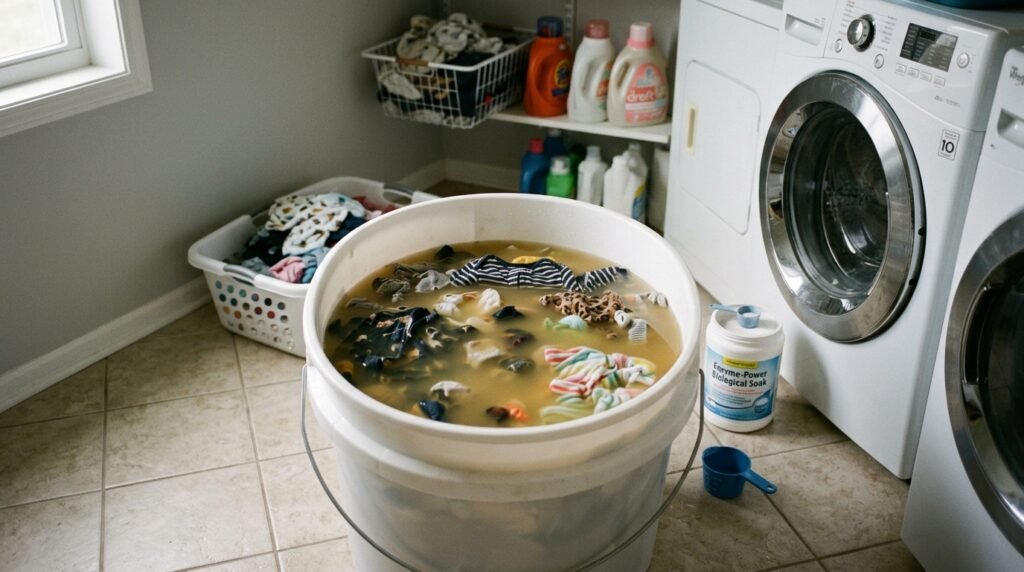
Biological messes require biological solutions to achieve truly permanent removal. Human breast milk contains complex proteins that standard detergents simply cannot digest properly. Enzyme based cleaners utilize active biological agents that literally eat the microscopic organic matter. If you are struggling with how to get yellow stains out of baby clothes after normal washing enzymes are mandatory. You need to purchase a high quality enzymatic cleaner specifically designed for organic pet messes or tough laundry. These specialized formulas contain protease enzymes specifically engineered to break down stubborn protein chains that lock discoloration into your favorite cotton fabrics.
I learned the true power of enzymes while trying to rescue a huge box of donated clothing. The garments smelled faintly of sour milk and featured distinct yellow halos. I soaked the entire batch in a bathtub filled with lukewarm water and enzyme concentrate. You must never use hot water because heat instantly kills the live active enzymes. The garments soaked for two full days while the biological agents consumed the trapped proteins. When I finally ran them through a standard wash cycle they emerged absolutely spotless and smelling perfectly fresh without any harsh chemical odors.
Patience dictates everything when dealing with biological enzymatic treatments correctly. The microscopic organisms require significant time to chew through layers of hardened milk crust. I highly recommend soaking heavily soiled items for a minimum of twenty four hours. Keep a lid over your soaking bucket to prevent the water from evaporating prematurely. If the water drops below sixty degrees the enzymes become sluggish and stop working efficiently. Maintain a comfortably lukewarm temperature for maximum biological activity. This [internal link: specialized washing] technique requires zero physical scrubbing making it perfect for incredibly delicate knits and fragile antique lace trimmings.
Always wash the treated items thoroughly before allowing an infant to wear them. While enzymes are generally safe prolonged direct skin contact can cause mild irritation. A standard cycle with hypoallergenic baby detergent neutralizes and removes the biological agents completely. I strongly advise keeping a spray bottle of diluted enzyme cleaner near your changing table for instant spot treatments. Spritzing the mess immediately gives the enzymes a massive head start before laundry day arrives. This proactive strategy entirely eliminates the need for intense scrubbing sessions later and keeps your entire nursery wardrobe looking flawlessly bright and clean.
6. Baking Soda Scrub
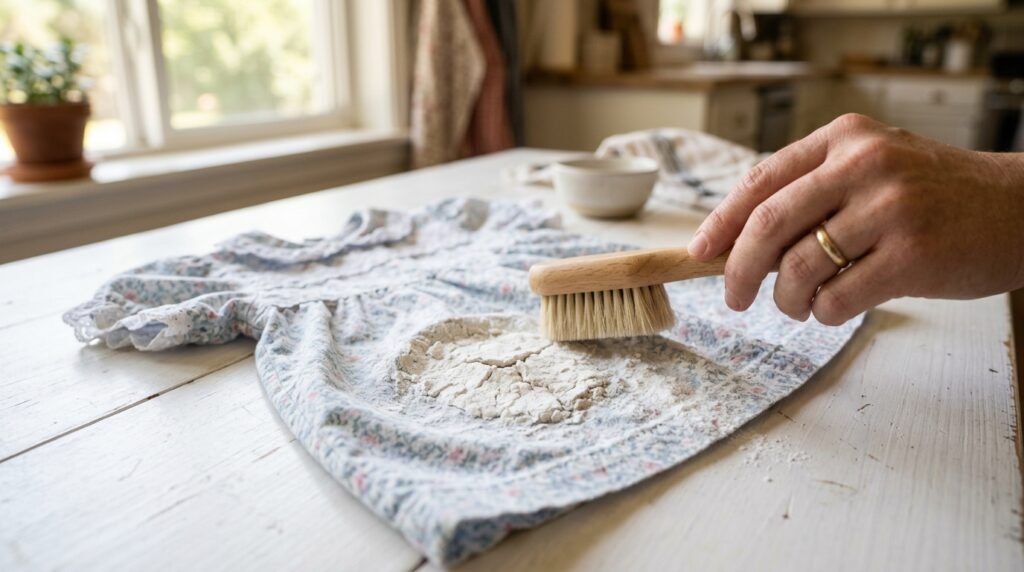
Creating a homemade abrasive paste offers a remarkably safe and highly effective cleaning alternative. Baking soda acts as a mild alkali that gently neutralizes acidic protein soils effortlessly. Many parents successfully utilize this method when searching for how to get stains out of baby clothes home remedies. You must combine three tablespoons of fresh baking soda with one tablespoon of warm water. Stir the mixture vigorously until it forms a thick spreadable frosting consistency. This paste physically lifts dirt particles while simultaneously absorbing foul odors trapped deep within the woven textile fibers of your infant garments safely.
I frequently use this exact technique for delicate items that cannot handle chemical bleaching. Last month I rescued a beautiful silk blend christening gown using just baking soda and patience. You must apply the paste generously over the entire discolored area. Allow the mixture to dry completely into a hard white crust over several hours. As the water evaporates the baking soda actively pulls the yellow pigments up and out of the textile. Once fully hardened simply brush the crust away gently into a garbage can. You will clearly see the fabric underneath looks significantly brighter immediately.
Sometimes stubborn oxidation requires a slightly stronger chemical reaction to break completely apart. You can replace the plain water with hydrogen peroxide to create a dramatically more powerful paste. This combination creates microscopic oxygen bubbles that aggressively attack ancient organic matter. I strongly advise wearing gloves when handling peroxide as it can turn your fingertips temporarily white. Apply this supercharged mixture strictly to white or colorfast cottons to avoid accidental bleaching. This incredibly cheap [internal link: household cleaning] hack easily outperforms luxury detergent brands and removes the toughest yellow rings from delicate collars in under an hour.
Always conduct a thorough cold water rinse immediately following any abrasive baking soda treatment. Leftover powder will make the fabric feel incredibly stiff and scratchy against sensitive skin. I suggest adding a half cup of white vinegar to the final rinse cycle to perfectly balance the fabric ph level. The acid neutralizes any remaining alkaline baking soda instantly. This chemical neutralization guarantees the garments emerge soft fluffy and completely free of any chalky white residue. Mastering these basic household chemical reactions empowers you to conquer any laundry disaster without ever stepping foot in an expensive store.
7. Stored Clothing Rescue

Unpacking boxes from the attic often reveals heartbreaking textile damage previously unseen. You packed them perfectly clean but time and heat caused invisible proteins to oxidize deeply. Dealing with yellow stains on stored baby clothes requires a highly strategic restoration approach. The fibers have weakened over months or years of sitting in fluctuating temperatures. You cannot simply throw these fragile garments into a heavy duty wash cycle and expect survival. We must slowly rehydrate the textiles before applying any aggressive stain removing chemicals. Taking your time during this crucial initial phase prevents catastrophic rips and permanent tears entirely.
Assessing Fabric Damage
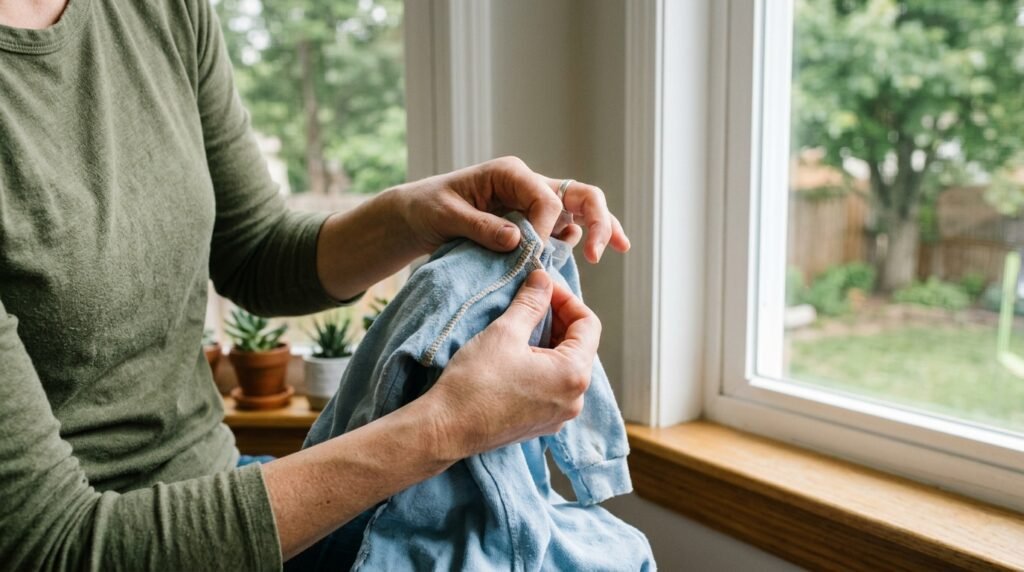
You must carefully inspect every single garment for signs of permanent dry rot first. Give the fabric a gentle tug near the seams to test its structural integrity. If you hear a faint tearing sound the garment is unfortunately beyond safe restoration. Brown stains on stored baby clothes usually indicate severe rust or deep protein burning. Rust requires specialized commercial removers because standard oxygen powders will actually set iron marks permanently. I once destroyed a beautiful vintage romper by ignoring these crucial warning signs. Always separate the structurally sound garments from the extremely fragile pieces before proceeding.
The Double Soak
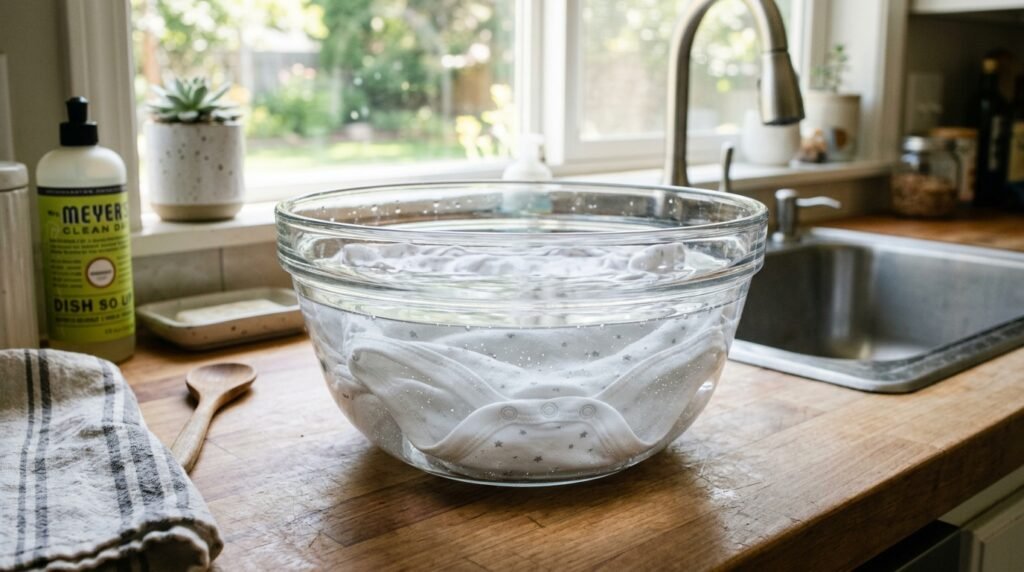
Successfully reviving attic clothes always requires my signature double soaking method. First submerge the items in plain cold water for twenty four hours to rehydrate the brittle threads. After this initial bath drain the dirty water and prepare a strong enzyme solution. Soak the garments again for another full day to slowly digest the oxidized milk proteins. This slow [internal link: textile restoration] process gently coaxes the ancient dirt out without utilizing aggressive mechanical friction. You will be absolutely amazed by how much brown murky water drains away from seemingly clean white storage garments after this double soak.
Proper long term storage techniques completely prevent this massive headache from ever happening again. You must always wash clothing with enzymatic detergent specifically right before packing them away. Never use cardboard boxes because the acidic paper actively contributes to severe fabric yellowing over time. I strongly recommend utilizing ph neutral plastic bins stored in a climate controlled environment indoors. Avoid hot attics or damp basements entirely. Wrapping precious heirloom pieces in archival quality acid free tissue paper provides the ultimate protection barrier. A little preparation guarantees your beloved memories remain pristine for the next exciting family arrival.
8. Post Wash Recovery
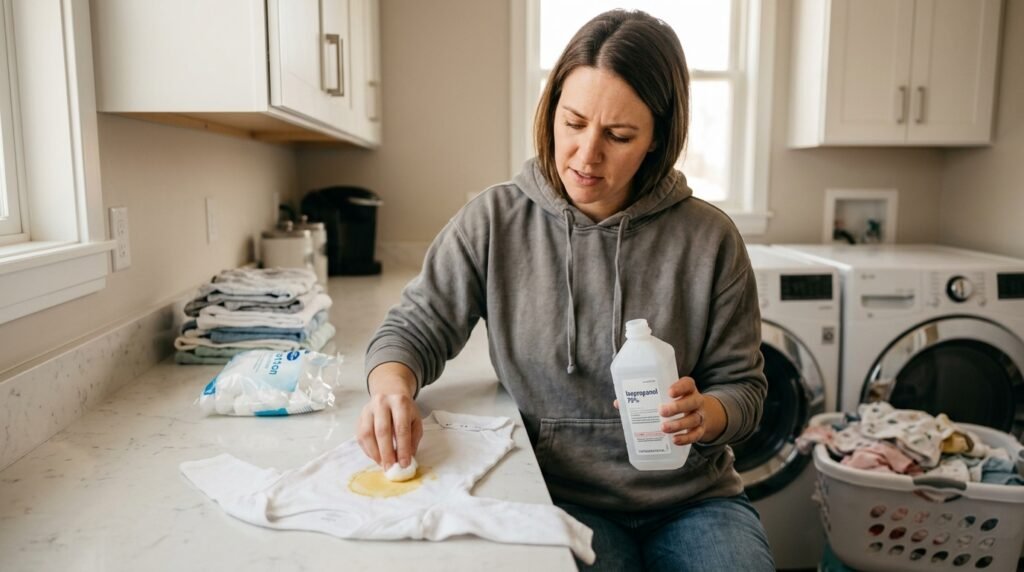
Discovering a set mark right as you pull clothing out of the hot dryer feels devastating. The intense heat literally cooks the biological proteins directly into the cotton core. When determining how to get stains out of baby clothes that have already been washed and dried you must act methodically. Never throw the item back into the dryer until the mark vanishes completely. The first step involves breaking the hardened heat seal using a strong solvent. Standard rubbing alcohol works brilliantly to shatter the baked outer layer of the protein before applying secondary cleaning agents to the fabric.
I use a cotton ball soaked in high percentage isopropyl alcohol to dab the baked mark. You will notice the stiff yellow area slowly becoming soft and pliable again. Once the crust breaks you must immediately apply a thick layer of concentrated liquid laundry detergent. Work this soap deep into the softened fibers using your thumbs. Allow the supercharged soap to sit for roughly thirty minutes. I have successfully utilized this exact strategy to rescue dozens of onesies I accidentally ran through a high heat drying cycle. It takes patience but the results are absolutely worth the effort.
Following the alcohol and soap treatment you must soak the garment in hot water. This is the only scenario where I ever recommend utilizing hot water for organic spots. The alcohol has already broken the protein bonds so the heat now helps extract the dissolved debris. Let the clothing soak until the water turns completely cold. Rinse the item thoroughly and inspect the area under a bright light. If a faint shadow remains you can proceed with a standard [internal link: stain treatment] using oxygen powder. The combination of alcohol followed by hot extraction rarely ever fails me entirely.
Prevention remains the absolute best defense against accidentally baking horrible messes into textiles permanently. Always inspect wet laundry carefully before transferring it into the mechanical dryer. I keep a small dry erase marker on my washing machine to write down which items need special attention. If I am unsure about a spot I automatically hang that garment up to air dry. Air drying never sets spots permanently giving you a second chance at removal later. Implementing this simple habit stops the cycle of ruined clothing and saves you massive amounts of frustration on your busy laundry days.
Frequently Asked Questions
How do you get yellow stains out of old baby clothes? You must utilize a combination of long enzyme soaks and natural solar bleaching to succeed. Old clothing suffers from deep protein oxidation that standard detergents simply cannot penetrate properly. I recommend soaking the garments in a high quality enzymatic cleaner for twenty four hours minimum. After washing place the wet items directly in bright sunlight. The ultraviolet rays naturally destroy the remaining yellow pigments without damaging fragile vintage cotton threads. This dual approach provides the highest success rate for restoring cherished family heirloom pieces that have been trapped inside dark dusty storage boxes for multiple decades safely.
What removes old yellow stains from clothes? An aggressive paste made from sodium percarbonate oxygen powder performs miracles on ancient discoloration. You must activate the dry powder using a tiny splash of warm water to create a thick bubbly frosting. Gently massage this gritty mixture directly into the oxidized fabric using a soft toothbrush. Allow the chemical reaction to bubble away the trapped proteins for at least one full hour. I have noticed this specific compound effectively shatters hardened organic bonds better than any traditional chlorine bleach product. Always follow up with a thorough cold water machine wash to remove all residual chemical powders completely.
Does vinegar remove yellowing? Yes plain white distilled vinegar remains an incredibly effective tool for lifting mild protein oxidation safely. The natural acetic acid slowly dissolves the hardened crusty buildup without weakening delicate woven threads. You should submerge the affected clothing in a mixture of one part vinegar and four parts cool water. Let it soak completely undisturbed for roughly four hours. I always add a tiny drop of liquid dish soap to help the acidic solution penetrate thicker materials faster. This affordable pantry staple provides a fantastic hypoallergenic alternative to harsh synthetic laundry chemicals that often irritate sensitive newborn skin.
How to remove yellow milk stains from baby clothes? Fresh breast milk or formula spills require immediate degreasing action to prevent permanent discoloration later. You must apply a tiny drop of concentrated blue dish detergent directly onto the dry fabric spot. Rub the gel firmly into the fibers and wait fifteen minutes. The powerful surfactants aggressively break down the complex lipid structures hidden inside the milk. Rinse the treated area thoroughly under freezing cold water. I have seen this simple trick completely eradicate severe blowout spots instantly. Never use hot water during this initial phase because high heat instantly cooks biological proteins deep into the core cotton.
How to get yellow stains out of baby clothes after normal washing? When standard washing fails you must introduce live biological agents to digest the remaining proteins completely. Purchasing a dedicated enzymatic laundry additive is absolutely mandatory for these stubborn situations. Fill a basin with lukewarm water and add the concentrated enzyme liquid. Soak the clean but discolored garments for two entire days. The microscopic organisms require significant time to eat the microscopic food sources trapped in the threads. I rely heavily on this passive cleaning method because it requires zero physical scrubbing that might otherwise destroy soft expensive boutique knits or delicate handmade crocheted sweater borders permanently.
How to get yellow stains out of clothes that have been stored for years? Garments stored for multiple years become incredibly fragile and require a gentle rehydration process first. You must soak the brittle clothing in plain cold water for one full day before applying any chemical treatments whatsoever. Once the fibers absorb moisture apply a thick paste of baking soda and hydrogen peroxide directly over the dark marks. The resulting oxygen bubbles gently lift the ancient oxidation without extreme mechanical friction. I always suggest drying these specific vintage items flat on a clean towel rather than hanging them up to prevent the heavy wet fabric from stretching the neckline terribly.
How to get stains out of baby clothes that have already been washed and dried? A hot dryer bakes proteins aggressively making them incredibly difficult but not impossible to remove entirely. You must break this hardened heat seal using strong isopropyl rubbing alcohol first. Dab the stiff discolored area with an alcohol soaked cotton ball until the fabric feels pliable again. Immediately scrub concentrated liquid laundry soap into the loosened fibers. Let this sit for thirty minutes before soaking the entire garment in very hot water. This unique hot extraction method pulls the shattered debris out effectively. I have successfully salvaged dozens of accidentally dried items using this exact chemical combination process.
What causes yellow stains on stored baby clothes? Invisible protein residues from milk drool or skin oils remain trapped in the fabric even after normal washing. These tiny organic particles slowly oxidize when exposed to air and fluctuating storage temperatures over many months. This slow chemical reaction gradually turns the clear proteins into highly visible yellow or brown patches. I have noticed this happens most frequently when parents pack away slightly damp clothing or utilize acidic cardboard boxes for storage. Always ensure garments are bone dry and use ph neutral plastic bins to significantly reduce the chances of encountering this frustrating laundry nightmare next baby season.
How to get old stains out of baby clothes safely? Safety remains paramount when handling garments destined to touch sensitive infant skin directly. You should completely avoid toxic chlorine bleach which weakens fibers and leaves dangerous chemical residues behind. I highly recommend utilizing gentle natural ultraviolet sunlight combined with lemon juice. Spritz the affected collar generously with fresh citrus juice and lay the wet garment outside under direct overhead noon sunlight. The natural solar radiation safely degrades the dark pigments within three hours. This organic approach guarantees the restored clothing remains perfectly soft durable and completely safe for your new arrival to wear immediately after a quick rinse.
How to get stains out of baby clothes home remedies? Mixing three tablespoons of fresh baking soda with one tablespoon of warm water creates a phenomenal homemade abrasive cleaner. You must stir it until it reaches a thick spreadable frosting consistency. Apply this alkaline paste directly over the problematic spots and let it harden completely. As the moisture evaporates the powder physically draws the yellow impurities out of the fabric weave. I frequently utilize this exact cheap remedy to avoid purchasing expensive commercial laundry sprays. Brush the dried crust into the trash and launder the garment normally with cold water to reveal significantly brighter and cleaner cottons.
How do you treat brown stains on stored baby clothes? Brown marks usually indicate advanced protein oxidation or actual rust from metal snaps oxidizing during damp storage. If the spot surrounds a metal button you must purchase a commercial rust remover because standard oxygen powders will actually set iron permanently. For basic brown protein marks I recommend a heavy double soak method. Submerge the garment in an aggressive enzyme bath for forty eight hours. The dark color proves the organic matter has essentially burned into the fibers over time. Patience and extended enzymatic digestion provide the only realistic path forward for saving these severely damaged vintage family items.
How to remove breast milk stains from baby clothes? Breast milk contains unique complex proteins and heavy fats that standard cheap detergents simply ignore entirely. You must attack the lipid layer first using concentrated blue dish soap applied directly to the dry fabric. After breaking down the fats rinse with freezing cold water immediately. Finally treat the remaining protein structure by soaking the item in a dedicated biological enzyme wash overnight. I have found that skipping either of these two specific steps usually results in faint yellow rings reappearing later. Mastering this exact dual action process completely protects your expensive nursery wardrobe from total permanent destruction safely.
Final Thoughts
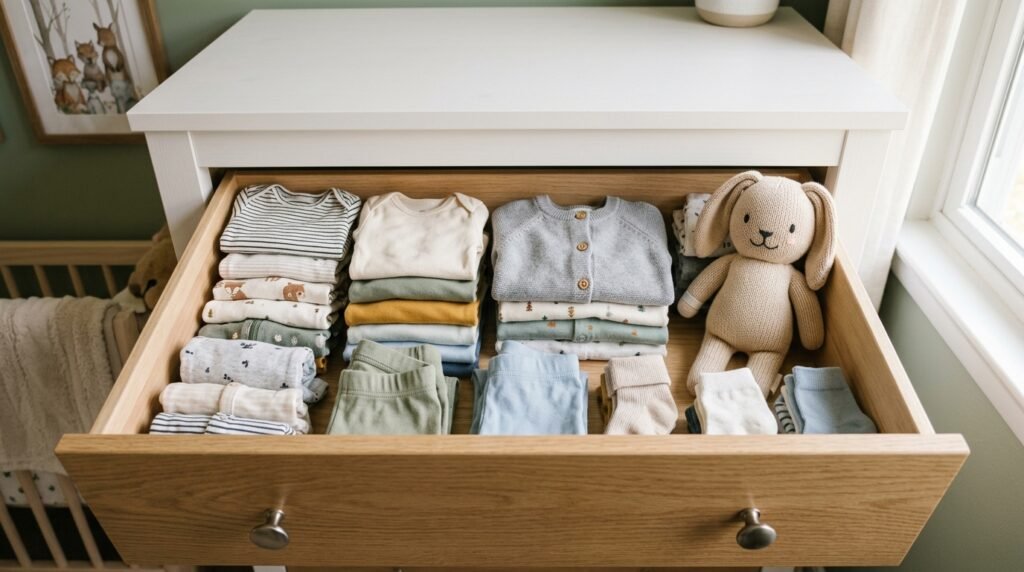
Rescuing damaged infant clothing absolutely transforms how you approach your personal laundry routine forever. You no longer have to throw away expensive boutique outfits just because of a minor formula accident or poor storage choice. I have seen how small changes like these can completely transform a space in your budget by saving hundreds of dollars annually. Try testing the natural sun bleaching method on an old onesie this weekend. Please save this detailed article on Pinterest so you can reference these proven restoration techniques later. Share your successful clothing rescue stories with other parents to spread the knowledge!

Amelia leads HavenlyStyle’s editorial vision with a passion for elegant interiors and practical home living. With years of experience in home décor and lifestyle content, she ensures every article is accurate, inspiring, and easy to follow. From timeless decorating ideas to the latest interior design trends, Amelia is committed to helping readers create beautiful, functional spaces while maintaining HavenlyStyle’s trusted and welcoming voice.