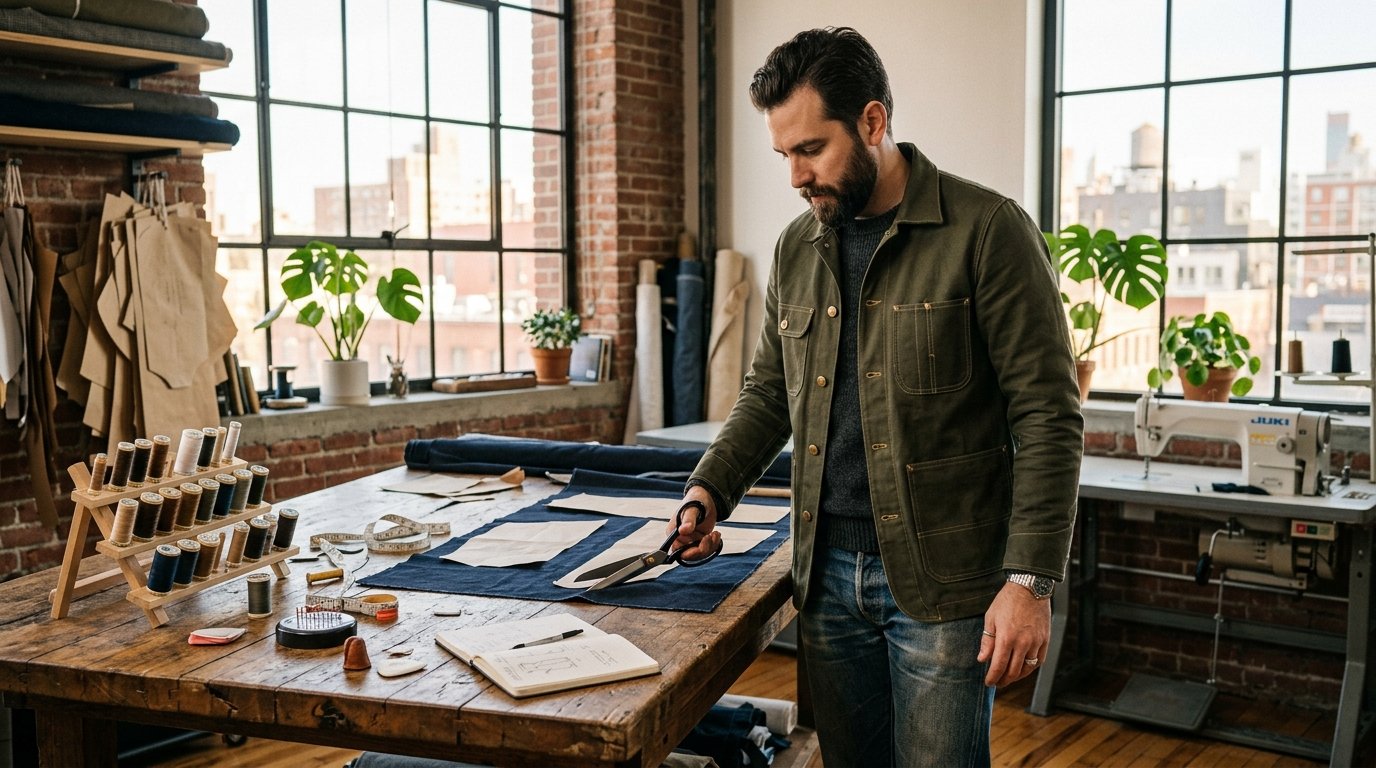
Three months ago I watched my friend John spend four hundred dollars on a single designer overshirt. He wanted something unique that fit his broad shoulders perfectly. The fabric felt incredible but the construction looked surprisingly basic. I told him he could create identical diy clothes men actually want to wear for under fifty bucks. He laughed at me. He assumed homemade garments always look like cheap craft projects with crooked seams. That exact conversation inspired this entire guide. You do not have to settle for poorly fitting store clothes or amateurish sewing results anymore.
Breaking into menswear sewing changes your entire perspective on fashion. You instantly stop paying ridiculous markups for simple cotton garments. In my experience crafting apparel requires specific techniques that most traditional sewing blogs completely ignore. Standard patterns often create boxy shapes that lack modern structure. We are going to fix that problem right now. Through careful fabric selection and precise finishing details you can engineer clothing that rivals high end boutique pieces. I will show you exactly how to master [Internal Link: advanced garment construction methods] today. Nobody will ever guess you made your customized outfit yourself.
Executive Summary
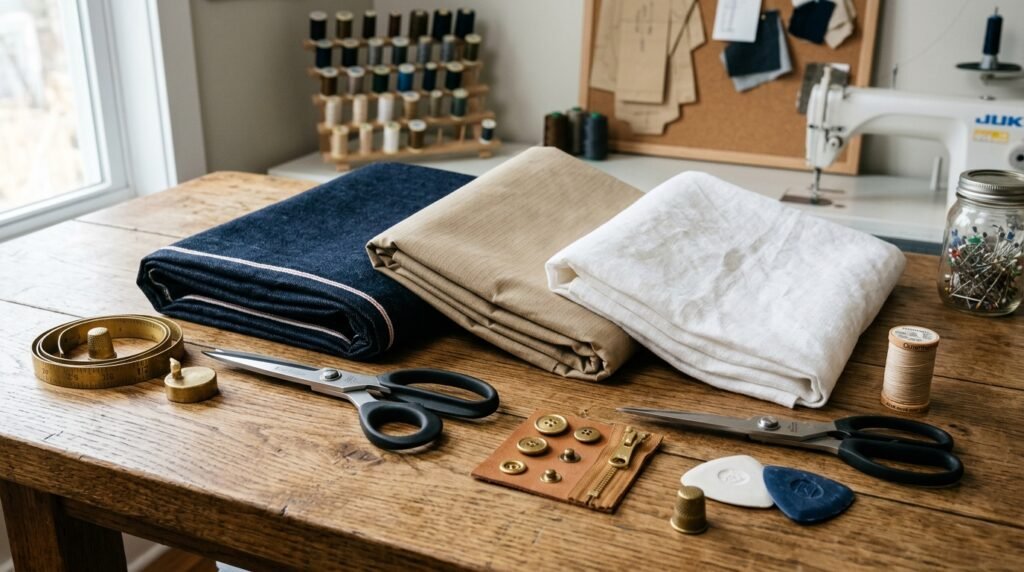
This comprehensive guide promises to transform your approach to custom menswear creation entirely. You will discover five distinct projects that yield professional level results without requiring decades of tailoring experience. We will explore specific fabric weights and hardware choices that instantly elevate basic designs. I have included detailed insights on utilizing tools like the Singer Heavy Duty machine to punch through thick canvas securely. Whether you want to build a rugged chore coat or tailor baggy trousers this blueprint provides the exact framework needed for success. We will intentionally skip overly complicated formal tailoring techniques here.
Many beginners worry that their projects will look sloppy or homemade. I understand that fear completely because my first few shirts looked completely unwearable. The secret lies in understanding how modern streetwear brands construct their garments differently than vintage sewing patterns suggest. By mastering a few straightforward flat felled seams and choosing the right interfacing from Vlieseline you can eliminate that messy amateur look entirely. This is your definitive roadmap to creating a highly respected wardrobe from scratch. Read through every section carefully because the foundational skills build upon each other progressively to guarantee your ultimate sewing success.
1. Minimalist Linen Overshirt

During the summer of twenty twenty two I attempted to sew a lightweight shirt for an upcoming beach vacation. I grabbed cheap broadcloth and rushed the entire process over a single weekend. The result was a stiff uncomfortable disaster that screamed amateur craft project. I threw it away immediately. That failure taught me that fabric drape dictates everything in menswear. I switched to medium weight European linen and slowed down my stitching speed significantly. The second attempt looked identical to a hundred dollar boutique piece. Taking your time with premium natural fibers completely changes the final garment quality.
To execute this project successfully you must focus heavily on the collar construction. Most beginners use the wrong interfacing which results in a bubbly and unprofessional neckline. I highly recommend using a crisp woven interfacing specifically designed for shirt collars. Cut your pieces accurately using a sharp Fiskars Rotary Cutter to ensure perfectly straight lines. Wobbly cutting directly leads to wavy seams that expose your amateur status instantly. Press every single seam with a hot iron before you stitch over it again. This [Internal Link: detailed pressing guide] explains exactly why heat creates a permanent professional shape.
Selecting the right thread makes a massive difference in how your final overshirt drapes. I exclusively use Gutermann polyester thread because it provides exceptional strength without adding unwanted bulk to the seams. Natural cotton thread tends to snap when subjected to the daily stretching of an active lifestyle. For the buttons I strongly advise sourcing genuine horn or corozo buttons instead of cheap plastic alternatives. Upgrading your hardware costs perhaps five extra dollars but it drastically elevates the visual value of your garment. Those tiny tactile details are exactly what separates high fashion from basic homemade crafts.
2. Tailored Cargo Pants
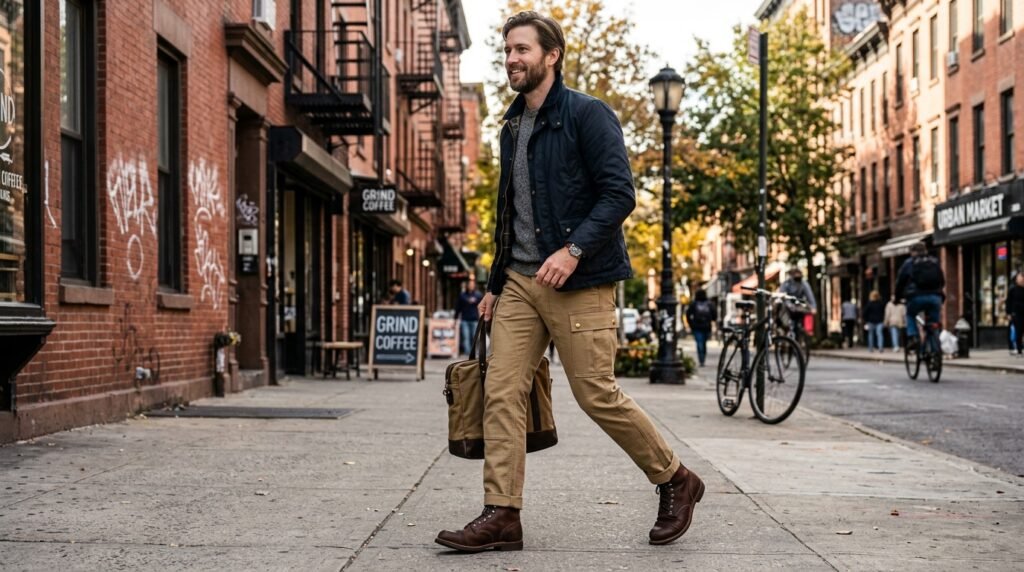
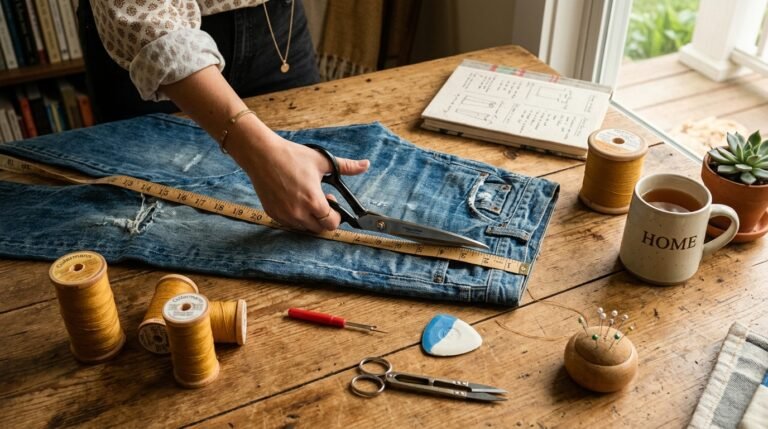
Crafting pants scares many beginners away from taking on larger wardrobe projects entirely. I felt exactly the same way until I realized that pants are just tubes of fabric connected at the crotch. Finding excellent diy clothes for men often starts with taking an old pair of jeans and ripping them apart completely. This reverse engineering method reveals exactly how commercial brands construct their durable seams. You will instantly notice that factory pants utilize twin needle stitching for maximum security. Replicating this double stitch method on your home machine immediately removes that fragile homemade appearance from your trousers.
Cargo pants require durable materials like cotton ripstop to function properly in daily life. I made the mistake of using thin apparel cotton for my first pair of utility trousers. They tore completely open at the knee during a mild hiking trip three weeks later. Now I only purchase military grade ripstop fabrics for these specific lower body projects. You will need sharp Kai Scissors to cleanly cut through these dense woven fibers without causing severe fraying along the edges. Securing the large side pockets requires tremendous patience and exact measurements to keep everything looking perfectly symmetrical.
Flat Felled Seam Magic
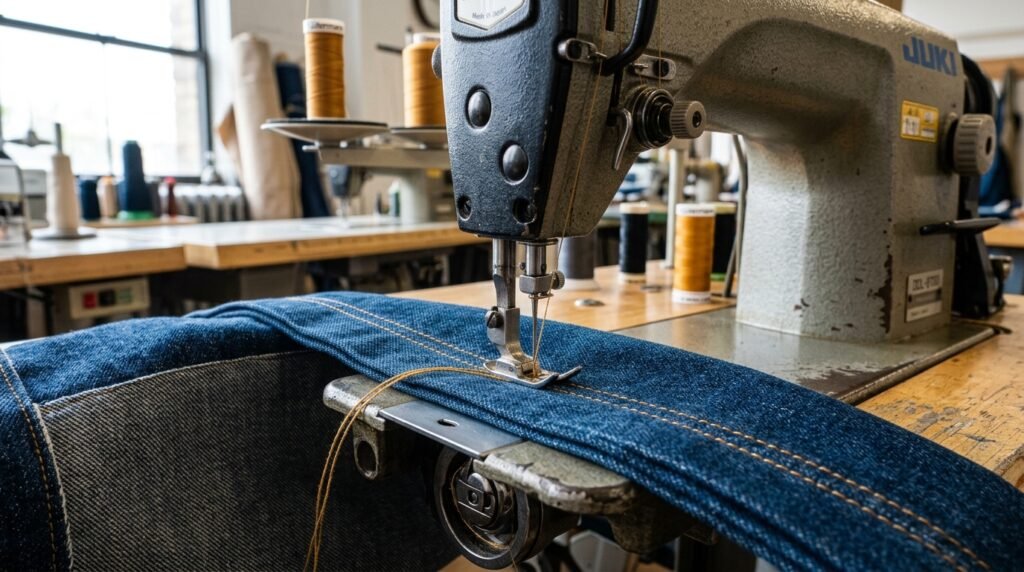
Learning to sew a flat felled seam completely elevates your garment construction skills immediately. This technique encloses all raw fabric edges inside the stitch line itself. You will never have to worry about the inside of your pants fraying in the washing machine again. I highly suggest practicing this specific fold on scrap denim before attempting it on your final project. It requires careful finger pressing and precise topstitching to look aesthetically pleasing on the outside. This is the exact [Internal Link: heavy duty stitching method] used on premium workwear brands that retail for over two hundred dollars.
Adding Hardware Details
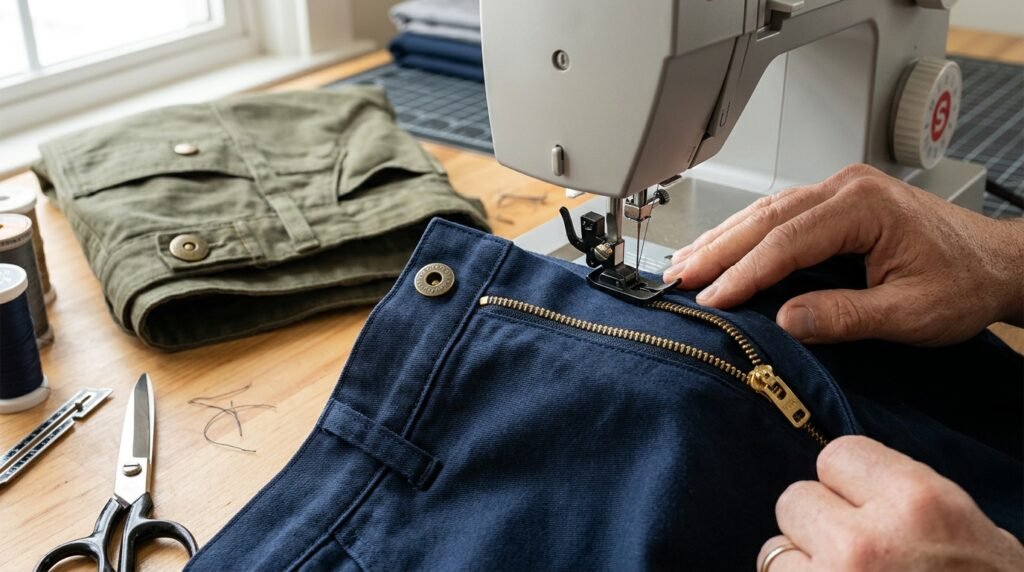
Metal hardware provides the crucial finishing touch that authenticates your custom clothing projects beautifully. Skip the cheap plastic zippers found in basic craft stores entirely. I always order solid brass YKK zippers for my trouser flies because they never break under pressure. Installing a zipper seems terrifying but following a step by step tutorial makes the process incredibly straightforward. Use a specialized zipper foot on your sewing machine to stitch dangerously close to the metal teeth safely. Securing the waistband with a heavy duty metal snap instantly gives your cargo pants a rugged and highly professional appearance.
3. Classic Heavyweight Hoodie
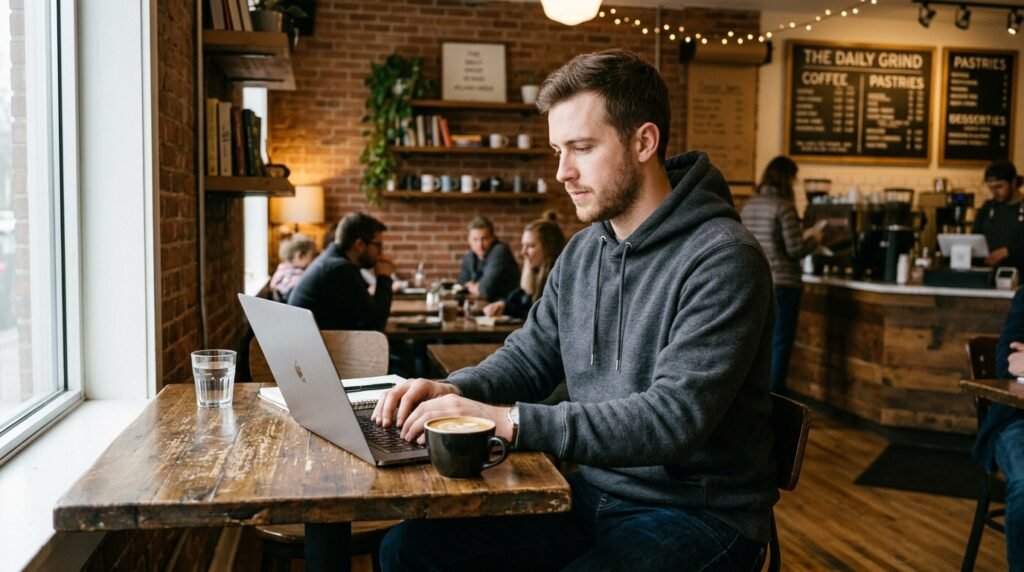
Finding a perfectly fitting hoodie remains an endless struggle for most fashion conscious individuals. Store bought options always feel either too baggy in the waist or irritatingly tight across the chest. Exploring diy clothes guys love usually leads straight to French terry cloth projects. Sewing knits terrifies people who only have standard sewing machines instead of costly sergers. In my experience you can easily sew premium sweatshirts using a simple zigzag stitch on any basic home machine. The trick involves loosening your presser foot pressure so the thick fabric feeds evenly without stretching out of shape permanently.
You must choose your fleece materials carefully to achieve that sought after streetwear aesthetic. Cheap polyester blends pill horribly after just two trips through your standard laundry cycle. Investing in one hundred percent cotton heavyweight fleece transforms a basic project into a luxury garment instantly. I use Clover Wonder Clips instead of traditional metal pins to hold these thick fabric layers together securely. Pins simply bend and distort the heavy material during the sewing process. Before you start cutting your pattern pieces please review this [Internal Link: comprehensive fabric choice table] to select the best possible materials.
| Fabric Type | Weight Profile | Durability Rating | Best Project Match |
| French Terry | Medium Structure | High Performance | Summer Layering Hoodies |
| Heavy Fleece | Heavy Structure | Very High Strength | Winter Pullover Sweatshirts |
| Cotton Jersey | Light Structure | Moderate Strength | Basic Base Layer Tees |
| Poly Blend | Medium Structure | Low Performance | Gym and Workout Gear |
Understanding fabric weight completely changes how your finished clothing items drape on the body. A heavy fleece creates structure that stands away from the chest attractively. I ruined an early project by attaching a heavy rib knit cuff to a lightweight jersey body. The heavy cuffs dragged the thin sleeves downward creating a bizarre distorted silhouette. Always match your cuffing material weight to your main body fabric perfectly. This simple rule prevents your handmade clothes from looking disproportionate and awkward. You will save tremendous amounts of time and frustration by pairing your textiles correctly from the beginning.
4. Upcycled Denim Jacket
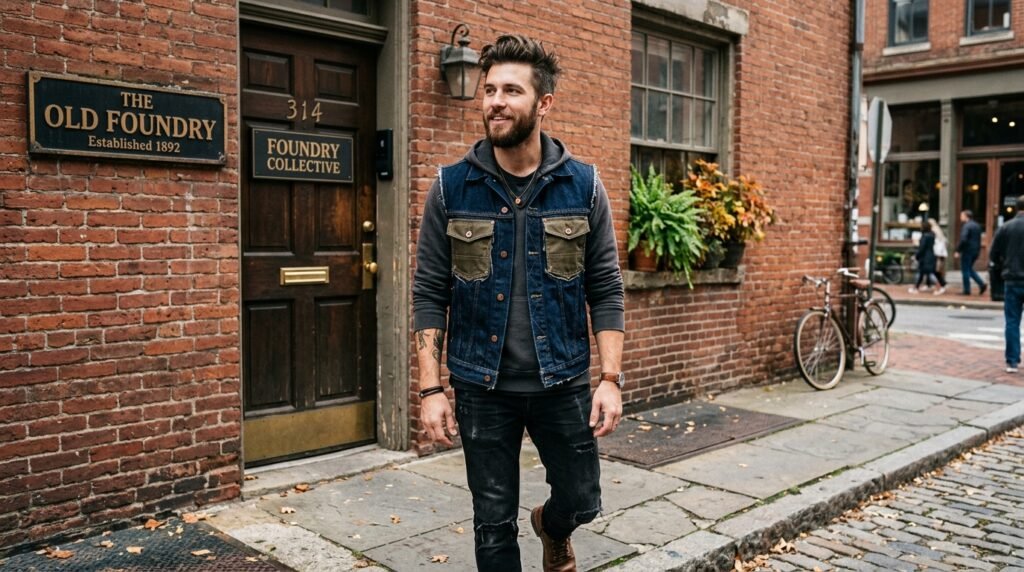
Making outerwear from scratch intimidates even highly experienced home tailors due to complex structural requirements. However upcycling an existing garment offers a brilliant entry point into advanced menswear design. Searching for sustainable diy clothes men ideas led me to experiment with thrifted denim jackets heavily. I once bought a massive faded Levi trucker jacket for twelve dollars at a local charity shop. By carefully removing the bulky sleeves and tapering the side seams I created a custom fitted denim vest. This process teaches you fundamental alteration skills without the intense pressure of cutting into expensive raw textiles.
Customizing the fabric color completely transforms a boring thrifted piece into a striking wardrobe staple. I consistently rely on Rit Dye formulas to achieve deep saturated tones that look professionally manufactured. Overdyeing a light blue jacket with dark olive green dye creates an incredibly rich vintage military aesthetic. You must use extremely hot water and continuous agitation to prevent ugly splotches from forming on the cotton. After dyeing I use Dritz Tailor Chalk to mark new pocket placements accurately before attaching them. Adding contrasting fabric patches creates a rugged workwear vibe that major brands charge hundreds for.
Hardware replacement drastically improves the overall quality perception of your modified outerwear pieces instantly. Those shiny plastic buttons found on cheaper jackets immediately reveal their low quality origins to everyone. I remove them completely and install heavy duty copper tack buttons using a sturdy rubber mallet. This small twenty dollar upgrade makes a thrifted jacket look like a premium Japanese denim import. Always reinforce the buttonholes with a dense zigzag stitch so the heavy metal hardware does not tear through the weakened fabric. Read through this [Internal Link: hardware installation guide] to master these crucial finishing steps properly.
5. Everyday Chore Coat
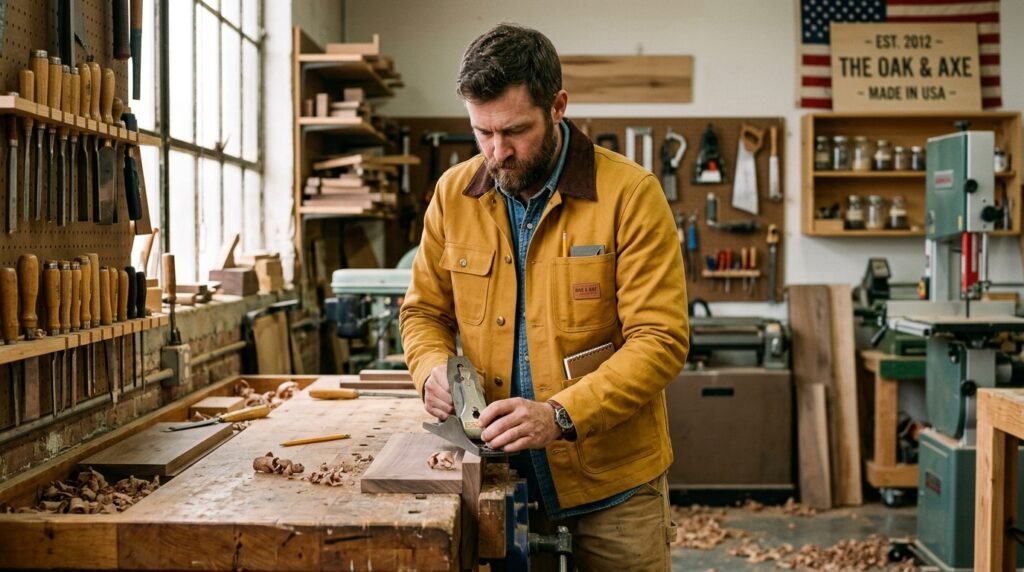
The classic chore coat represents the absolute pinnacle of functional handmade menswear design today. It combines the casual comfort of a cardigan with the rugged durability of a traditional work jacket perfectly. In my experience sewing this specific silhouette teaches you everything about structural garment drafting. I constructed my first chore coat using a rigid twelve ounce duck canvas from a local supplier. The thick material fought my needle constantly until I upgraded to heavy duty denim needles. A well executed chore coat immediately becomes the most complimented piece of clothing in your entire daily rotation without question.
Patch Pocket Precision
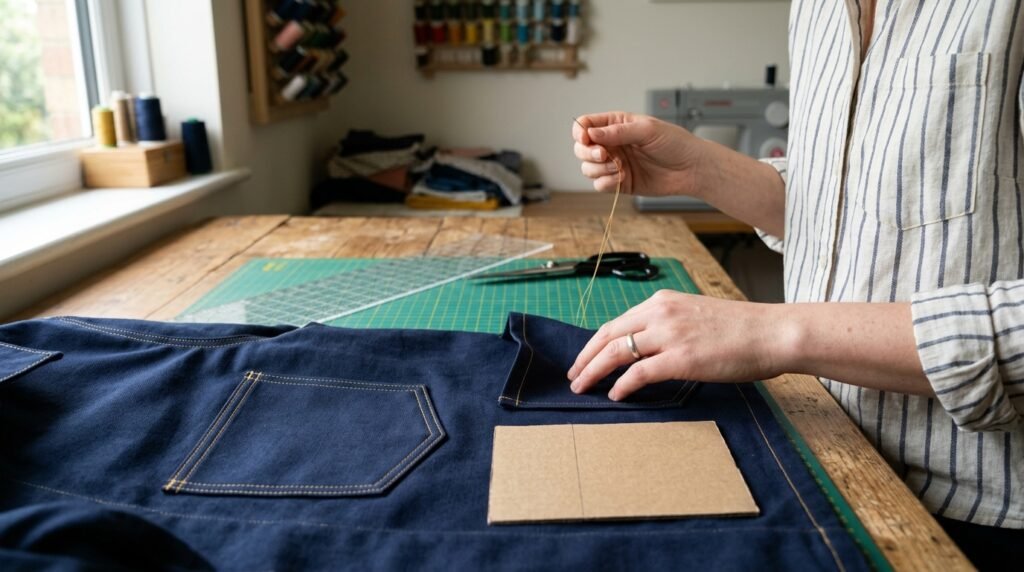
Perfectly aligned patch pockets determine whether your coat looks professionally manufactured or sloppily assembled. I have seen countless beginners ruin a gorgeous canvas jacket by sewing lopsided front pockets hastily. You must use a cardboard template to press the pocket edges cleanly before attaching them to the main body. This extra preparatory step ensures your pocket corners remain sharp and perfectly symmetrical across the chest. Topstitch the pocket edges using a contrasting gold thread to mimic iconic vintage workwear styles authentically. Review this [Internal Link: advanced pocket placement tutorial] to master this highly visible garment detail flawlessly.
Perfecting The Collar
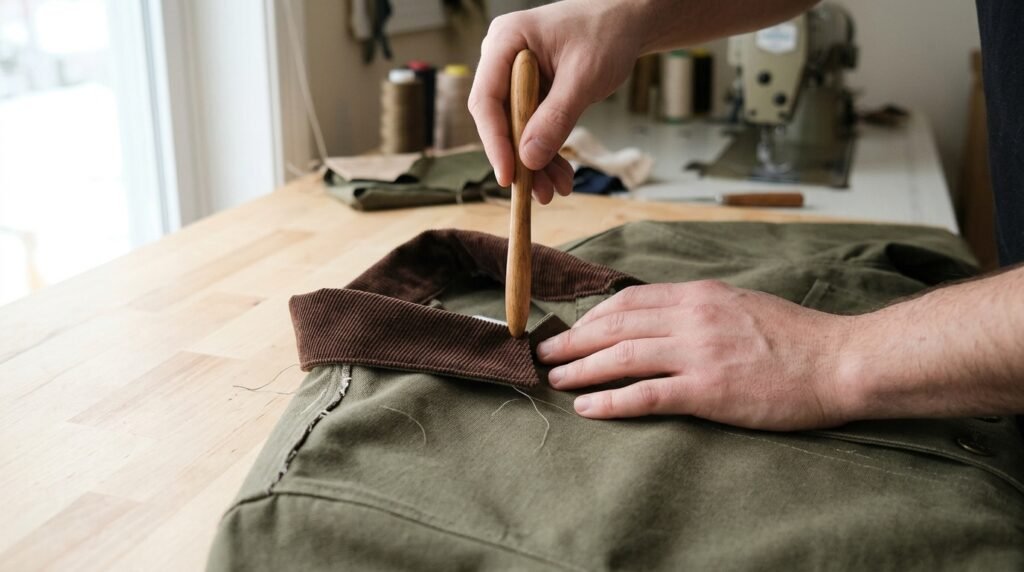
Creating a crisp collar requires significant attention to structural interfacing and careful seam grading techniques. A floppy collar immediately ruins the rugged structured aesthetic that makes a chore coat appealing. I always attach a contrasting corduroy collar to my canvas jackets for a premium tactile upgrade. You must trim the internal seam allowances carefully to reduce bulk at the sharp collar points. Use a specialized point turner tool to push the corners out sharply without poking a hole through the fabric. This tiny step ensures your collar lays flat against the chest looking sharp and highly professional.
Frequently Asked Questions
What is the easiest clothing item for a beginner to sew?
The easiest garment for absolute beginners to tackle is definitely a simple elastic waist trouser. These basic pants require very minimal fitting and completely avoid complicated closures like zippers or buttonholes. You can complete a wearable pair in a single afternoon using inexpensive medium weight cotton fabric. I always recommend starting with forgiving materials that do not stretch out of shape while you sew them. Once you understand the basic construction sequence of connecting legs to a crotch seam you gain immense confidence. This foundational project prepares you perfectly for more advanced tailored garments later on.
Why do my handmade clothes look cheap and unprofessional?
Handmade clothes usually look cheap because beginners skip the crucial pressing steps during garment construction. If you simply sew two pieces of fabric together without ironing the seams flat your clothing will always look lumpy and distorted. Professional tailors spend more time standing at the ironing board than sitting at the sewing machine. You must press every single seam open immediately after stitching it to create crisp structural lines. Upgrading your thread quality and utilizing proper woven interfacing inside collars also dramatically improves the final visual quality of your custom designed menswear projects instantly.
Can I sew heavy denim pants on a regular home machine?
You can absolutely sew heavy denim on a standard home machine if you use the correct specialized accessories properly. You must purchase heavy duty denim needles designed to punch through thick fabric layers without snapping dangerously. I strongly recommend lengthening your stitch length slightly to accommodate the added fabric thickness gracefully. If your machine struggles over bulky folded seams simply turn the handwheel manually to guide the needle through slowly. Using a specialized bulky seam jumper tool prevents your presser foot from getting stuck on thick flat felled seams during your rugged construction process entirely.
How much money does sewing your own wardrobe actually save?
Sewing your own clothes saves significant money when comparing your final pieces to high end designer boutique garments. Creating a tailored chore coat might cost fifty dollars in premium canvas and solid brass hardware materials. Purchasing that exact same quality jacket from a respected heritage brand would easily cost over two hundred dollars today. However you rarely save money comparing your handmade projects to cheap fast fashion basics. The true value lies in achieving a perfect custom fit and utilizing premium sustainable fabrics that will easily survive decades of heavy daily wear without falling apart.
What are the best fabrics for comfortable men’s clothing?
The most comfortable fabrics for daily menswear include medium weight linen and heavyweight cotton jersey knits reliably. Linen breathes exceptionally well during hot summer months and develops a beautiful soft texture after multiple washes. For colder weather I strongly prefer utilizing tightly woven cotton flannel or thick French terry fleece materials. You should avoid cheap synthetic polyester blends entirely because they trap body heat uncomfortably and retain terrible odors permanently. Natural breathable fibers always drape better across the body and provide a much more professional luxurious appearance than shiny cheap artificial plastic textiles do.
How do I measure myself correctly for sewing patterns?
Accurate self measurement requires standing naturally relaxed while wrapping a flexible measuring tape around your body carefully. Do not suck your stomach in or puff your chest out aggressively during this crucial fitting process. You must measure your actual chest circumference directly under your armpits while keeping the tape completely level horizontally. For trousers always measure your true natural waistline rather than where your modern low rise jeans usually sit. I highly recommend having a friend assist you because twisting your torso to read the tape measure naturally distorts the final numeric measurements significantly.
Which sewing machine is best for making menswear?
I constantly recommend the Singer Heavy Duty series for anyone seriously interested in crafting custom menswear at home. Men’s clothing frequently utilizes thick durable textiles like heavy canvas and rigid raw denim. Standard delicate beginner machines simply lack the necessary motor power to punch through these bulky flat felled seams safely. The Singer Heavy Duty handles thick layers effortlessly without skipping crucial stitches or snapping metal needles constantly. While expensive industrial machines offer incredible speed a reliable heavy duty home machine provides everything you actually need to construct professional quality garments successfully every time.
Is sewing your own shirts difficult for beginners?
Sewing a basic shirt becomes incredibly manageable if you follow clear step by step instructions methodically without rushing. The most challenging aspect involves attaching the collar and constructing the button placket accurately. I strongly suggest practicing these specific technical details on cheap scrap muslin fabric before cutting into your expensive premium materials. Many beginners get frustrated when their first collar looks slightly asymmetrical or bubbly. In my experience taking your time and pressing every seam thoroughly reduces these common construction errors dramatically. You will quickly master shirt making through consistent patient practice.
Can I alter existing clothing instead of making new pieces?
Altering your existing wardrobe provides the absolute fastest way to look highly fashionable without spending hours drafting patterns. I completely redesigned my entire closet simply by tapering the baggy legs on my older jeans and chinos. Taking a shirt in at the side seams immediately transforms a boxy unflattering garment into a custom tailored masterpiece. Upcycling teaches you valuable construction techniques because you physically observe how professional factories assemble their retail garments. This practical reverse engineering method builds immense confidence before you eventually attempt sewing a complex original outfit completely from scratch.
What is the most common sewing mistake men make?
The most common mistake involves completely ignoring fabric grainlines during the initial pattern cutting phase. If you cut your pant legs slightly off the grain the finished fabric will twist awkwardly around your calves permanently. No amount of careful pressing or professional tailoring can ever fix a twisted leg seam later. You must align your pattern pieces perfectly parallel to the woven selvage edge every single time. Taking ten extra minutes to measure your grainline properly guarantees your final handmade clothing hangs straight and looks entirely professional from every possible viewing angle.
Final Thoughts and Next Steps
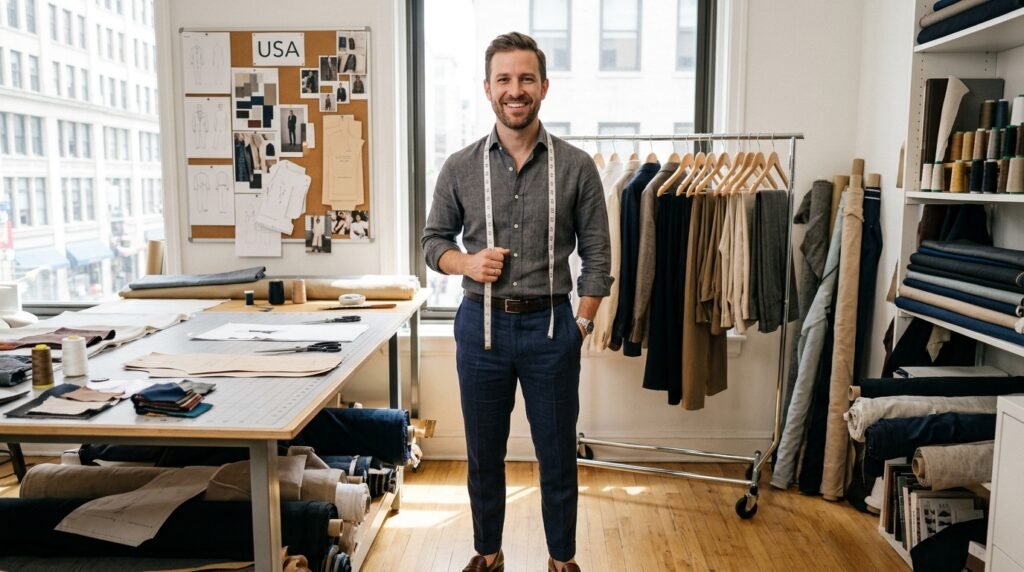
Mastering these foundational projects completely transforms how you view modern fashion and personal style. You no longer have to settle for poorly fitting mass produced garments that wear out quickly. I have seen how small changes like pressing seams flat can completely transform a piece from amateur craft to professional designer quality. Please save this comprehensive guide on Pinterest so you can reference these structural techniques during your next creative sewing session. I encourage you to grab some affordable heavy canvas and start building your custom dream wardrobe today. You are fully ready.

Amelia leads HavenlyStyle’s editorial vision with a passion for elegant interiors and practical home living. With years of experience in home décor and lifestyle content, she ensures every article is accurate, inspiring, and easy to follow. From timeless decorating ideas to the latest interior design trends, Amelia is committed to helping readers create beautiful, functional spaces while maintaining HavenlyStyle’s trusted and welcoming voice.