
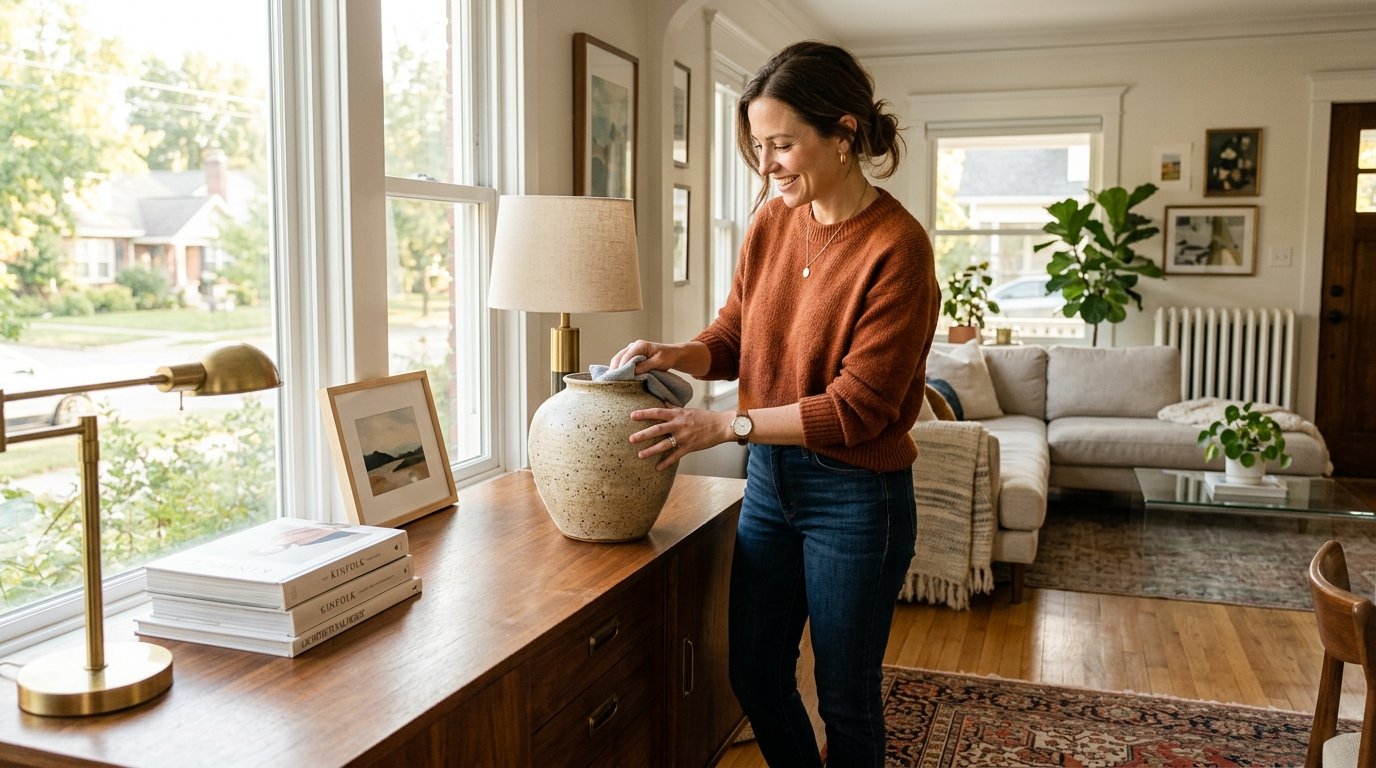
Walking into a crowded shop looking for thrift store home decor feels overwhelming without a clear strategy. You want to spot quality instantly. This saves time while finding incredible pieces that transform your living space entirely. Learning to identify premium materials hidden under dust changes everything about how you decorate. It allows you to build a sophisticated environment on a strict budget effortlessly. Most shoppers simply walk past incredibly valuable items because they cannot recognize the underlying quality hiding beneath ugly cosmetic flaws.
In my experience, understanding exactly what to look for prevents costly mistakes and buyer remorse. We will explore specific methods to quickly assess materials before you bring anything home. You will gain the confidence to build a beautifully curated space using genuine vintage decorating ideas. This approach completely changes how you view sustainable shopping techniques locally. True quality stands out immediately once you train your eyes to spot the right structural indicators. Let us dive into the exact inspection frameworks professional interior designers use daily.
Executive Summary
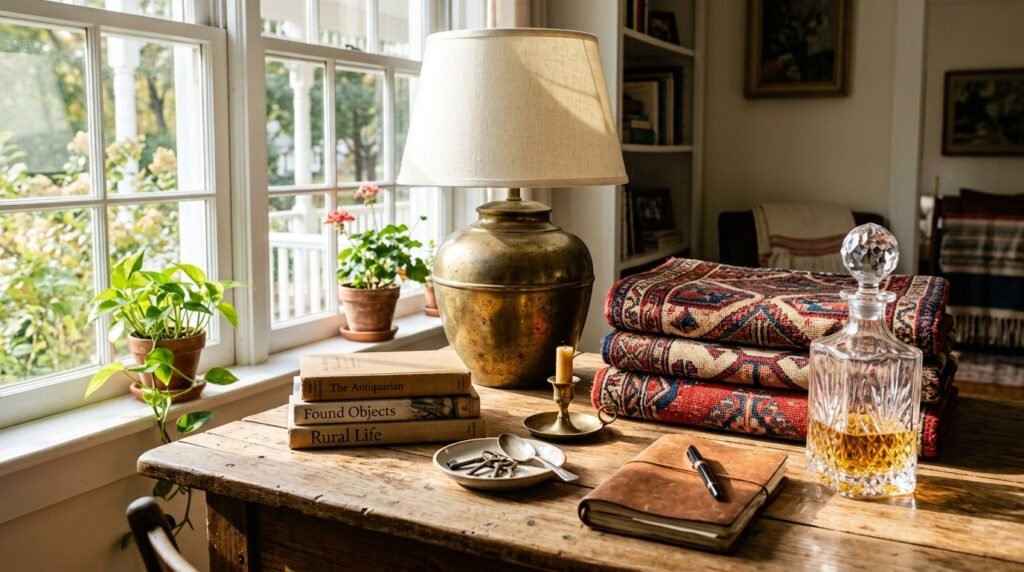
Mastering the art of secondhand shopping requires a trained eye and a specific evaluation framework. You will discover exactly how to separate mass produced modern items from high quality historical pieces. This comprehensive guide provides a structured approach to assessing furniture joints quickly. You will learn to test metal compositions and identify valuable textiles within minutes of arriving. We will cover realistic costs, required restoration times, and exactly which inspection tools you need. Knowing these specific techniques prevents you from wasting money on cheaply made items that break rapidly.
I have spent years making mistakes during my sourcing trips. Now you can bypass the frustration and find the best thrifted home decor available locally. You will learn to evaluate heavy wooden dressers and delicate appliances with complete confidence. Implementing these specific evaluation protocols will dramatically increase your success rate quickly. You will reduce the time spent browsing chaotic aisles while finding superior interior design elements. Prepare to completely revolutionize your approach to sustainable decorating today. You will create a home that looks incredibly expensive without spending a fortune.
1. Solid Wood Furniture Identification
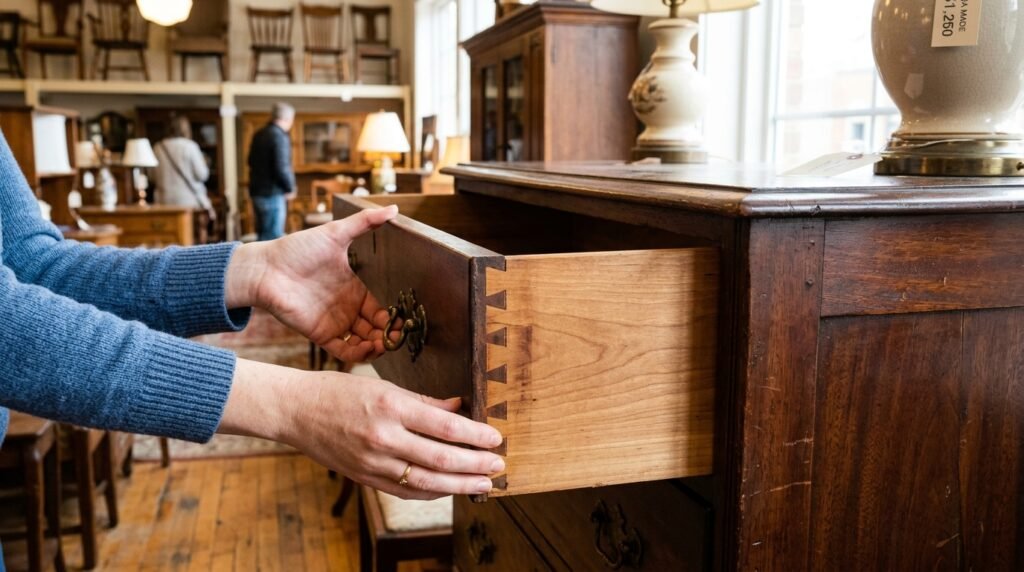
Evaluating wooden pieces requires looking past terrible paint jobs. You must examine the underlying structural integrity and material quality directly. Immediately pull out the drawers to inspect the corner joints closely. Look for traditional dovetail construction methods proving skilled craftsmanship. In my experience, modern factory pieces use simple staples or cheap glue. These inferior adhesives degrade rapidly over time under normal use. True vintage items feature solid wooden panels across the back. They avoid using flimsy particle board or thin cardboard entirely. Checking these specific construction details takes less than sixty seconds. It saves you from buying fundamentally flawed furniture.
Lifting the piece slightly off the floor reveals crucial information. It shows the actual weight and density of the wood used. High quality oak, mahogany, and walnut carry substantial weight naturally. They feel significantly heavier than modern manufactured wood covered in thin plastic veneers. You should run your hands along the bottom edges. Check for peeling veneer or serious water damage ruining structural stability. A small scratch in an inconspicuous area often reveals the truth. You might find beautiful natural wood grain hiding beneath ugly stains. Identifying solid wood ensures your thrift flip decor projects survive.
Beginner Surface Assessment
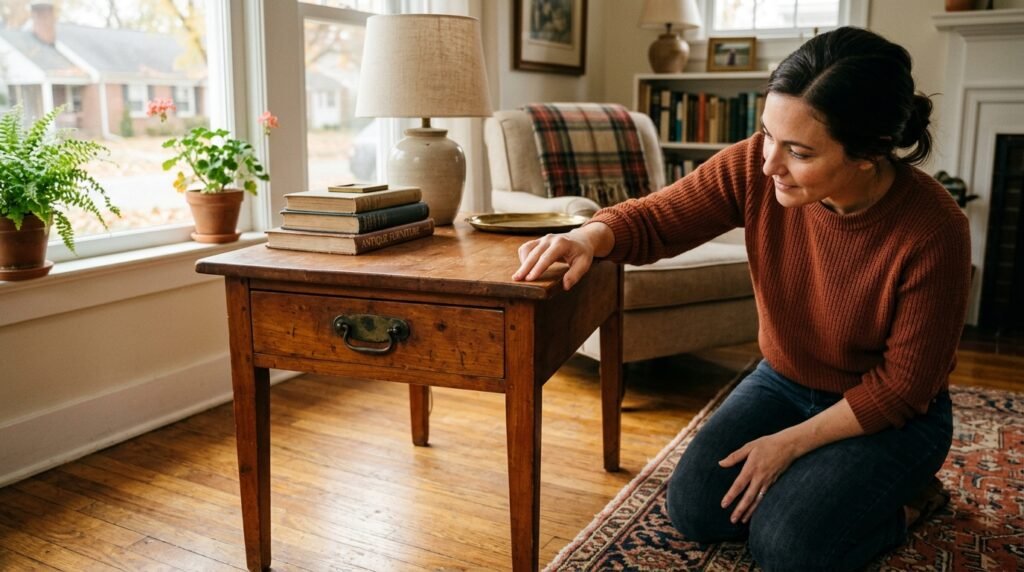
Starting your inspection process means looking for structural wobbles immediately. Apply firm pressure to the top corners of the wooden piece. You want to avoid any furniture that sways dramatically upon touch. Fixing broken internal frames requires advanced carpentry skills and expensive tools. Checking the original hardware provides excellent clues about manufacturing quality. Solid brass handles with natural patina indicate a premium manufacturer. They cared about longevity and intricate details during initial production. Minor surface scratches easily disappear with specialized wood oil. However, deep structural cracks mean you should walk away immediately.
Advanced Joint Inspection
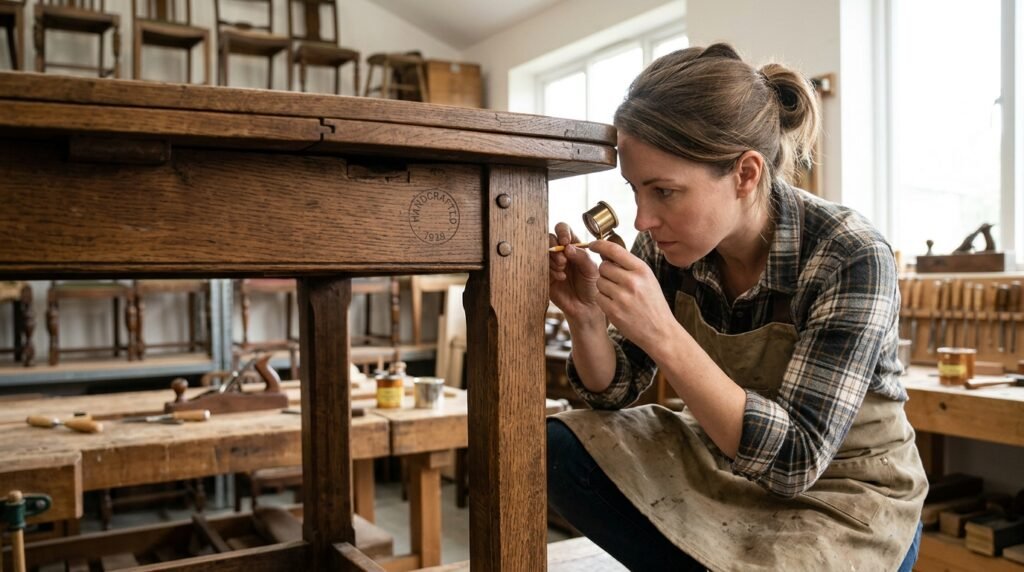
Examining the internal framework separates decent items from incredible heirlooms. These high quality pieces will last for multiple generations easily. You must look underneath tables and inside deep cabinet boxes. Search for original manufacturer stamps or traditional wooden pegs securing joints. In my experience, authentic mortise and tenon joints guarantee premium quality. The piece was assembled by a professional cabinetmaker rather than a machine. Older construction techniques allow the wood to expand and contract naturally. The frame will not split during drastic seasonal temperature changes. Investing time into this detailed inspection guarantees structurally sound investments.
Completing your furniture evaluation means calculating realistic restoration time requirements. You must factor in the cost of heavy chemical strippers. Consider the price of quality sandpaper and premium wood sealers beforehand. Sometimes a piece features incredible bones but requires intense manual labor. You might spend forty hours removing thick layers of industrial paint. I have seen many people abandon ambitious projects out of sheer frustration. They underestimated the massive commitment required for full restoration work. Always choose pieces where the required effort aligns perfectly with your skills. This ensures your thrift decor project succeeds beautifully.
2. Vintage Brass Lighting Fixtures
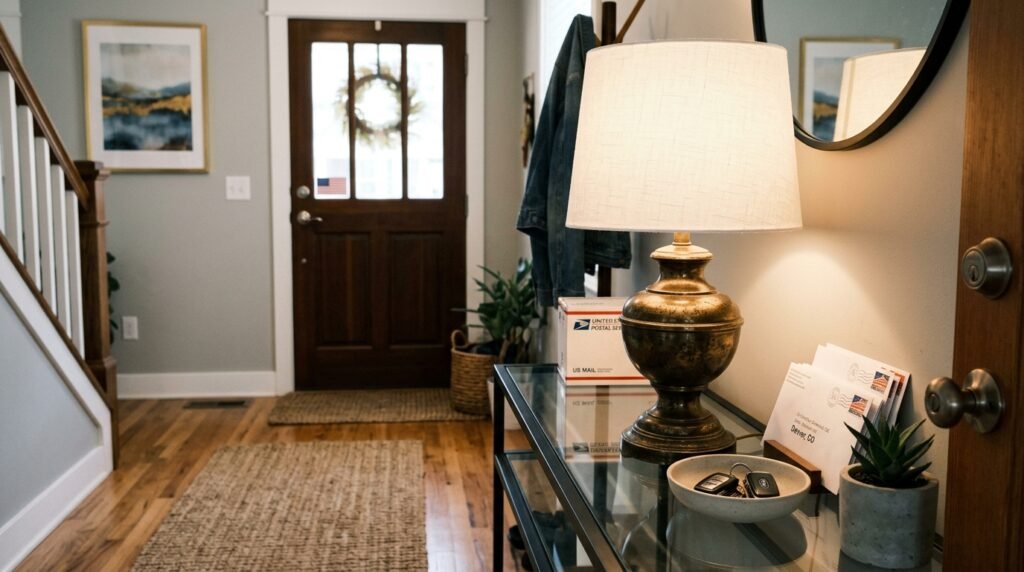
Hunting for incredible lighting requires carrying a small testing magnet. This helps test metal compositions instantly while walking through crowded store aisles. Solid brass will never attract a magnet. Cheap plated steel immediately pulls the magnet tightly against the metal surface. I have noticed many modern reproductions look identical to vintage pieces. They fool you until you apply this simple scientific test for verification. Authentic brass develops a beautiful dark patina over time naturally. It adds immense character and warmth to your residential living spaces. Identifying genuine metal guarantees your investments retain intrinsic value permanently.
Inspecting the electrical wiring remains the most critical safety step. You must complete this before bringing any vintage lamp into your home. Look for brittle, cracked, or exposed internal wires carefully. These pose severe fire hazards when connected to modern electrical outlets. In my experience, completely rewiring a standard table lamp costs very little. It requires only basic hand tools and twenty minutes of time. However, complex chandeliers require professional electrical services quickly. This dramatically increases your total investment cost beyond the initial purchase price. Always factor these mandatory safety upgrades into your overall budget.
Examining the intricate details on the metal base reveals the truth. It shows the true manufacturing era and original quality of the piece. Heavy cast brass features sharp, distinct decorative patterns consistently. Modern stamped metal looks incredibly soft and poorly defined by comparison. You should carefully unscrew the finial at the top. Check for consistent metal quality throughout the entire lighting structure. Finding original glass shades perfectly intact significantly increases the value. Finding exact replacement parts proves exceptionally difficult today. Beautiful lighting completely transforms the atmospheric mood of any room easily.
Cleaning authentic metal requires gentle techniques to preserve the valuable aged appearance. You want to remove decades of accumulated dirt without destroying the finish. Avoid harsh chemical brass polish that strips away the natural oxidation. Collectors highly prize and desire this specific aged look. I recommend using a simple mixture of warm water and mild dish soap. Apply it gently with an ultra soft microfiber cloth. This delicate cleaning method reveals the gorgeous warm tones of the metal. It preserves the historical integrity of the piece perfectly. Properly maintained brass fixtures provide sophisticated elegance reliably.
Integrating these unique fixtures into contemporary spaces creates brilliant visual contrast. This prevents rooms from feeling like generic modern furniture showrooms. Placing a heavily patinated brass lamp on a sleek modern console table works perfectly. It generates immediate visual interest and complex design layering. I always suggest mixing different metal finishes throughout a room intentionally. Do not attempt to perfectly match every single hardware element. This collected approach creates a curated environment that looks organically assembled. Strategic lighting placement highlights your best architectural features beautifully. It provides crucial ambient illumination where you need it most.
3. Authentic Ceramic Pottery Assessment

Flipping ceramic pieces over to examine the unglazed base provides immediate clues. It reveals manufacturing methods and original artist origins instantly. You want to look for hand incised signatures or stamped maker marks. Find the three small stilt marks left from the kiln firing process. In my experience, these subtle physical details separate highly valuable studio pottery. They distinguish them from mass produced department store decorative accessories effortlessly. Heavy pieces with thick, varied glaze applications usually indicate genuine handmade craftsmanship. Learning these identification markers makes thrifting home decor incredibly rewarding. It becomes financially lucrative quickly.
Glaze And Texture Analysis
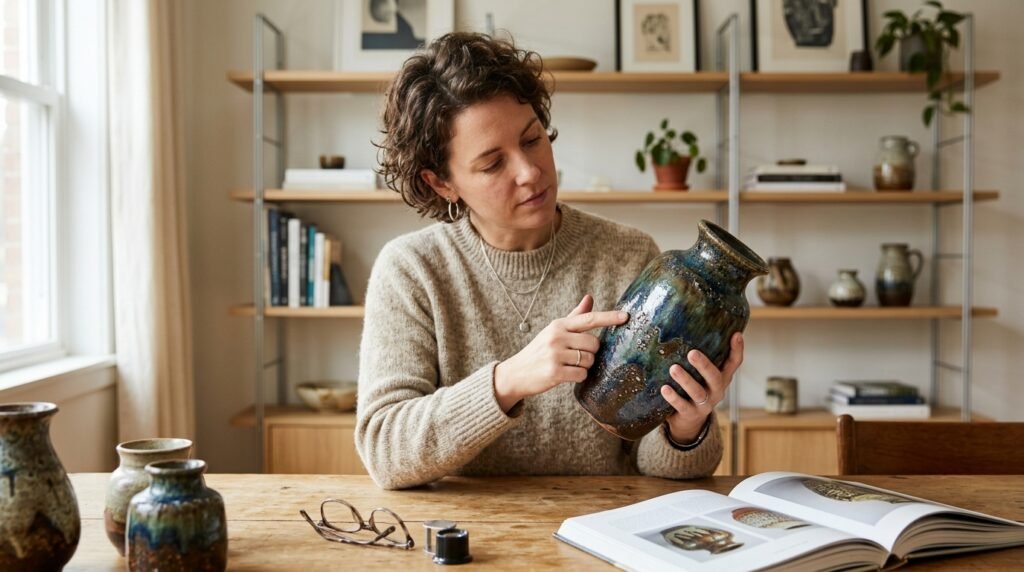
Running your fingers across the ceramic surface reveals the complexity. It shows the depth of the original glaze formulation used during production. High quality vintage pottery often features beautiful drip techniques. You might find volcanic textures or deep crystalline formations catching the light. You must carefully inspect the entire rim and base edges closely. Look for tiny chips or hidden hairline cracks that compromise structural integrity. Finding a completely flawless mid century ceramic vase feels incredibly thrilling. These fragile items rarely survive decades undamaged in regular homes. Unique textural elements bring essential warmth to minimalist contemporary shelving units.
Regional Style Recognition
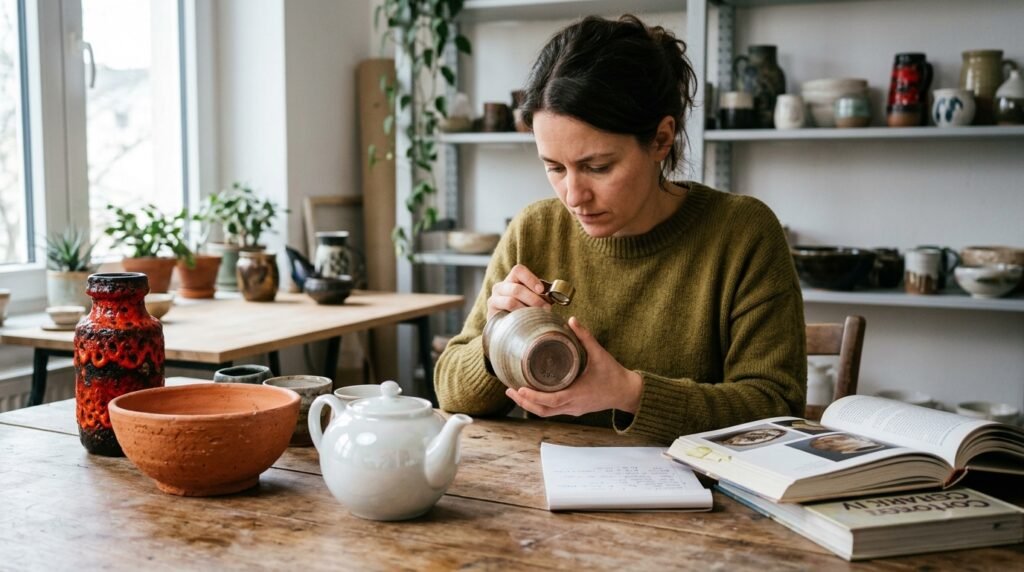
Identifying specific regional clay colors helps pinpoint the exact origin. It reveals the historical significance of the pottery pieces you discover locally. Rich red terra cotta often points toward Mediterranean or Mexican origins. Pure white porcelain indicates refined European or Asian manufacturing techniques. I have spent countless hours studying different regional design motifs. This helps me recognize valuable German fat lava vases immediately. Understanding these geographical characteristics helps you build a cohesive collection. It tells a fascinating global story within your home visually. Curating diverse ceramics creates a highly personalized aesthetic beautifully.
Testing the resonance of larger ceramic pieces involves tapping the side gently. You use your knuckle to hear the resulting sound clearly. A clear, ringing tone indicates the piece remains structurally sound. It proves the item is completely intact without any hidden internal fractures. A dull thud suggests a disguised crack or previous repair job. This drastically reduces the monetary value and functional utility entirely. I always recommend performing this quick auditory test before purchasing large planters. It works perfectly for expensive floor vases meant for your spaces. This diagnostic tool prevents you from accidentally buying compromised items.
Styling your collected pottery requires grouping items with similar tonal qualities. You can contrast shapes to create high impact visual arrangements easily. Mix tall slender vases with wide shallow bowls on your display. This generates appealing dynamic tension on your open display shelving securely. I love using heavy ceramic crocks to store wooden kitchen utensils. It perfectly merges beautiful aesthetics with daily functionality seamlessly. Displaying these unique thrift store finds elevates standard interior styling. It creates a truly bespoke residential design experience immediately. Your curated collections serve as excellent conversation starters when entertaining guests.
4. Retro Kitchen Appliances Sourcing
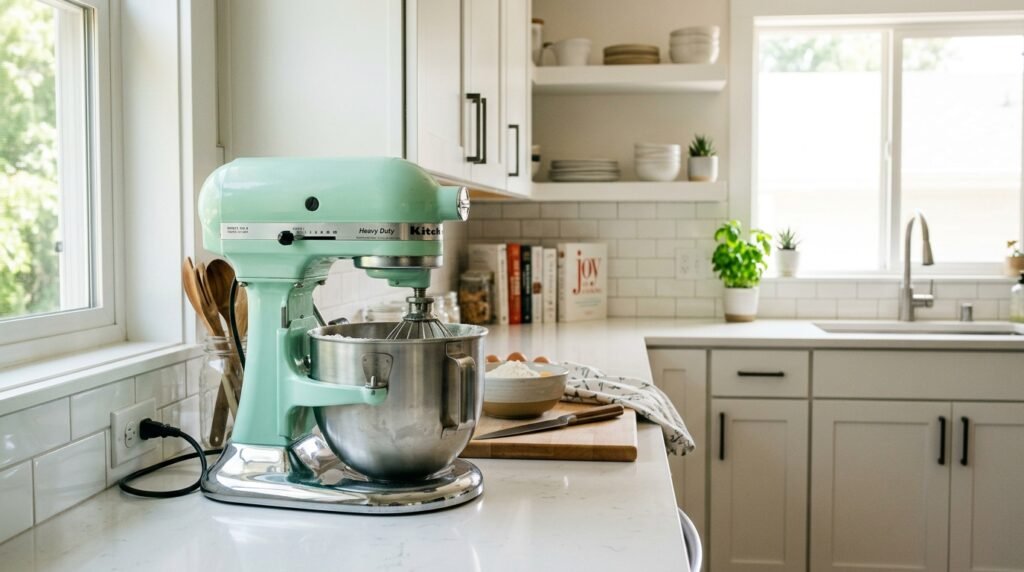
Evaluating mechanical devices for your culinary space requires extreme caution. You need a thorough understanding of historical manufacturing standards and protocols. You must check every single power cord for fraying or exposed wiring. Look for brittle rubber that could cause dangerous electrical fires. In my experience, finding pristine appliances provides incredible aesthetic value visually. However, they demand careful professional safety inspections before regular daily use. Heavy chrome detailing and thick enamel paint finishes characterize superior build quality. Incorporating retro kitchen appliances adds incredible nostalgic charm effortlessly. They transform otherwise sterile modern cooking environments completely.
Testing the actual functionality requires plugging the unit directly into a store outlet. This verifies the motor operates smoothly internally before you buy it. You should listen closely for grinding noises or burning smells. Irregular power surges indicate failing internal mechanical components immediately. Many older blenders and stand mixers feature indestructible metal gears. These vastly outperform the cheap plastic parts used in contemporary models. I always bring a small bag of coffee beans for testing. I test vintage grinders before committing to the final purchase price. Verifying operational status ensures your beautiful aesthetic piece actually performs.
Sourcing replacement parts for specific models often dictates the true value. It determines whether a vintage appliance remains a viable working tool. You must quickly search online databases on your smartphone inside the store. Confirm replacement blades, belts, and glass bowls remain readily available. Popular classic brands usually maintain extensive aftermarket support networks today. This makes long term maintenance surprisingly affordable and relatively simple to manage. I have restored several beautiful stand mixers with inexpensive replacement carbon brushes. I apply fresh food grade grease to bring them back to life. Understanding repairability prevents you from buying gorgeous machines that sit uselessly.
Assessing the cosmetic condition involves checking the heavy enamel paint carefully. Look for deep chips or active rust spots that require remediation. Small scratches add genuine historical character to the vintage piece. Aggressive bubbling paint indicates severe moisture damage that destroys the metal casing. You can easily polish original chrome accents using superfine steel wool. Specific metal polishing compounds restore a brilliant mirror shine quickly. I highly recommend avoiding machines with missing proprietary knobs. Specialized attachments prove absolutely impossible to track down later. Finding a cosmetically sound unit saves you from expensive custom paint matching.
Displaying these heavy vintage machines requires dedicating substantial counter space. You must showcase their bold colors and striking industrial design profiles properly. Allow a beautiful pastel mixer to serve as the primary focal point. A shining chrome toaster can anchor the design of the entire room. I frequently build specific open shelving designed explicitly for this purpose. The shelves handle the intense weight of these solid metal culinary workhorses safely. Mixing classic mechanical appliances alongside sleek modern cabinetry creates a sophisticated aesthetic. It feels timeless and incredibly inviting for everyday family cooking.
5. Original Canvas Artwork Evaluation
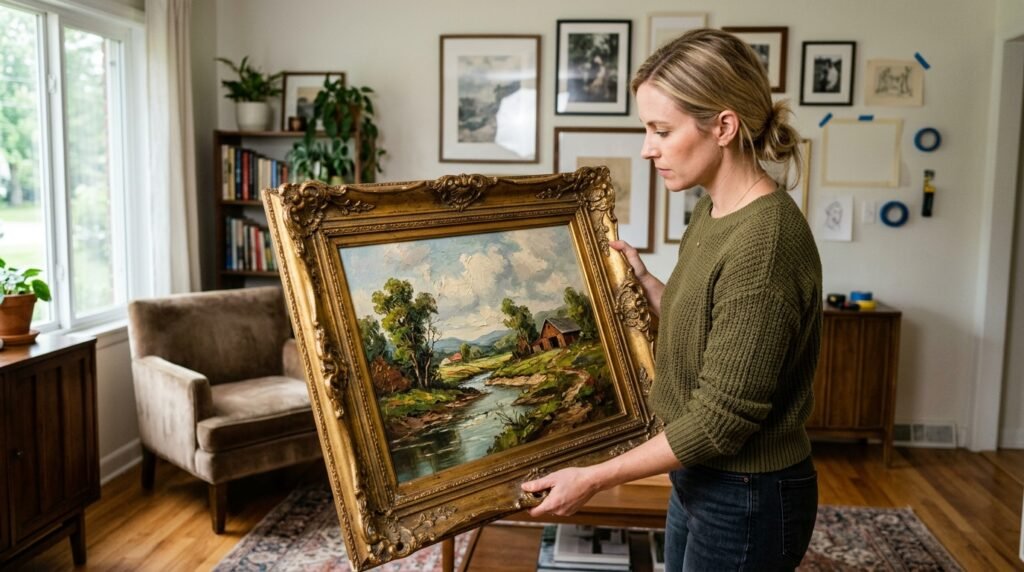
Flipping a painting around to examine the wooden stretcher bars provides crucial information. It tells you about the age and authenticity of the artwork. You should look for naturally darkened wood and rusty nails securely. Find canvas that shows genuine age discoloration along the back edges. In my experience, modern mass produced art utilizes bright white canvas. They use perfectly clean staples holding everything together very tightly. Authentic oil paintings feature distinct brushstrokes holding physical texture. You can clearly see this when viewing the surface from an angle. Finding original art instantly elevates your home aesthetic dramatically.
Analyzing the painting technique helps determine the creator’s true skill level. It shows if the piece was crafted by a trained artist. You want to look for confident brushwork and compelling color mixing. Accurate perspective draws your eye directly into the painted scene organically. Even unsigned pieces hold tremendous decorative value for your home. This applies if the composition feels balanced and the color palette fits. The colors must complement your interior styling and existing furniture beautifully. I always suggest buying art that triggers a strong emotional response instantly. Genuine paintings bring a specific soul that printed canvases simply lack.
Inspecting the frame often reveals just as much value as the painting. The value contained within the wooden or gilded borders is significant. Heavy solid wood frames with intricate plaster detailing frequently cost hundreds. Replicating them through modern custom framing shops breaks the decorating budget. You should check the corners for tight structural joints carefully. Look for original gallery stickers providing provenance and historical context locally. I regularly purchase ugly paintings simply to harvest their incredible antique frames. I use them for my own personal gallery wall display projects. High quality framing instantly makes any thrifted art piece look expensive.
Smelling the artwork provides surprising clues about how the piece was stored previously. It reveals whether it suffered hidden environmental water damage over time. A strong musty odor indicates serious mold issues that can spread. This can cause severe respiratory health problems for your entire family. You must avoid any canvas showing dark blooming spots on the back. Professional art restoration services cost absolute fortunes for simple cleaning procedures. I once passed on a gorgeous landscape because of a deep smoke smell. The odor proved impossible to remove using standard cleaning methods. Protecting your indoor air quality remains paramount when buying vintage items.
Curating a cohesive gallery wall requires mixing different sizes properly. Use various frame styles and artistic mediums to create an organically evolved aesthetic. You should combine traditional oil landscapes with modern charcoal sketches visually. This generates compelling visual tension across your designated display walls beautifully. I recommend laying everything out on your living room floor first. Establish the perfect spatial balance before grabbing a hammer and nails. Hanging original artwork transforms basic drywall into a deeply personal exhibition space. Your walls should tell the ongoing story of your specific tastes. It reflects your patient treasure hunting and unique creative vision.
6. Woven Textiles And Rugs
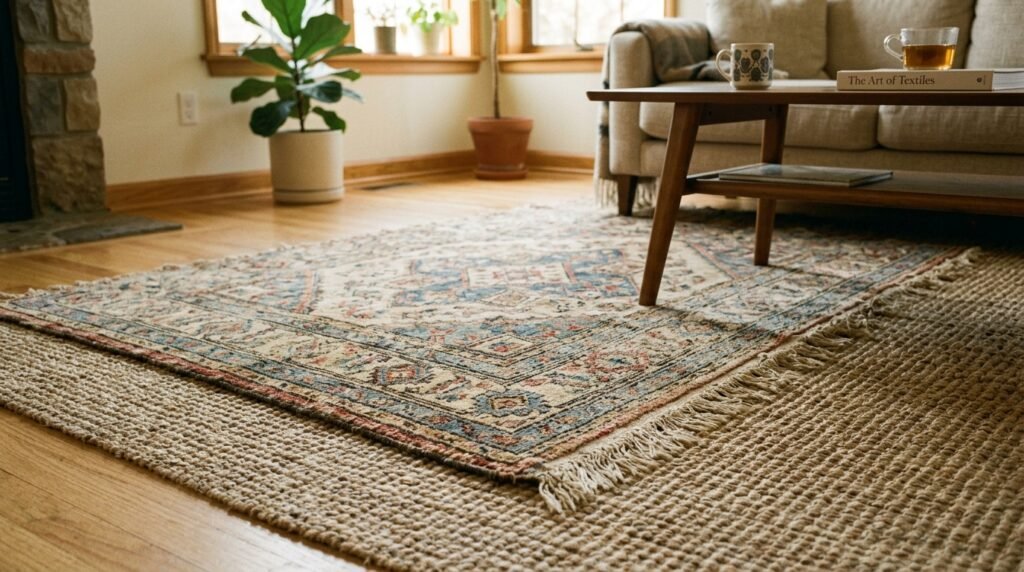
Evaluating vintage textiles requires examining the backside of the rug closely. This determines if it was hand knotted or machine manufactured originally. You will notice that authentic hand knotted rugs feature distinct details. They have slightly irregular patterns and visible individual knots securing the wool. In my experience, machine made rugs show perfectly uniform grid patterns underneath. They often utilize synthetic glues that degrade quickly over time. Finding genuine wool or silk pieces ensures your floor coverings survive. They gracefully withstand decades of heavy daily residential foot traffic securely. High quality natural fiber rugs anchor a room beautifully always.
Smelling vintage fabrics strictly dictates whether the piece safely belongs inside. Some items should remain at the secondhand shop permanently. You must actively avoid any textiles carrying strong odors of pet urine. Deep mildew or heavy chemical mothball preservation treatments ruin rugs entirely. Removing these deeply embedded smells completely often requires expensive professional immersion washing. This professional service usually exceeds the value of the actual rug itself. I always perform a quick fold test to ensure foundation threads remain flexible. Supple foundation threads guarantee the rug can survive regular vacuuming safely. They withstand standard daily usage without dry cracking sounds internally.
Checking the edge bindings and fringe condition helps calculate the immediate restoration costs. You must do this before placing the rug down permanently. Ensure the side wrapping remains tightly secured along the borders. This prevents the internal knots from unraveling across the floor entirely. Minor fringe damage naturally occurs over time through regular sweeping. Aggressive unraveling extending into the primary patterned field requires urgent professional intervention. I have learned how to secure loose edges myself using heavy upholstery thread. This stabilizes beautiful pieces on a strict budget effectively. Proper stabilization ensures your incredible vintage discoveries survive beautifully.
Testing the fiber content involves a highly delicate burn test cautiously. You must safely extract a tiny loose thread secretly for this test. Natural wool simply smolders and smells distinctly like burning hair. It turns immediately into a soft crushable ash between your fingers. Synthetic nylon or polyester materials will rapidly melt when exposed to flame. They produce black smoke and form a hard plastic bead quickly. Identifying pure wool guarantees you purchase a naturally stain resistant material. It ages gracefully while holding vibrant dye colors permanently. Natural fibers bring an undeniable organic warmth to your decorating strategies.
Layering vintage rugs over larger neutral carpets provides an excellent styling method. You introduce complex patterns without overwhelming the entire space visually. Utilize smaller tribal runners in kitchens or hallways for impact. They add intense bursts of saturated color to transitional areas effortlessly. I love placing deeply faded Persian rugs in modern minimalist living rooms. They instantly soften the harsh architectural lines significantly and beautifully. This specific styling technique creates a luxurious, highly layered environment. It feels reminiscent of high end boutique hotels and exclusive private clubs. Mastering textile integration elevates your entire approach to Goodwill finds thrifting home decor.
7. Crystal And Glassware Inspection

Distinguishing genuine lead crystal from standard molded glass requires specific lighting. Hold the piece directly up to a strong overhead light source carefully. You should look for brilliant prismatic color separation shining through the cuts. This indicates a high quality refractive lead crystal composition instantly. In my experience, standard glass appears completely clear without throwing tiny rainbows. The molded edges of cheap glass feel noticeably softer overall. Tapping the rim gently with your fingernail should produce a sustained ring. This bell like sound indicates true premium crystal manufacturing perfectly. Recognizing these subtle optical differences allows you to build a sophisticated collection.
Edge And Surface Verification

Running your fingertip very lightly along every single rim detects damage. It finds microscopic chips invisible to the naked eye quickly. You must reject any drinking vessels with rim damage immediately. Sharp glass edges present a serious safety hazard to your guests. Examining the base for heavy scratching helps verify the actual age. It shows expected historical shelf wear on the bottom surface. I frequently find gorgeous mid century modern cocktail pitchers locally. They simply need a thorough washing to restore their brilliant sparkling clarity. Flawless vintage glassware brings an element of refined elegance to dinner parties.
Manufacturer Mark Identification
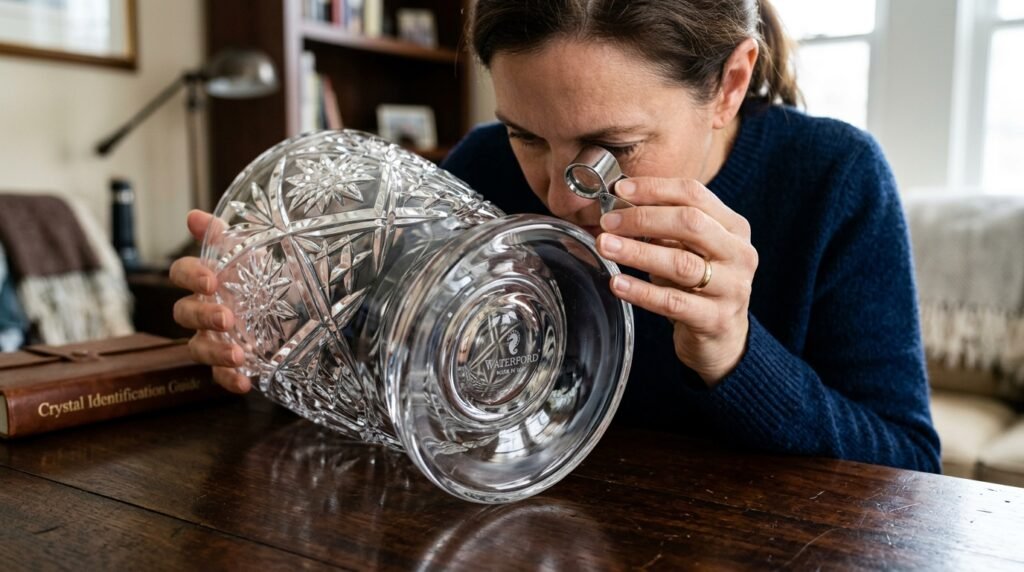
Searching for tiny etched manufacturer signatures requires careful observation. Look on the bottom center of the glass by tilting the piece. You must angle it against dark backgrounds to see the marks. You might discover prestigious names like Waterford, Baccarat, or Orrefors hiding. They sit in plain sight among generic household donation bin items. I carry a small jeweler’s loupe specifically to read these microscopic brands. The acid etched marks guarantee exceptional quality and significant monetary value. Finding these signed pieces validates your hunting process entirely. Premium glassware transforms an ordinary Tuesday evening dinner into a celebrated occasion.
Checking for cloudy discoloration known as glass sickness remains a critical step. You must do this before buying any antique decanters or display pieces. You must realize that this milky white haze occurs from harsh detergents. Dishwashers permanently etch and damage the glass surface irreversibly. No amount of scrubbing will remove this chemical damage ever. The actual molecular structure of the glass has been fundamentally altered. I only purchase crystal clear items to ensure they catch ambient room lighting. Pristine transparency guarantees your vintage glass collection looks intentionally curated. It prevents your display from looking haphazardly gathered or cheaply acquired.
Styling your discovered glassware on a mirrored brass tray creates glamour. It becomes an incredibly glamorous focal point for any dining room sideboard. You should mix different heights, patterns, and historical eras together. Build a customized bar setup reflecting your personal aesthetic tastes beautifully. I always recommend using these beautiful pieces daily without hesitation. Do not hide them away in dusty cabinets waiting for special occasions. Incorporating elegant vintage glass into your regular routines brings continuous joy. It maximizes the value of your thrift store finds significantly. Surrounding yourself with beautiful historical objects dramatically improves your daily living experience.
Frequently Asked Questions
What are the best days to find premium thrift store home decor locally? Finding the best merchandise requires visiting shops early on Tuesday or Wednesday mornings. This happens right after the staff processes weekend donations completely. Most people drop off massive furniture loads on Sunday afternoons. The processing team needs Monday to organize everything properly. In my experience, beating the weekend crowds gives you exclusive first access. You find high quality solid wood pieces and valuable retro kitchen appliances. Developing a friendly relationship with store managers reveals their weekly restocking schedules. Consistent mid-week visits dramatically increase your chances of scoring incredible interior design pieces.
How do I safely sanitize upholstered thrift decor before bringing it indoors? Sanitizing secondhand upholstery requires a multi-step approach beginning with a deep vacuuming session. Use a heavy duty HEPA filter attachment to remove surface dust. You must leave the item outside in direct sunlight for several hours. Natural ultraviolet rays naturally destroy lingering odor-causing bacteria safely. I always recommend using a commercial grade steam cleaner. Fill it with an enzyme based solution to extract embedded dirt safely. If the piece smells heavily of smoke or pets, call a professional. You should strongly consider paying a professional upholstery cleaning service immediately. Proper sanitation guarantees your vintage decorating ideas remain healthy.
Is it worth buying scratched wooden furniture for a thrift flip project? Purchasing scratched wooden furniture absolutely makes sense under specific conditions. The structural joints must remain entirely solid and the damage must be superficial. You can easily remove shallow surface scratches using a simple walnut rub. Specialized pigmented wood oil designed for restoration works wonders quickly. In my experience, deep gouges requiring heavy wood filler usually ruin aesthetics. They destroy the natural grain and demand a full paint job instead. Always check that the underlying material is actual solid wood. Avoid cheap particle board before committing to the purchase. High quality bones always justify investing your time.
How can I identify authentic vintage brass versus cheap modern reproductions? Identifying genuine vintage brass instantly requires keeping a small magnet in your pocket. Carry it during all your weekend shopping excursions locally. A magnet will never stick to solid brass under any circumstances. It immediately clings tightly to cheap steel items coated in metallic paint. I always look for a natural, slightly uneven dark patina. It develops organically over decades of standard environmental exposure. Modern factory reproductions usually feature incredibly uniform, artificially applied darkening. They look entirely fake under harsh store lighting. Testing the metal guarantees your thrift store finds retain actual financial value.
What specific retro kitchen appliances are actually safe for daily use? Utilizing vintage culinary equipment safely means sticking strictly to mechanical devices. Look for stand mixers, manual burr grinders, and heavy blenders. You should generally avoid older heat-producing appliances like vintage toasters entirely. Do not use old percolators unless a certified electrician has completely rewired them. In my experience, classic KitchenAid mixers contain superior metal gears internally. They easily outlast the plastic components found in modern models. Always inspect power cords for brittle rubber or exposed wires carefully. Check everything before plugging anything into your kitchen wall outlets. Safety must always precede aesthetics when decorating with vintage items.
How much should I negotiate prices on thrifted home decor items? Negotiating prices depends entirely on the specific retail environment you visit. Charity shops usually maintain strict, non-negotiable fixed pricing models daily. However, independent antique malls or local flea markets fully expect counteroffers. Customers usually offer ten to twenty percent below the listed tag safely. I have noticed that respectfully pointing out specific damage helps. Mentioning required restoration work often helps justify a lower counteroffer smoothly. Bundling several smaller items together gives you excellent leverage at checkout. Always remain polite and prepared to walk away if necessary. Ensure the final price never exceeds your established budget.
What tools should I bring when hunting for thrift store finds? Building a proper inspection kit dramatically improves your ability to assess purchases. You can evaluate potential items quickly and accurately in crowded store aisles. You need a reliable tape measure and a strong pocket flashlight. Bring a small magnet and a jeweler’s loupe for checking tiny manufacturer marks. In my experience, carrying a soft microfiber cloth helps immensely. You can wipe away thick dust to reveal the true condition of ceramics. Having exact room dimensions saved on your smartphone prevents disastrous purchases. You avoid buying massive furniture that simply cannot fit inside. Preparation separates casual shoppers from highly successful curators.
Can I fix a wobbly wooden chair I found at Goodwill? Repairing a structurally compromised dining chair requires completely disassembling the loose joints. Do not just forcefully inject more wood glue into the cracks. You must carefully scrape away all the old, crystallized adhesive first. Apply fresh premium wood glue and clamp the frame tightly overnight. I have seen many DIY beginners attempt to fix wobbles with metal brackets. This ultimately destroys the historical value and aesthetic appeal entirely. If the actual wooden tenons are broken or severely cracked, walk away. Complex structural repairs demand advanced carpentry skills that most casual shoppers lack.
How do I tell if a vintage rug is hand knotted or machine made? Flipping the textile over reveals the absolute truth instantly. Hand knotted rugs feature distinct, slightly irregular colored knots forming the pattern. Machine manufactured carpets present a perfectly uniform, rigid grid structure underneath. They often utilize a heavy canvas backing to hide synthetic glue. In my experience, genuine hand knotted wool rugs remain incredibly supple. They fold easily without producing dry cracking sounds internally. You should also check the fringe carefully. Authentic fringe consists of the actual structural foundation threads extending outward naturally. Investing in handmade rugs provides lasting durability and significant acoustic benefits.
What is the best way to remove Goodwill price tags without damaging items? Removing stubborn adhesive tags requires immense patience to prevent accidental damage. You want to avoid ripping away delicate vintage paper labels or fragile wood veneers. You should utilize a standard hair dryer on medium heat safely. Gently soften the industrial glue before peeling the sticker slowly. In my experience, applying a small amount of natural citrus oil works perfectly. It dissolves residual stickiness perfectly on glass, ceramic, and solid wood surfaces. Never use harsh metal razor blades on painted furniture or delicate canvas artwork. You will undoubtedly cause permanent scratches. Gentle heat remains your absolute best tool for preservation.
Are vintage ceramic dishes and pottery safe for serving food today? Utilizing older ceramics for daily food consumption carries serious hidden health risks. Many vintage glazes contained dangerous levels of heavy lead historically. You must purchase simple home lead testing swabs online immediately. Verify any questionable plates or bowls before serving hot family meals. I strictly use brightly colored mid century pottery exclusively as decorative pieces. They serve as beautiful key drop bowls to ensure complete home safety. Acidic foods like tomatoes or citrus quickly leach toxic chemicals from glazes. Prioritizing modern dinnerware for eating allows you to enjoy vintage aesthetics visually. You eliminate health concerns completely.
How do I mix thrifting home decor with modern furniture seamlessly? Blending different eras successfully requires maintaining a cohesive color palette throughout. This bridges the visual gap between antique and contemporary pieces effortlessly. You should pair sleek modern sofas with heavy, heavily carved vintage tables. This creates brilliant, intentional textural contrast that looks sophisticated. In my experience, limiting your vintage items to three distinct focal points helps. It prevents the room from feeling like a chaotic antique mall. Using modern, oversized white matting when framing vintage artwork updates the presentation. Thoughtful curation guarantees your residential spaces look highly sophisticated and deeply personalized.
Transform Your Space Today

Implementing these evaluation techniques guarantees you will stop wasting money on low quality items. You will start curating extraordinary pieces effortlessly. Understanding how to identify solid wood, authentic metals, and pristine glass elevates your secondhand shopping immediately. Your home will slowly evolve into a beautifully layered environment. It will tell a deeply personal story through unique historical objects. I challenge you to visit your local shop this weekend. Practice the magnet test on a lighting fixture today. Save this guide on Pinterest to reference these critical inspection steps during your next major treasure hunt

Amelia leads HavenlyStyle’s editorial vision with a passion for elegant interiors and practical home living. With years of experience in home décor and lifestyle content, she ensures every article is accurate, inspiring, and easy to follow. From timeless decorating ideas to the latest interior design trends, Amelia is committed to helping readers create beautiful, functional spaces while maintaining HavenlyStyle’s trusted and welcoming voice.